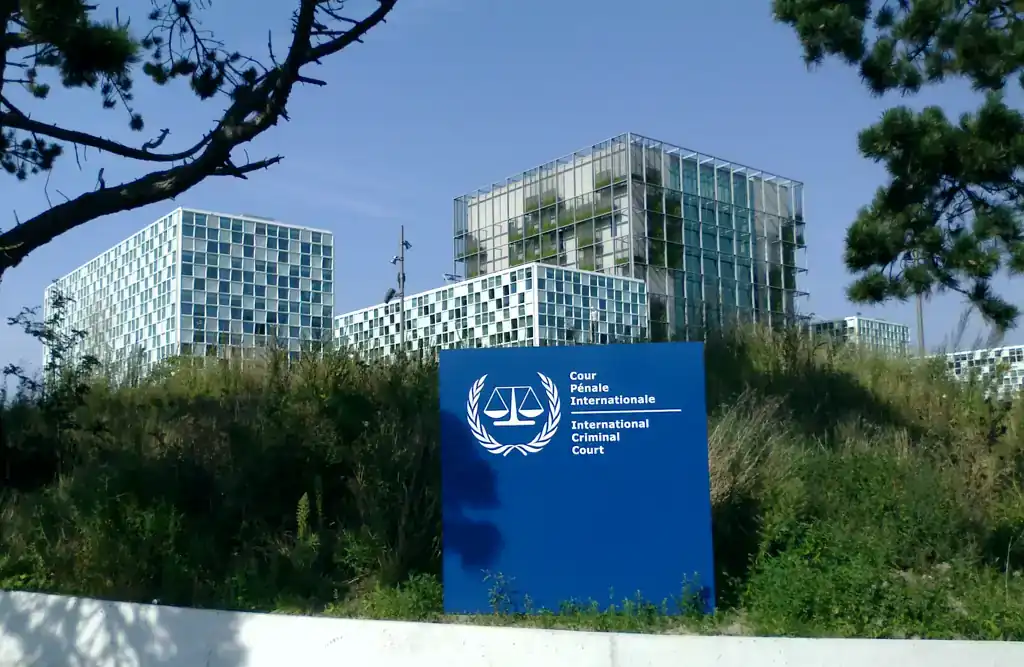
DAKAR, Senegal – Chad has begun the process of withdrawing from the International Criminal Court (ICC), becoming the fourth African country since 2025 to announce plans to leave the Hague-based tribunal amid growing criticism of its effectiveness and impartiality.
The Chadian government submitted a letter to the United Nations on Monday formally initiating its withdrawal from the court, arguing that the ICC has been ineffective and disproportionately focused on African countries. Under the Rome Statute, the treaty establishing the court, the withdrawal process is expected to take at least one year before becoming effective.
The announcement follows similar decisions by Niger, Mali and Burkina Faso, all of which announced plans in 2025 to withdraw from the ICC.

ICC Faces Political and Institutional Challenges
The International Criminal Court, which prosecutes individuals accused of genocide, crimes against humanity, war crimes and the crime of aggression, has faced mounting political and institutional pressure in recent months.
Among the developments cited by The Associated Press was the July 24 removal of Chief Prosecutor Karim Khan over allegations of sexual misconduct.
The court has also faced renewed criticism from the United States. Earlier this month, U.S. Secretary of State Marco Rubio said Washington had launched a campaign to counter what he described as threats the ICC poses to U.S. national sovereignty.
In February 2025, President Donald Trump signed an executive order imposing sanctions on the court over its investigations involving U.S. ally Israel.
United States Welcomes Chad’s Move
Following Chad’s announcement, the U.S. Bureau of African Affairs welcomed the decision and encouraged other member states to reconsider their participation in the Rome Statute.



“The United States welcomes Chad’s decision to withdraw from the ICC and join the growing number of nations reclaiming their sovereignty from this flawed institution,” the bureau said in a post on X.
Massad Boulos, senior adviser for Africa and the Middle East at the U.S. State Department, also praised Chad’s decision on social media. Boulos said that “no diplomatic option will be off limits” in the U.S. campaign against what he described as threats posed by the ICC to Americans.
Regional Trend Raises Questions About the Court’s Future
Chad’s planned withdrawal reflects a broader trend among several African governments that have questioned the court’s effectiveness, impartiality and relationship with the continent.
The ICC currently has 125 member states that are parties to the Rome Statute.
Although Chad has formally begun the withdrawal process, the country will remain a member of the court until the process is completed, which is expected to take at least one year under the treaty’s provisions.
The case adds to ongoing international debate over the role, jurisdiction and future of the International Criminal Court as it continues to face legal, political and diplomatic challenges from both member and non-member states.
This report is based on reporting by The Associated Press.