Journos News - Breaking News, World News, Top Stories, Todays Headlines and Flash Reports
Wednesday, August 12, 2026
  • Login
  • Home
  • World
    • Africa
    • Americas
    • Asia
    • Europe
    • Middle East
    • Oceania
  • Politics
  • Business
  • Technology
  • Health
  • Science
  • Sports
  • Entertainment
  • Culture
No Result
View All Result
  • Home
  • World
    • Africa
    • Americas
    • Asia
    • Europe
    • Middle East
    • Oceania
  • Politics
  • Business
  • Technology
  • Health
  • Science
  • Sports
  • Entertainment
  • Culture
No Result
View All Result
Journos News - Breaking News, World News, Top Stories, Todays Headlines and Flash Reports
No Result
View All Result
Home World News Americas

Solar-Powered Tricycles Keep Cuba Moving as Fuel Shortages and Blackouts Persist

Electric three-wheelers are reshaping daily transport as the island grapples with a prolonged energy and economic crisis.

The Daily Desk by The Daily Desk
July 11, 2026
in Americas, World News
0
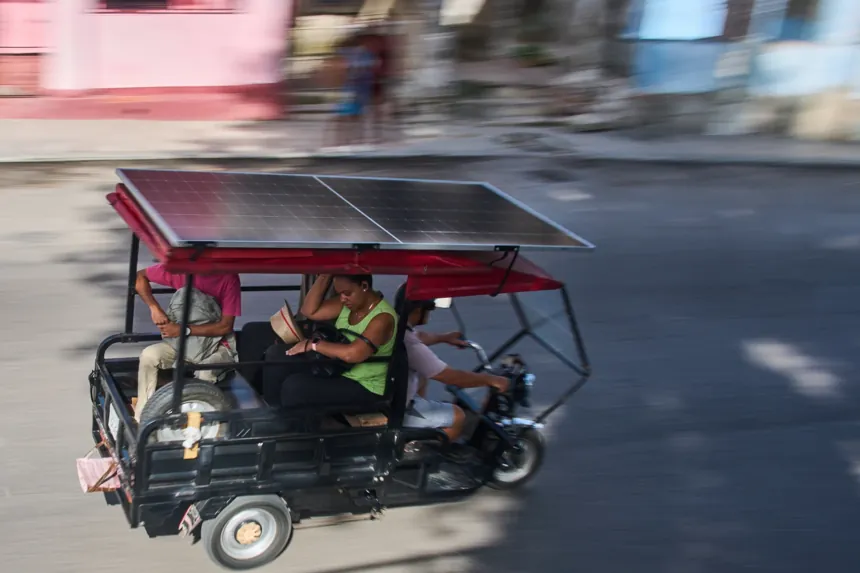
Solar-powered electric tricycles travel through the streets of Havana, Cuba. - AP Photo/Ramon Espinosa

Electric tricycles have become an essential form of transportation across Cuba. - AP Photo/Ramon Espinosa

HAVANA, Cuba – Solar-powered electric tricycles have become an increasingly vital mode of transportation in Cuba, helping residents cope with chronic fuel shortages and frequent power outages as the island endures a prolonged economic crisis.

The three-wheel vehicles, many manufactured in China and later modified with rooftop solar panels, are replacing gasoline-powered cars and filling gaps left by a sharply reduced public transportation system. For many Cubans, they have become an essential means of moving people and goods despite the country’s strained electricity grid.

Alternative transport emerges amid fuel crisis

Cuba’s familiar vintage automobiles have become less common on the streets as access to fuel has deteriorated.

Electric tricycles, typically costing between $2,000 and $4,000, are now widely used to transport passengers, deliver goods and operate along routes once served by buses. In some Havana neighborhoods, they also collect household waste.

Many owners have sold older gasoline-powered vehicles to finance the purchase of the tricycles. Others received them from relatives living abroad, where prices are generally lower, while some entrepreneurs invested in them using income from their businesses.

The shift has accelerated amid tighter fuel supplies. In January, U.S. President Donald Trump threatened tariffs on countries exporting oil to Cuba, which produces only about 40% of the fuel it consumes. Since then, only one oil tanker has arrived on the island—reaching Cuba in late March—compared with roughly eight shipments per month previously.

Daily life affected by energy shortages

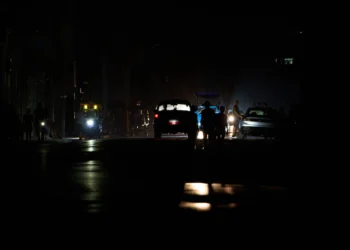
Reduced fuel imports have intensified Cuba’s long-running energy crisis, leading to more frequent rolling blackouts and further disrupting daily life.

Food and medicine shortages have deepened, while public transportation services have been significantly reduced, increasing reliance on privately operated electric vehicles.

■ Related News
Darkened streets in Cuba following a nationwide power outage. - AP Photo/Ramon Espinosa

Cuba Suffers Second Nationwide Blackout in a Week as Power Grid Crisis Deepens

July 11, 2026
Darkened streets in Havana after a nationwide power outage in Cuba. - AP Photo/Ramon Espinosa

Cuba Suffers Nationwide Blackout as Fuel Shortages and Aging Power Grid Deepen Crisis

July 8, 2026
Medical staff work inside a Cuban hospital amid healthcare shortages. - AP Photo/Ramon Espinosa

Cuba’s Healthcare System Faces Deepening Strain as Energy Shortages Disrupt Medical Care

July 3, 2026
Ramiro Valdés during his years as a Cuban revolutionary leader - AP Photo/Ramon Espinosa, File

Cuban Revolutionary Leader Ramiro Valdés Dies at 94

June 22, 2026

For many residents, the tricycles provide one of the few available transportation options.

“This is how people get around now,” said Liecer de la Cruz, a 40-year-old tricycle owner.

Berta Ferrer, a 52-year-old store clerk in central Havana, said she regularly uses the vehicles to travel to work.

“If you can pay for it, you just take it; otherwise you can’t go anywhere,” Ferrer said.

She pays about 500 Cuban pesos—less than one U.S. dollar—for each trip, a considerable expense in a country where average monthly salaries are about $10 for state employees and around $40 in the private sector.

Solar panels reduce reliance on the power grid

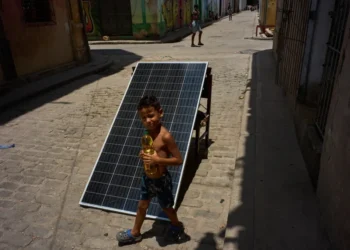
Many owners have added solar panels to the roofs of their tricycles, allowing batteries to recharge while parked or in operation and reducing dependence on Cuba’s overstretched electrical system.

Electric tricycles from Chinese manufacturers including Zonsen and Jinpeng have become common across the island. Many are purchased in countries such as Panama before being shipped to Cuba by relatives or importers for resale. Others are assembled domestically under an agreement with China using the Vedca brand.

Carlos Álvarez, a 29-year-old engineer who operates an electric vehicle workshop in Havana, said demand for solar conversions has grown rapidly.

While installing a solar panel system costs about $500, he said owners can recover the investment relatively quickly by avoiding fuel expenses and maintaining operations during power outages.

“There are so many tricycles in Havana that you can’t spend 10 minutes on a street without seeing countless numbers of them pass by,” Álvarez said.

Long-term shift in Cuba’s transportation

Beyond serving as a response to current shortages, many Cubans believe the electric tricycles will remain a permanent feature of the country’s transportation network.

Engineer Ricardo Quintero uses his vehicle to transport produce for the family vegetable business and expects the technology to remain relevant even after current fuel shortages ease.

“I think this is here to stay,” Quintero said.

As Cuba continues to confront energy shortages and economic challenges, solar-powered electric tricycles have become both a practical adaptation to immediate hardships and an example of how residents are finding alternative ways to maintain mobility despite limited resources.

This report is based on reporting by The Associated Press.

Article Topics: Cuba | Electric Tricycles | Solar Energy | Fuel Shortages | Blackouts | Transportation | China | Economy

Tags: #CleanEnergy#Cuba#ElectricVehicles#EnergyCrisis#SolarEnergy#Sustainability
The Daily Desk

The Daily Desk

The Daily Desk is a contributor at JournosNews.com covering politics, media, governance, and the evolving dynamics of public discourse. Stories published under this byline are produced in accordance with JournosNews' editorial standards, with an emphasis on verified reporting, accuracy, context, and impartiality.

Related Posts

Gas station price boards showing falling fuel prices - AP Photo/Nam Y. Huh

US Gas Prices Fall Below $4 as Oil Markets Ease After Iran Peace Deal

June 19, 2026
Cuba advances economic reforms amid international pressure - AP Photo/Ramon Espinosa

Cuba’s Communist Party Backs Emergency Economic Reforms Amid Growing External Pressure

June 19, 2026
Hospital staff treating patients amid shortages in Cuba - AP Photo/Ramon Espinosa

US Energy Restrictions Deepen Healthcare Strain in Cuba, State Media Reports

June 16, 2026
Negotiators discuss tentative US Iran ceasefire deal - AP Photo/Vahid Salemi

US and Iran Reach Tentative Agreement to Restore Hormuz Access and Extend Ceasefire

June 15, 2026
Load More
Next Post
Darkened streets in Cuba following a nationwide power outage. - AP Photo/Ramon Espinosa

Cuba Suffers Second Nationwide Blackout in a Week as Power Grid Crisis Deepens

Malian soldiers during military operations in northern Mali. - AP Photo/Boubacary Bocoum, File

Mali Says It Breaks Rebel Blockade Around Strategic Northern Army Base

JournosNews logo

Journos News delivers globally neutral, fact-based journalism that meets international media standards — clear, credible, and made for a connected world.

  • Categories
  • World News
  • Politics
  • Business & Markets
  • Technology
  • Health
  • Science
  • Sports
  • Arts & Culture
  • Resources
  • Editorial Standards
  • Submit a Story
  • Advertise with Us
  • Syndication & Partnerships
  • Site Map
  • Press & Media Kit
  • Editorial Team
  • Careers

Join thousands of readers receiving the latest updates, tips, and exclusive insights straight to their inbox. Never miss an important story again.

  • About Us
  • Editorial & Trust Center
  • Contact Us
  • Privacy Policy
  • Terms of Use & Copyright Notice

© JournosNews.com All rights reserved.

Welcome Back!

Login to your account below

Forgotten Password?

Retrieve your password

Please enter your username or email address to reset your password.

Log In
JournosNews

Independent Journalism.
Verified Facts.

You're about to read a professionally edited article from JournosNews.com.

Every article is produced in accordance with our editorial standards, emphasizing factual accuracy, transparent attribution, fairness, editorial independence, and meaningful context.

Editorial Standards
No Result
View All Result
  • Home
  • World
    • Africa
    • Americas
    • Asia
    • Europe
    • Middle East
    • Oceania
  • Politics
  • Business
  • Technology
  • Health
  • Science
  • Sports
  • Entertainment
  • Culture

© JournosNews.com All rights reserved.

This website uses cookies. By continuing to use this website you are giving consent to cookies being used. Visit our Privacy and Cookie Policy.