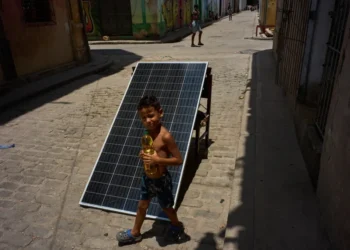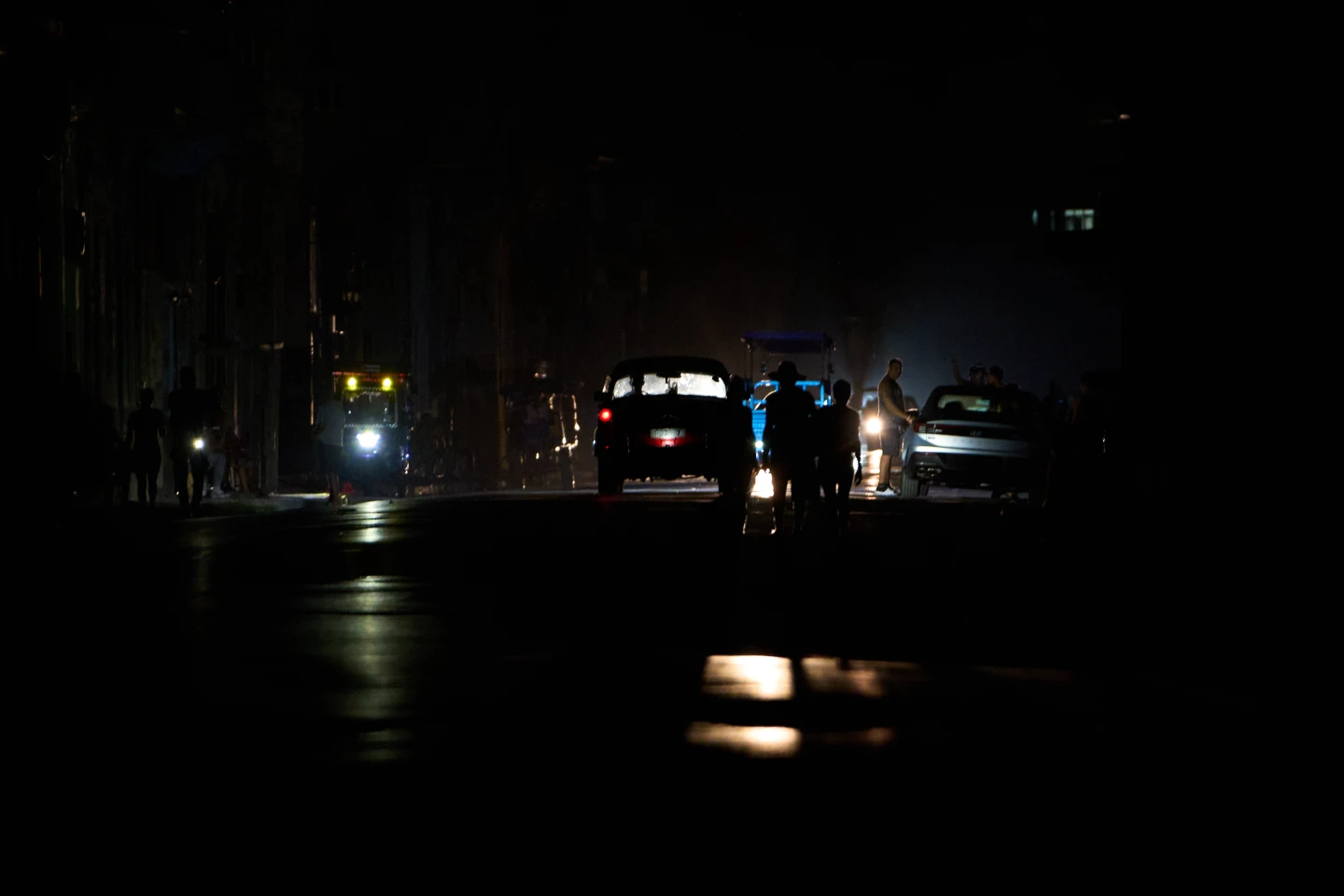
Cuba, Havana – Experienced its second nationwide blackout in less than a week on Friday, underscoring the worsening condition of the country’s electricity system as aging infrastructure and fuel shortages continue to disrupt daily life across the island.
The outage affected the Caribbean nation of nearly 10 million people, with Cuba’s Electric Union confirming the nationwide power failure on X. Although widespread blackouts have become increasingly common, two islandwide collapses within the same week are unusual and reflect the growing strain on the country’s electrical network.
Authorities said electricity restoration efforts began shortly after the outage, with power gradually returning to some areas.

Grid failure triggers nationwide outage
Cuban officials attributed the blackout to what they described as a “fluctuation in the parameters” following a failure on a transmission line linking the provinces of Santa Clara and Sancti Spíritus.
The country’s electricity system has become increasingly vulnerable because of decades-old infrastructure and persistent fuel shortages. Some of Cuba’s power plants have been operating for more than 30 years and have suffered from limited maintenance.
Prime Minister Manuel Marrero described the week as particularly challenging, citing repeated disruptions to the National Electric System, limited fuel supplies for electricity generation and multiple generating units remaining out of service.
“It has been another very difficult week under the impact of the energy blockade: two disconnections of the National Electric System (SEN), almost no fuel to power the plants, and several units out of service,” Marrero wrote on social media.
Fourth major blackout of the year
Friday’s outage followed another nationwide blackout on Monday that also affected nearly the entire population. Authorities had spent much of the week gradually restoring electricity from that earlier collapse before the latest disruption occurred.
■ Related News


The latest incident marks Cuba’s fourth major electricity system failure this year.
A nationwide blackout struck the island in mid-March, while another large-scale outage in mid-May affected Cuba’s eastern provinces, highlighting the recurring instability of the country’s power network.
Fuel shortages intensify economic pressures
Cuba’s electricity crisis has unfolded alongside an extended shortage of fuel supplies that has affected transportation, healthcare and other essential services.
Fuel availability has declined since January, when U.S. President Donald Trump threatened tariffs on countries that sell or supply oil to Cuba. The Cuban government says the resulting reduction in fuel imports has compounded the country’s broader economic and financial difficulties.
Cuba produces only about 40% of the fuel it requires. A shipment of approximately 730,000 barrels of oil delivered by a Russian tanker in late March was exhausted by the end of April, leaving authorities increasingly dependent on electricity rationing.
To conserve limited generating capacity, the government has imposed scheduled power cuts that in some communities have lasted for more than 24 consecutive hours.
The fuel shortages have also sharply reduced public transportation services and led authorities to cancel tens of thousands of surgical procedures as the country continues to grapple with its prolonged energy crisis.
This report is based on reporting by The Associated Press.
Article Topics: Cuba | Nationwide Blackout | Energy Crisis | Electricity Grid | Fuel Shortages | Infrastructure | Caribbean | Power Outage