BATABANO, Cuba – Cuba’s public healthcare system, once regarded as a cornerstone of the country’s social services, is facing mounting challenges as energy shortages and supply disruptions affect hospitals and patient care across the island, The Associated Press reported. Medical facilities are struggling with shortages of essential supplies, malfunctioning equipment and staffing losses, leaving many patients unable to receive timely treatment.
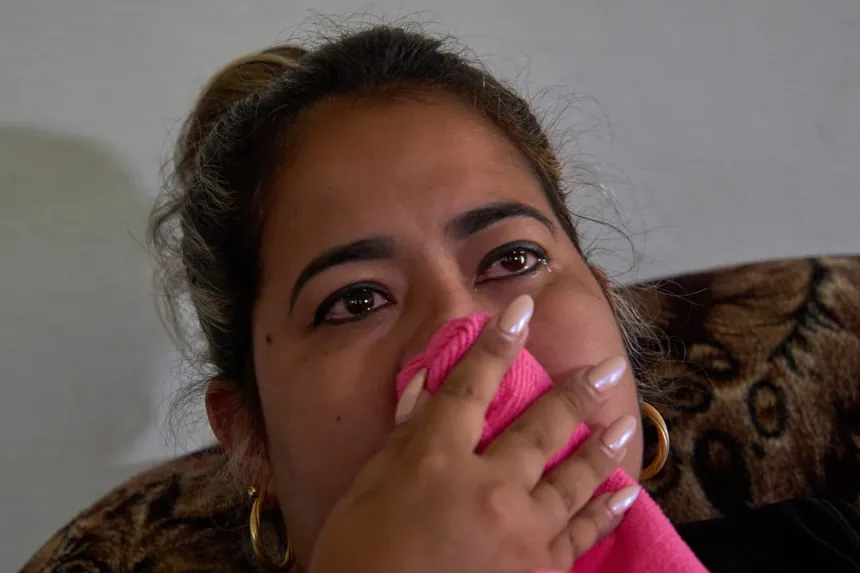
Among those affected is 34-year-old Irisleydis Tristá, a resident of Batabanó, about 70 kilometers (43 miles) south of Havana. After undergoing two surgeries and several rounds of radiation therapy for a tumor, she told the AP she has spent the past seven months waiting for a CT scan because the scanner at Havana’s Hermanos Ameijeiras Hospital is out of service.
Tristá said doctors informed her they currently lack the resources needed to perform another operation, leaving uncertainty over whether her cancer has progressed.

Hospitals Face Equipment and Supply Shortages
According to the AP, hospitals across Cuba have reported shortages of medical supplies including syringes, gauze, vaccines and anesthetics. Healthcare facilities have also struggled to obtain replacement parts needed to repair critical equipment such as CT scanners and hemodialysis machines.
The report noted that shortages of food have further complicated care for some patients who require specialized diets during treatment.
Cuba has also experienced the departure of significant numbers of medical specialists and technicians, adding further pressure to the healthcare system.
Energy Crisis Adds Pressure
Analysts cited by the AP said the healthcare challenges have been intensified by fuel shortages linked to tighter U.S. sanctions affecting Cuba’s energy sector, worsening economic conditions that had already deteriorated following the COVID-19 pandemic.
The report said the Trump administration has called on Cuba’s socialist government to implement major economic reforms and governance changes in exchange for easing sanctions.
■ Related News
According to the AP, Cuba’s situation worsened after U.S. authorities captured then-Venezuelan President Nicolás Maduro in January, reducing support from one of Cuba’s principal allies. The report added that Washington later warned countries against supplying fuel to Cuba and increased pressure on foreign businesses to limit commercial ties with the island.
The resulting fuel shortages have contributed to prolonged electricity outages, gasoline rationing and declines in industrial and food production, according to the report.
International Health Officials Raise Concerns
Mario Cruz Peñate, the Pan American Health Organization (PAHO) and World Health Organization (WHO) representative in Cuba, told the AP that fuel shortages have caused significant disruptions throughout the healthcare system.
He said the shortages have affected not only medical services but also transportation, logistics and the continuity of patient care.
Cruz Peñate added that PAHO and the WHO have also faced difficulties distributing humanitarian assistance because of transportation challenges. The AP reported that the United Nations launched a $94 million emergency plan in March to address the humanitarian consequences linked to the energy crisis.
Children Among the Most Affected
A Cuban government report released in June found that survival rates for children with cancer had declined to 65% from 85% before the energy restrictions began in January, according to the AP.
Yolainy Romero, a specialist at Havana’s National Institute of Oncology and Radiobiology, said two children had died this year while describing the situation as severe.
Romero explained that many pediatric patients from distant provinces require treatment every 21 days but are often unable to travel on schedule because of fuel shortages.
Adriana Felipe García, whose four-year-old daughter Nashly Zerquera is receiving cancer treatment, told the AP her family traveled approximately 350 kilometers (217 miles) from Sancti Spíritus to Havana for medical care.
As Cuba continues to confront economic and energy challenges, healthcare providers face ongoing difficulties maintaining essential medical services while patients await treatment under increasingly strained conditions.
Tags: Cuba, Healthcare, Energy Crisis, Hospitals, Havana, Medical Supplies, Public Health, PAHO, World Health Organization, Humanitarian Crisis, United States, Americas