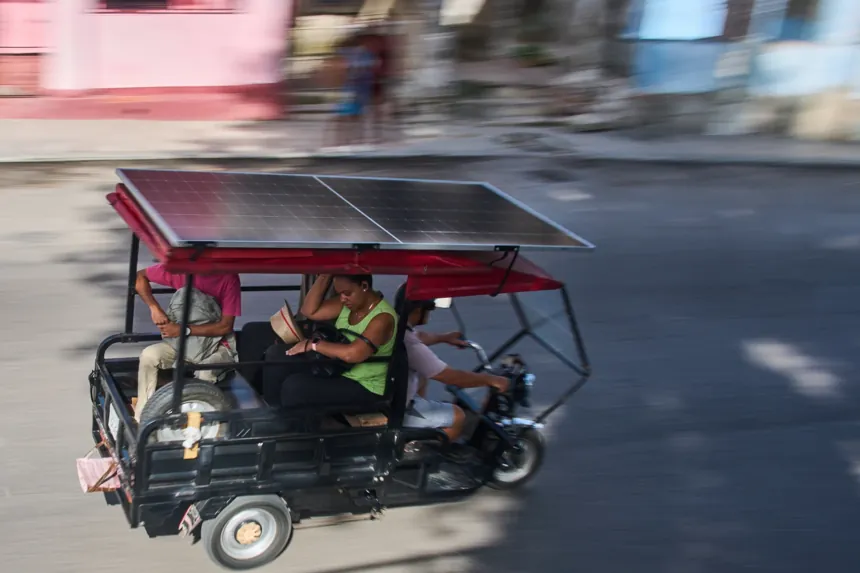
HAVANA, Cuba – Solar-powered electric tricycles have become an increasingly vital mode of transportation in Cuba, helping residents cope with chronic fuel shortages and frequent power outages as the island endures a prolonged economic crisis.
The three-wheel vehicles, many manufactured in China and later modified with rooftop solar panels, are replacing gasoline-powered cars and filling gaps left by a sharply reduced public transportation system. For many Cubans, they have become an essential means of moving people and goods despite the country’s strained electricity grid.
Alternative transport emerges amid fuel crisis
Cuba’s familiar vintage automobiles have become less common on the streets as access to fuel has deteriorated.

Electric tricycles, typically costing between $2,000 and $4,000, are now widely used to transport passengers, deliver goods and operate along routes once served by buses. In some Havana neighborhoods, they also collect household waste.
Many owners have sold older gasoline-powered vehicles to finance the purchase of the tricycles. Others received them from relatives living abroad, where prices are generally lower, while some entrepreneurs invested in them using income from their businesses.
The shift has accelerated amid tighter fuel supplies. In January, U.S. President Donald Trump threatened tariffs on countries exporting oil to Cuba, which produces only about 40% of the fuel it consumes. Since then, only one oil tanker has arrived on the island—reaching Cuba in late March—compared with roughly eight shipments per month previously.
Daily life affected by energy shortages
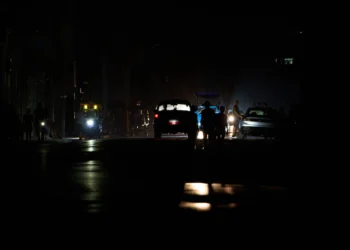
Reduced fuel imports have intensified Cuba’s long-running energy crisis, leading to more frequent rolling blackouts and further disrupting daily life.
Food and medicine shortages have deepened, while public transportation services have been significantly reduced, increasing reliance on privately operated electric vehicles.
■ Related News


For many residents, the tricycles provide one of the few available transportation options.
“This is how people get around now,” said Liecer de la Cruz, a 40-year-old tricycle owner.
Berta Ferrer, a 52-year-old store clerk in central Havana, said she regularly uses the vehicles to travel to work.
“If you can pay for it, you just take it; otherwise you can’t go anywhere,” Ferrer said.
She pays about 500 Cuban pesos—less than one U.S. dollar—for each trip, a considerable expense in a country where average monthly salaries are about $10 for state employees and around $40 in the private sector.
Solar panels reduce reliance on the power grid
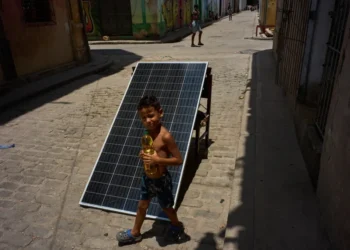
Many owners have added solar panels to the roofs of their tricycles, allowing batteries to recharge while parked or in operation and reducing dependence on Cuba’s overstretched electrical system.
Electric tricycles from Chinese manufacturers including Zonsen and Jinpeng have become common across the island. Many are purchased in countries such as Panama before being shipped to Cuba by relatives or importers for resale. Others are assembled domestically under an agreement with China using the Vedca brand.
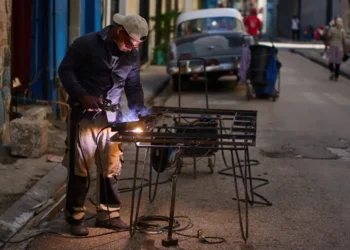
Carlos Álvarez, a 29-year-old engineer who operates an electric vehicle workshop in Havana, said demand for solar conversions has grown rapidly.
While installing a solar panel system costs about $500, he said owners can recover the investment relatively quickly by avoiding fuel expenses and maintaining operations during power outages.
“There are so many tricycles in Havana that you can’t spend 10 minutes on a street without seeing countless numbers of them pass by,” Álvarez said.
Long-term shift in Cuba’s transportation
Beyond serving as a response to current shortages, many Cubans believe the electric tricycles will remain a permanent feature of the country’s transportation network.
Engineer Ricardo Quintero uses his vehicle to transport produce for the family vegetable business and expects the technology to remain relevant even after current fuel shortages ease.
“I think this is here to stay,” Quintero said.
As Cuba continues to confront energy shortages and economic challenges, solar-powered electric tricycles have become both a practical adaptation to immediate hardships and an example of how residents are finding alternative ways to maintain mobility despite limited resources.
This report is based on reporting by The Associated Press.
Article Topics: Cuba | Electric Tricycles | Solar Energy | Fuel Shortages | Blackouts | Transportation | China | Economy