PARIS, France – French President Emmanuel Macron deployed one of France’s most recognizable symbols of national prestige this week as he hosted U.S. President Donald Trump at the Palace of Versailles, using history, architecture and ceremony to reinforce diplomatic ties during a period of trans-Atlantic tensions.
The private reception, dinner and cultural program on Wednesday evening coincided with the conclusion of the Group of Seven summit in France and the lead-up to celebrations marking the 250th anniversary of the United States.
The gathering came as Washington and Paris continue to navigate disagreements on issues including trade, Iran and Ukraine, while seeking to preserve cooperation between two longstanding allies.

Versailles as a Diplomatic Stage
Macron’s decision to host Trump at Versailles reflected a broader strategy of using France’s cultural and historical influence as a diplomatic asset.
Speaking during the summit, Macron described the palace as an important tool of French diplomacy, comparing international relations to a sporting contest in which hosts seek to create favorable conditions while advancing their interests.
The Palace of Versailles, originally developed under King Louis XIV, has long served as a venue for welcoming foreign dignitaries and projecting French influence abroad. French officials have frequently used the site for major diplomatic events, including state visits and international summits.
For Macron, the setting offered an opportunity to maintain direct engagement with Trump at a time when personal relationships continue to play a significant role in international diplomacy.
Personal Relationship Remains Important
Macron and Trump have experienced periods of both cooperation and disagreement since their first meetings during Trump’s initial term in office.



Their relationship gained attention in 2017 during a widely publicized meeting that featured an unusually firm handshake and later included a Bastille Day celebration in Paris attended by Trump.
Subsequent encounters often blended diplomatic discussions with highly symbolic gestures, including formal dinners and ceremonial events.
During this week’s summit, Trump praised Versailles, describing it as authentic and historically significant. He also indicated that the invitation influenced his decision to remain through the conclusion of the G7 gathering.
Macron had previously stated that Trump’s participation until the end of the summit was important for completing negotiations and agreements under discussion among world leaders.
Soft Power Amid Policy Differences
The Versailles event underscored France’s reliance on cultural influence and symbolism as tools of diplomacy.
Analysts cited in discussions surrounding the visit noted that France possesses limited leverage compared with the United States in economic and military terms, making historical prestige and ceremonial diplomacy valuable instruments for maintaining influence.
The palace itself carries particular appeal for Trump, whose interest in architecture, large-scale construction projects and elaborate design has been well documented throughout his public career.
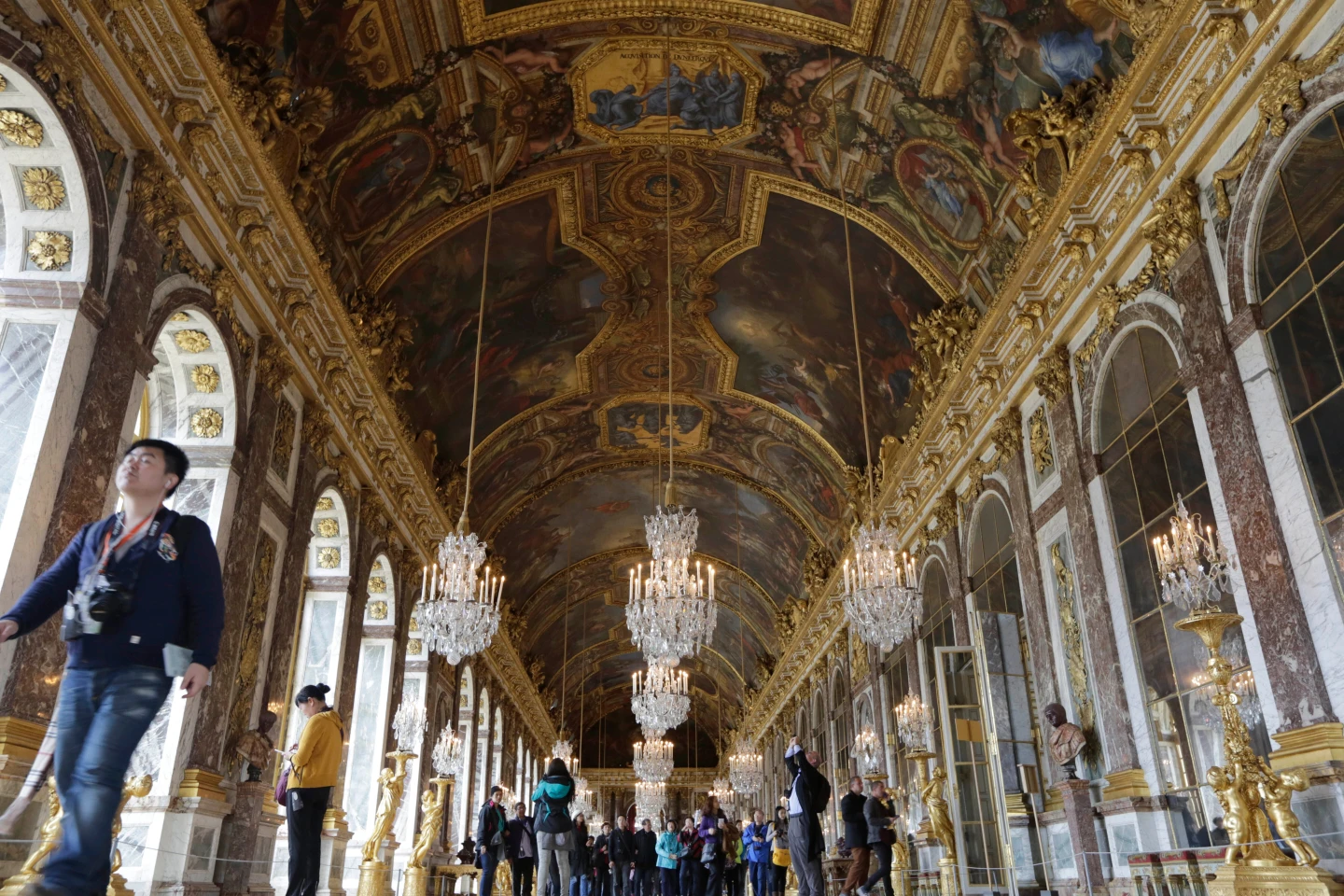
French media reports suggested the evening’s program could include visits to iconic parts of the palace, including the Hall of Mirrors, one of Versailles’ most famous landmarks. Officials did not publicly release the complete schedule.
Ceremonial Diplomacy Has Limits
Despite the grandeur of such events, history suggests that ceremonial diplomacy does not necessarily resolve substantive policy disagreements.
France and the United States continue to differ on several major issues, including trade policy and aspects of Middle East strategy. Trump has previously threatened tariffs targeting French products, while Paris has at times taken different positions on international security matters.
The dinner also generated criticism from some political figures in France, who questioned the value of investing significant diplomatic effort in cultivating personal ties with Trump.
Even supporters of symbolic diplomacy acknowledge that state dinners, palace receptions and military ceremonies are often more effective at preserving communication channels than securing concrete policy concessions.
Balancing Symbolism and Strategy
For Macron, the Versailles reception represented an effort to blend symbolism with strategic diplomacy.
The French president sought to leverage centuries of national history and one of the world’s most recognizable landmarks to reinforce dialogue with a key ally during a period of international uncertainty.
Whether the event produces tangible diplomatic gains remains unclear. However, by placing discussions within one of France’s most iconic settings, Macron aimed to ensure that personal engagement between the two leaders continues even as disagreements persist on several global issues.
As the G7 summit concluded, Versailles once again served not merely as a historic monument but as an active instrument of modern diplomacy.