HONG KONG – China on Tuesday rejected accusations that its manufacturing sector suffers from excessive industrial capacity, defending its export-driven economy ahead of an expected U.S. decision on whether to impose additional tariffs following an investigation into global manufacturing practices.
Washington is preparing to release the findings of a probe into 16 economies, including China, examining whether manufacturing capacity and production levels distort international trade. The investigation is widely expected to result in higher tariffs on some countries.
Beijing Defends Its Manufacturing Model
China’s Ministry of Commerce outlined its position in a report titled China’s Position on the So-called Excess Capacity Issue, arguing that allegations of industrial overcapacity are unfounded despite growing concerns among several of its major trading partners.

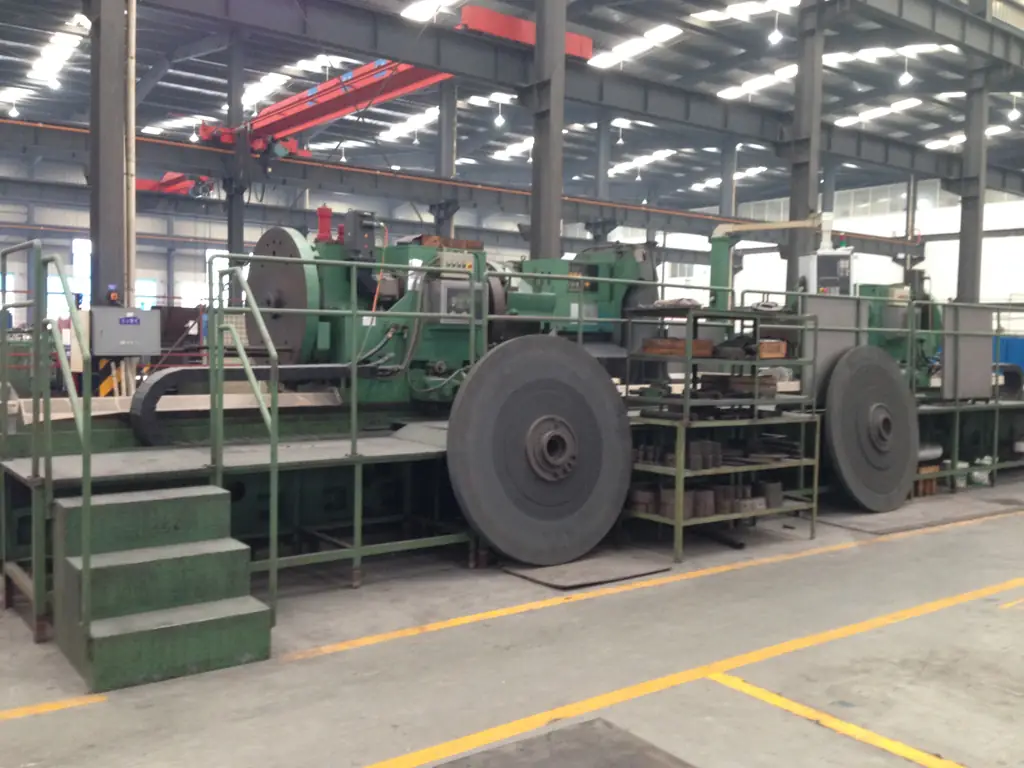
Manufacturing capacity in sectors including automobiles, solar panels, steel and cement has become a central issue in international trade as Chinese exports have expanded in recent years. With domestic demand slowing, many Chinese manufacturers have increasingly relied on overseas markets, helping push China’s trade surplus to a record of nearly $1.2 trillion last year.
The ministry said China has never pursued a large trade surplus as a policy objective and criticized references to a “China Shock 2.0,” a term used by some policymakers and analysts to describe the impact of expanding Chinese exports on global industries.
“The U.S. and other western countries have come up with the so-called ‘China shock 2.0,’ falsely accusing China’s industrial development of posing threats to western countries’ monopoly,” the report said.
“This is not supported by facts and totally untenable,” it added.
Officials Promote “China Opportunity 2.0”
The ministry’s position echoed remarks by Chinese Premier Li Qiang during the World Economic Forum’s Summer Davos meeting in Dalian, where he argued that recent developments should be viewed as a “China Opportunity 2.0” rather than a renewed economic shock.
■ Related News



Speaking at a Commerce Ministry news conference in Beijing on Tuesday, Policy Research Office Director Lin Weilong said the United States does not have the authority to determine unilaterally whether another country’s industrial production constitutes excess capacity.
“The U.S. cannot narrowly define production capacity that exceeds domestic demand as excess capacity, and slap it with a surplus label,” Lin said.
Trade Tensions Continue to Rise
The expected U.S. findings follow another round of trade measures announced Friday, when Washington imposed higher tariffs ranging from 10% to 12.5% on imports from 60 economies, including China, saying those countries had failed to effectively enforce restrictions on goods produced with forced labor.
China was among the governments that protested the tariff increases.
The European Union has also introduced measures aimed at addressing trade imbalances with China, including protections for its steel industry and tighter restrictions on imports of low-value e-commerce parcels.
Analysts Expect Limited Policy Shift
Despite Beijing’s latest defense of its manufacturing model, some analysts believe the report is unlikely to significantly alter trade policy in major Western economies.
Alfredo Montufar-Helu, a China specialist at consultancy Ankura, said China’s arguments are unlikely to change the broader political environment surrounding trade policy.
He said economic conditions in many Western economies have made it politically difficult for governments to avoid responding to rising Chinese imports, particularly in higher-value manufacturing sectors where domestic industries have traditionally maintained strong competitive positions.
The anticipated U.S. decision and the continuing policy responses in Europe underscore the broader tensions surrounding industrial policy, global manufacturing capacity and international trade as governments seek to balance economic competitiveness with domestic industrial priorities.
This report is based on reporting by The Associated Press.