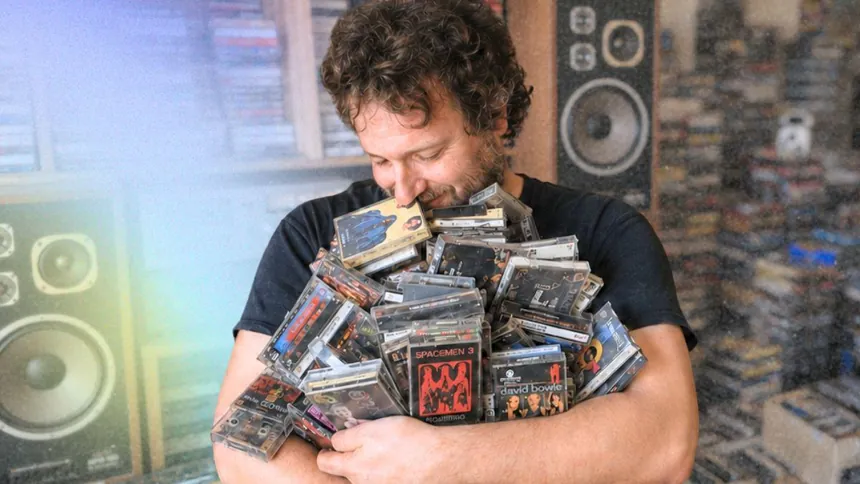
Cassette tapes continue gaining traction in 2026 as a growing number of music fans turn toward physical media despite streaming’s dominance across the global music industry.
A recent report from Headphonesty examined several factors behind the format’s continued resurgence, pointing to a combination of affordability, collector culture, artist merchandising strategies, and renewed interest in physical ownership. According to the publication, UK cassette sales reached 164,000 units in 2025, representing a 53% year-over-year increase, while U.S. sales totaled 446,500 units during the same period.
The figures remain small compared with streaming volumes and vinyl sales, but they highlight how a format once considered obsolete has developed a sustainable niche within the modern music market.

Lower Costs Make Physical Music More Accessible
One of the strongest drivers behind cassette demand is price.
Headphonesty reported that many new cassette releases typically sell between $10 and $20, placing them well below the cost of many new vinyl editions. That pricing allows listeners to purchase physical releases without committing to the higher costs often associated with records and turntable ownership.
The format also fits comfortably within today’s collector-focused music economy. Fans looking for a physical connection to artists can acquire limited-edition releases, alternate artwork variants, and merchandise bundles at a lower entry point than vinyl.
Independent Artists Continue Embracing Tape Releases
Cassette production has also become an increasingly practical option for independent musicians.
According to the report, small tape runs remain significantly cheaper to manufacture than vinyl records, allowing artists to produce physical merchandise without the financial risks associated with large pressing orders. The format has become particularly common on direct-to-fan platforms and at live performances, where physical sales often generate higher revenue than streaming alone.
■ Related News




For smaller labels and DIY artists, cassettes provide a manageable way to release music while maintaining greater control over inventory and production costs.
Two Generations Are Fueling the Revival
The cassette resurgence appears to be attracting both longtime music fans and younger listeners, though often for different reasons.
Older buyers frequently associate the format with personal memories from the 1980s and 1990s, including mixtapes, portable cassette players, and radio recordings. Younger consumers, meanwhile, often encounter cassettes as a novel format distinct from streaming services and touchscreen-based listening habits.
Headphonesty noted that many younger buyers have no direct experience with the cassette era, making the format feel less like nostalgia and more like a new physical experience.
Online discussions across collector communities reflect similar motivations, with users frequently citing ownership, tactile interaction, and reduced dependence on digital platforms as reasons for purchasing physical media.
Major Artists Have Expanded Cassette Visibility
The format’s return has also been reinforced by major-label participation.
Headphonesty highlighted cassette releases from artists including Taylor Swift, Billie Eilish, Lady Gaga, Charli XCX, The Weeknd, and Elton John as evidence that tapes are increasingly integrated into mainstream album campaigns.
Limited-edition cassette variants, alternate packaging, and collectible color designs have become common elements of release strategies aimed at dedicated fan bases. The approach allows labels to expand physical merchandise offerings without requiring vinyl-level production costs.
Physical Ownership Remains Part of the Appeal
Another recurring theme behind cassette demand is ownership.
Unlike streaming libraries, physical releases remain available regardless of licensing disputes, subscription changes, or platform decisions. Headphonesty pointed to several recent examples where music temporarily disappeared from streaming services due to licensing changes, reinforcing concerns among some listeners about long-term access.
Community discussions around physical media frequently reference similar frustrations, with some listeners describing streaming platforms as increasingly cluttered or overly dependent on recommendation systems and algorithms.
The broader trend extends beyond cassettes alone. Coverage across the hi-fi industry continues to show sustained interest in physical music formats, including vinyl and CDs, even as streaming remains the dominant method of consumption.
New Hardware Is Lowering Entry Barriers
For years, access to reliable playback equipment remained one of the format’s biggest obstacles.
That situation has started to change as manufacturers introduce new cassette players aimed at contemporary buyers. Headphonesty highlighted products such as the FiiO CP13 and portable players from We Are Rewind, both designed to combine retro-inspired formats with modern conveniences including rechargeable batteries and updated hardware engineering.
While cassette playback still carries inherent technical limitations compared with modern digital audio formats, the availability of new hardware has made the format easier for first-time buyers to explore without relying entirely on vintage equipment.
As streaming continues to dominate music consumption, cassette tapes remain a comparatively small segment of the market. However, continued sales growth, artist participation, and collector interest suggest the format has established a durable position within today’s physical media landscape rather than functioning solely as a short-term nostalgia trend.