Interest in vintage hi-fi equipment continues to expand as collectors and audio enthusiasts compete for some of the most recognizable stereo components ever produced.
A recent feature published by Headphonesty highlighted a range of vintage receivers, loudspeakers, amplifiers, and preamplifiers that remain among the most sought-after pieces in the secondhand audio market. The selections span products originally released from the 1950s through the late 1970s, many of which continue to command strong collector interest decades after production ended.
The renewed attention reflects a broader trend within the hi-fi sector, where vintage equipment is increasingly valued not only for nostalgia but also for its long-term serviceability, distinctive industrial design, and historical significance within audio engineering.

Classic Receivers Remain a Major Entry Point
Among the receiver models identified as highly desirable were the Marantz 2270, Sansui G Series, Harman Kardon Twin Power receivers, and Pioneer’s SX line.
According to the report, these products continue attracting buyers because of their combination of build quality, repairability, and recognizable visual styling. Models such as the Marantz 2270 and Pioneer SX-850 became defining examples of 1970s stereo design, featuring aluminum faceplates, illuminated tuning displays, and substantial power output for home listening systems.
The Harman Kardon 430 and 730 were also noted for their dual-power-supply architecture, marketed as the company’s Twin Power design. The configuration gave each audio channel its own power section, a feature that remains a point of interest among collectors and restoration specialists.
Vintage Speaker Icons Continue Holding Value
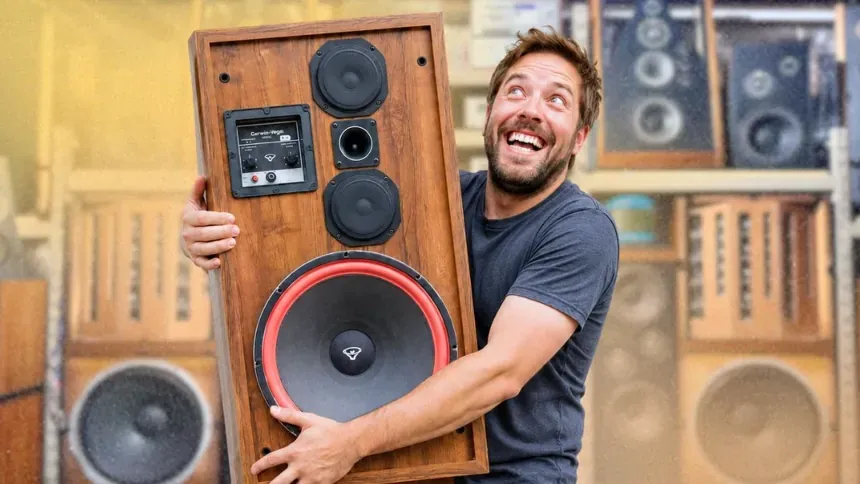
Loudspeakers occupy a significant portion of today’s vintage audio market, with several long-running models maintaining strong recognition among enthusiasts.
The JBL L100 remains one of the most widely recognized examples. Originally introduced during the 1970s, the speaker’s visual identity and enduring popularity eventually led JBL to release the modern L100 Classic, a contemporary product inspired by the original design.
■ Related News



Other speakers highlighted include the Klipsch Heresy, Klipsch Cornwall, Pioneer HPM-100, Quad ESL-57, and large-format systems such as the Klipschorn and Tannoy Westminster. The report noted that demand for these products often extends beyond sound reproduction alone, with cabinet design, historical importance, and rarity contributing to collector interest.
At the highest end of the market, legacy models including the JBL Hartsfield and Altec Lansing 604E continue to be associated with specialist collectors and dedicated listening-room installations.
Tube Electronics Maintain Strong Collector Appeal
Vacuum-tube amplification remains one of the most active segments of the vintage audio market.
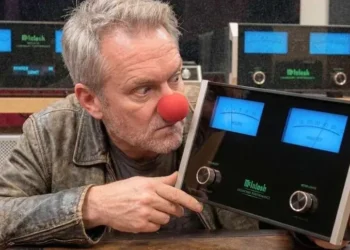
The Marantz Model 7 preamplifier, McIntosh MC275 power amplifier, McIntosh C22 preamplifier, and Dynaco Stereo 70 were all cited among the most sought-after examples. Several of these products continue to influence modern audio design, while some have received official reissues from their original manufacturers.
The McIntosh MC275 is particularly notable because the amplifier remains in production through updated versions decades after its original release. Headphonesty described the model as one of the most recognizable tube amplifiers associated with the American hi-fi industry.
Other products identified in the report included the Audio Research SP-3, Western Electric 300B vacuum tube, Shindo Aurieges preamplifier, and Crown DC-300A solid-state amplifier. Together, the products illustrate the diversity of equipment drawing attention from collectors, ranging from classic tube circuits to early professional-grade transistor amplification.
Vintage Audio Moves Beyond Nostalgia
The continued demand for legacy stereo equipment comes amid broader interest in audio history and long-term hardware ownership.
Industry coverage from Headphonesty has increasingly focused on collector culture, community surveys, and historical equipment analysis, reflecting growing enthusiasm for vintage playback systems among contemporary listeners.
Many of the products highlighted in the report are no longer readily available in original condition, contributing to stronger competition among buyers seeking fully functional or professionally restored units. The publication noted that rarity, serviceability, and historical reputation remain key factors influencing demand.
While prices vary significantly depending on condition and provenance, interest in vintage stereo equipment shows little sign of slowing as collectors continue pursuing components viewed as milestones in hi-fi design and engineering.