iRobot’s Strategic Return to Consumer Robotics Through AI Expansion
iRobot is attempting to reposition itself in the consumer robotics market with a renewed push centered on an AI pet robot, signaling a broader effort to regain household relevance beyond its flagship Roomba vacuum products. The initiative reflects intensifying competition in domestic robotics, where artificial intelligence is increasingly becoming the defining differentiator.
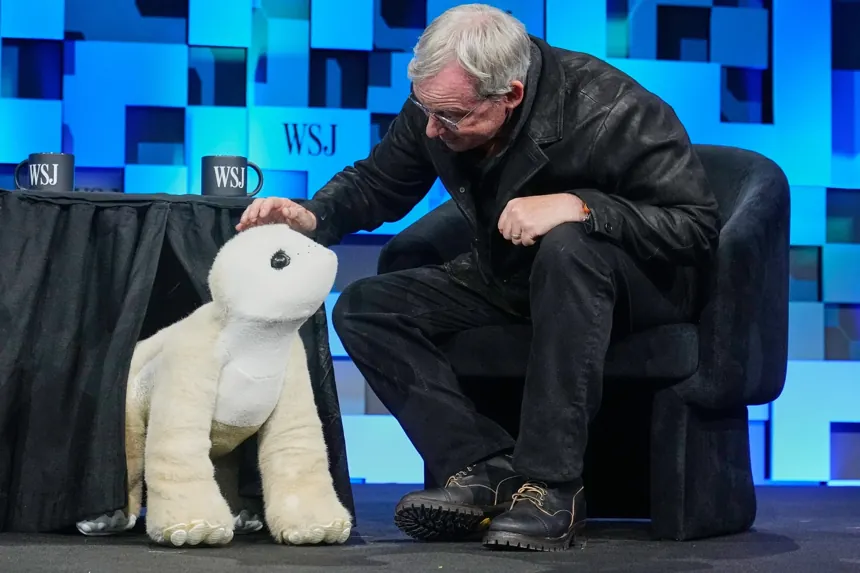
According to reporting by The Associated Press, the company’s latest concept focuses on an AI-powered companion device designed to operate in home environments, blending utility functions with interactive features. While full technical specifications remain limited, the development underscores iRobot’s effort to diversify its product portfolio beyond cleaning automation.
Industry observers note that the move comes as consumer robotics companies face mounting pressure from lower-cost competitors and rapidly advancing AI integration across hardware platforms. The shift suggests iRobot is seeking to reposition itself within a broader ecosystem of smart-home technologies rather than remaining narrowly focused on floor-care devices.

Competitive Pressure Mounts in Household Robotics Market
The household robotics sector has become increasingly crowded, with manufacturers integrating machine learning, voice interaction, and sensor-driven autonomy into consumer devices. This has raised the bar for differentiation, particularly in markets historically dominated by early movers such as iRobot.
Analysts cited in industry coverage by Financial Times Tech Desk have pointed to rising pressure on legacy robotics firms to innovate beyond incremental upgrades. The introduction of an AI pet robot concept reflects a broader industry trend toward emotionally responsive and adaptive home devices.
Within this environment, companies are competing not only on hardware capability but also on software ecosystems, data integration, and long-term service models tied to artificial intelligence deployment.
AI Deployment Expands Beyond Cleaning Automation
iRobot’s strategy signals a shift in how robotics firms are approaching household AI integration, moving from task-specific machines toward multifunctional companion systems. This transition reflects broader industry experimentation with ambient computing and interactive domestic devices.
The AI pet robot concept aligns with a growing wave of consumer-facing robotics products designed to provide engagement, assistance, and environmental awareness. However, commercialization challenges remain, particularly around pricing, reliability, and consumer adoption beyond early technology enthusiasts.




Executives familiar with the sector, as previously noted in Bloomberg Technology analysis, have highlighted that scaling such devices requires balancing emotional design with practical household utility—an area where many prototypes have struggled to achieve mainstream traction.
Market Positioning Under Renewed Scrutiny
iRobot’s renewed focus comes at a time when investor expectations for consumer robotics firms are tightening amid slower-than-expected growth in hardware-driven AI markets. The company’s ability to translate prototype innovation into commercially viable products will likely shape its competitive standing in the coming cycle.
At the same time, the broader robotics industry is increasingly influenced by platform-based competition, where software ecosystems and recurring services are becoming as important as physical device sales. This dynamic places additional pressure on established players to evolve quickly.
As the sector continues to converge around artificial intelligence capabilities, iRobot’s AI pet robot initiative highlights both the opportunity and uncertainty facing legacy hardware companies navigating a rapidly shifting technological landscape.