Last updated: Tuesday, May 5, 2026 | 11:15 UTC
ORIGINAL INTRODUCTION
The Middle East crisis has entered a more volatile phase following reported missile and drone strikes targeting energy infrastructure in the Gulf, alongside heightened military activity in the Strait of Hormuz. The situation has drawn responses from regional governments, global powers, and financial institutions, with concerns centered on security, energy supply, and economic stability.
Multiple governments and organizations have issued statements calling for restraint, while military operations continue in and around key maritime routes. Shipping disruptions and rising oil prices have added a global dimension to the crisis, as markets react to uncertainty over one of the world’s most critical energy corridors.

This live tracker provides a verified, chronological account of developments based on official statements, international media reporting, and institutional briefings.
Major Developments We’re Following
- Reported missile and drone strikes targeting UAE energy infrastructure
- Ongoing U.S. and allied naval escort operations in the Strait of Hormuz
- Continued disruptions to commercial shipping and maritime insurance markets
- Rising global oil prices amid fears of supply constraints
- Expanding international diplomatic responses and condemnations
- Economic warnings from global institutions regarding prolonged instability
What We Know
- Authorities in the United Arab Emirates said air defense systems intercepted incoming missiles and drones targeting strategic sites
- A fire was reported at oil infrastructure in Fujairah following a suspected strike, according to local authorities and media reports
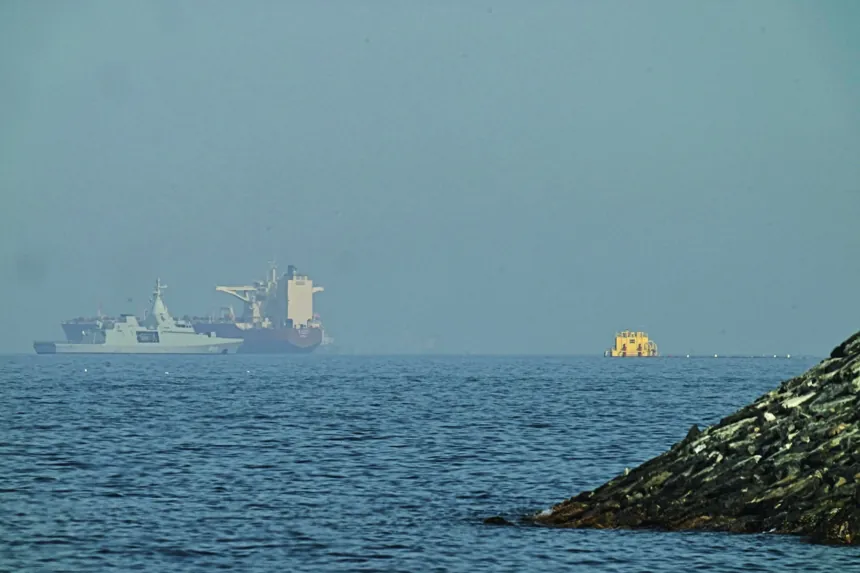
- U.S. military officials said naval forces are escorting commercial vessels through the Strait of Hormuz
- Defense officials said U.S. forces intercepted drones and engaged vessels during maritime incidents in the Gulf
- Oil prices have risen above $110 per barrel amid supply disruption concerns, according to financial market data
- Multiple governments, including the United Kingdom, have condemned reported attacks and called for de-escalation
What We Don’t Know
- The full scale of structural damage to energy facilities in the UAE
- Verified casualty figures across all affected locations
- Whether current hostilities will escalate into sustained regional conflict
- The timeline for normalization of shipping routes in the Strait of Hormuz
LIVE UPDATES (Newest First)
11:10 UTC — IMF Outlines Broader Economic Risks
The International Monetary Fund said the ongoing Middle East crisis could have significant consequences for global economic stability if disruptions persist. IMF Managing Director Kristalina Georgieva said in a statement that extended instability in energy-producing regions could drive inflation higher and slow global growth.
According to Reuters, the IMF warned that sustained increases in oil prices, combined with supply uncertainty, may affect both developed and emerging markets. The institution emphasized that the duration of the crisis would be a key factor in determining economic impact.
10:55 UTC — Oil Markets Maintain Elevated Levels



Energy markets continued to reflect tension in the Gulf, with benchmark crude prices holding near multi-year highs. Market analysts told financial media that concerns over supply disruptions linked to maritime insecurity remain the primary driver of volatility.
According to MarketWatch, traders are closely monitoring developments in the Strait of Hormuz, where a significant portion of global oil shipments passes daily. Any sustained disruption in this corridor is considered a major risk to supply chains.
10:40 UTC — UAE Air Defenses Intercept Incoming Threats
Authorities in the United Arab Emirates said air defense systems were activated in response to incoming missiles and drones. Officials stated that multiple projectiles were intercepted before reaching intended targets.
According to ABC News and regional reporting, some debris fell into surrounding areas, while assessments of potential damage are ongoing. The incidents mark one of the most direct reported threats to Gulf infrastructure in recent months.
10:25 UTC — Fire at Fujairah Oil Facility Under Investigation
Local authorities confirmed that emergency services responded to a fire at oil-related infrastructure in Fujairah. Officials said the blaze followed what was described as a suspected drone strike.
According to local reports cited by international media, several workers sustained injuries and were transported for medical treatment. Authorities said investigations are ongoing to determine the exact cause and extent of the damage.
10:10 UTC — Naval Escort Operations Continue in Hormuz
U.S. defense officials said naval forces are continuing escort missions for commercial vessels navigating the Strait of Hormuz. The operation is intended to reduce risks to shipping amid ongoing security concerns.
According to The Guardian, officials described the situation as “high-risk but controlled,” noting that coordination with allied forces remains ongoing. No timeline has been provided for the end of escort operations.
09:55 UTC — Reports of Maritime Engagements
Military officials said U.S. forces intercepted drones and engaged small vessels in the Gulf during recent encounters. The incidents were described as defensive actions in response to perceived threats.
According to regional reporting, the claims have not been independently verified. No official confirmation has been issued by Iranian authorities regarding the reported engagements.
09:40 UTC — Diplomatic Responses Expand
Governments across Europe and the Middle East issued statements addressing the escalation. The United Kingdom condemned the reported strikes and called for restraint and renewed diplomatic engagement.
According to Reuters, officials emphasized the importance of protecting civilian infrastructure and maintaining stability in global energy markets.
09:25 UTC — Shipping Disruptions Continue
Maritime authorities said commercial shipping traffic remains significantly disrupted in the Strait of Hormuz. Hundreds of vessels have reportedly altered routes or delayed transit due to security concerns.
According to The Guardian, industry analysts noted that insurance premiums for shipping in the region have increased sharply, reflecting heightened risk levels.
09:10 UTC — Iran Issues Warning on Regional Waters
Iranian officials warned foreign military forces against unauthorized presence in regional waters. The statement, reported by international media, emphasized sovereignty concerns and regional security.
The warning comes amid increased naval activity and ongoing escort operations. The claims and warnings could not be independently verified.
08:55 UTC — Regional Markets Show Mixed Signals
Financial markets in Gulf countries showed mixed performance as investors reacted cautiously to developments. Analysts said uncertainty surrounding the Middle East crisis continues to influence investor sentiment.
According to Reuters, some markets posted modest gains on hopes of diplomatic progress, while others reflected concerns about prolonged instability.
Background
The Strait of Hormuz is one of the world’s most strategically significant maritime routes, with a substantial share of global oil shipments passing through the corridor. Any disruption in this area has immediate implications for global energy markets and economic stability.
Recent tensions have involved reported exchanges between Iranian forces and U.S.-aligned operations, alongside incidents affecting Gulf infrastructure. The situation remains fluid, with ongoing military, economic, and diplomatic dimensions.