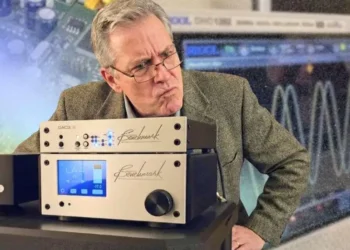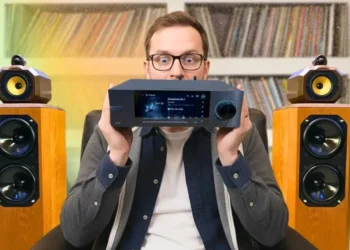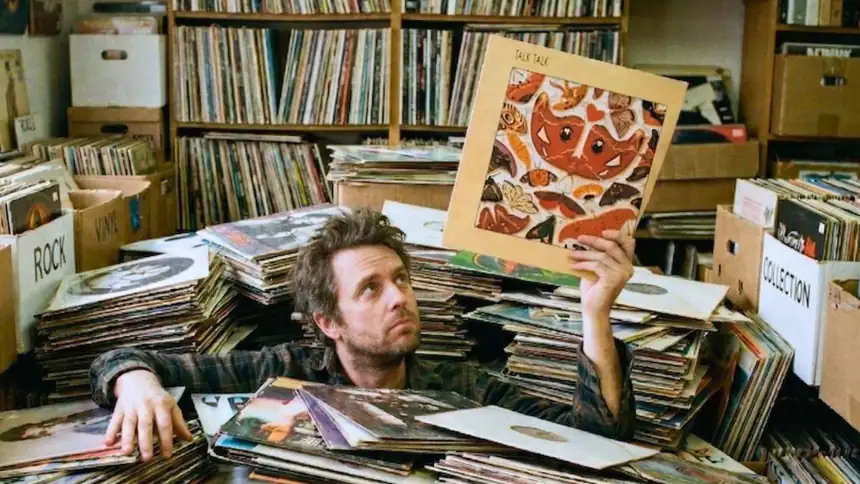
A growing number of audiophiles are turning to overlooked albums as alternatives to traditional demo tracks, according to a recent report by Headphonesty. The shift reflects changing listening habits among enthusiasts seeking more varied and musically engaging material to evaluate audio systems.
The report compiles community-driven recommendations, focusing on recordings that combine strong production quality with musical depth—offering both technical clarity and long-form listening value.
Listening Beyond Standard Demo Tracks
For decades, audiophile demonstrations have relied on a relatively fixed set of reference tracks—often selected for their dynamic range, stereo imaging, and tonal balance. While these recordings remain useful, repeated use has led to listener fatigue among experienced users.

Headphonesty reports that many enthusiasts are now exploring full-length albums that maintain consistent production quality across multiple tracks. This approach allows listeners to assess system performance over extended sessions rather than isolated excerpts.
Production Quality and Recording Standards
The albums highlighted in the report span genres including jazz, classical, electronic, and alternative rock. Common characteristics include high-resolution recording techniques, careful microphone placement, and minimal dynamic compression.
From a technical perspective, many of these recordings are available in lossless formats such as FLAC (Free Lossless Audio Codec) or high-resolution PCM, typically exceeding CD-quality standards of 16-bit/44.1 kHz. Some releases also support formats like Dolby Atmos or SACD, offering expanded spatial audio presentation.
Engineers cited in audiophile discussions often emphasize that well-mastered recordings—rather than genre—are the most reliable tools for system evaluation. This aligns with broader industry practices in mastering and studio production.
Format Compatibility and Playback Systems
The report notes that accessibility remains a key factor in adoption. Most of the recommended albums are available on major streaming platforms offering lossless tiers, as well as through digital download stores and physical media.
■ Related News

Playback compatibility varies depending on format. High-resolution files require DACs (digital-to-analog converters) capable of handling increased bit depth and sample rates, while formats like SACD require dedicated hardware. Dolby Atmos playback, meanwhile, depends on compatible streaming services and speaker configurations.
This diversity reflects the fragmented nature of the current audio ecosystem, where listeners balance convenience with fidelity.
Community Influence and Listening Trends
The rise of community-curated recommendations points to a broader trend within the audio industry: listeners are placing greater value on discovery and musical engagement alongside technical performance.
Rather than relying solely on standardized test tracks, users are incorporating albums that challenge systems across a wider range of frequencies, dynamics, and spatial cues. This approach aligns more closely with real-world listening conditions.
Industry observers note that this shift may also influence how audio manufacturers demonstrate equipment, potentially moving toward more varied and musically representative material.
Industry Context
The growing interest in alternative demo material coincides with the expansion of high-resolution streaming services and increased availability of studio-quality recordings. As platforms continue to promote lossless and immersive formats, listeners have broader access to content suitable for critical listening.
While traditional demo tracks remain relevant, the adoption of full albums reflects a gradual shift toward more holistic evaluation methods—bridging technical analysis with everyday listening experiences.