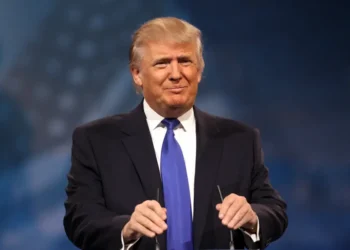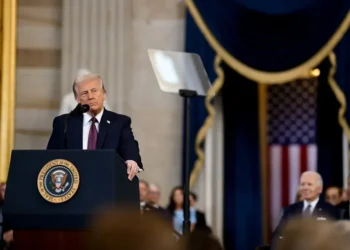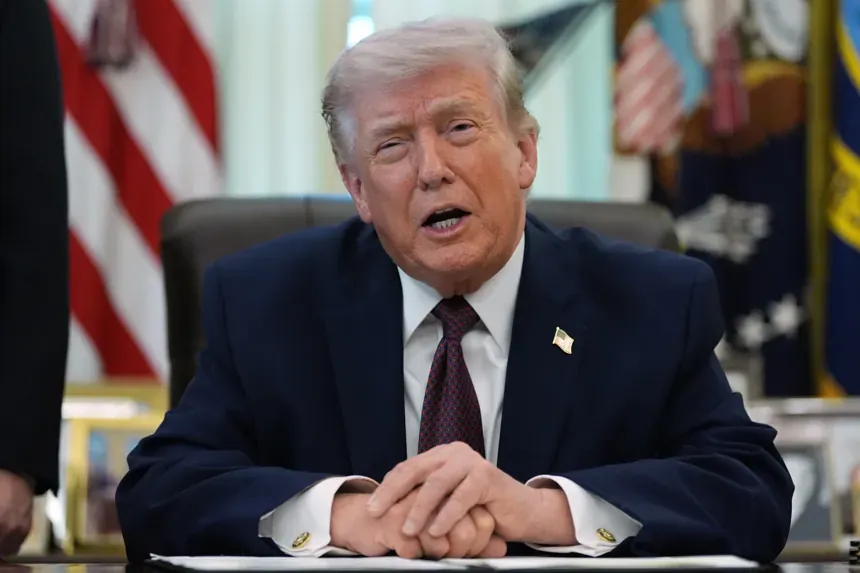
President Donald Trump’s latest demands that European allies help stabilize the fallout from the Iran war have opened a new phase of the crisis: not military escalation alone, but widening diplomatic fallout inside the Western alliance system. What began as a U.S.-Israeli campaign against Iran is now evolving into a test of NATO cohesion, Gulf security burden-sharing, and Europe’s ability to shape an exit strategy before economic shockwaves deepen.
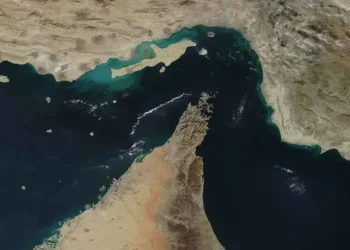
According to reporting by The Associated Press, Trump’s frustration has centered on Britain and France after both resisted direct operational support and limited military transit access, even as the Strait of Hormuz remains partially disrupted. The administration’s sharper tone suggests Washington is repositioning responsibility for post-conflict stabilization onto energy-dependent allies rather than sustaining a prolonged U.S. naval commitment.
The significance now lies less in the original strikes and more in what follows: whether Europe can prevent the conflict from spilling into a longer maritime, economic, and diplomatic crisis.

Alliance Friction Moves Into the Open
The most immediate consequence of Trump’s rhetoric is not symbolic irritation but strategic uncertainty inside NATO. By publicly insisting that securing Hormuz is “not for us,” the White House has signaled that alliance expectations are being rewritten in real time.
Senior administration figures, including Defense Secretary Pete Hegseth and Secretary of State Marco Rubio, have reinforced that position by arguing that U.S. forces have already carried the primary military burden. Their coordinated messaging points to a broader policy shift: Washington may be preparing to link future alliance commitments to direct burden-sharing in Middle East contingencies.
That raises a deeper institutional question for Europe — whether NATO remains a framework for collective strategic response, or increasingly a platform for selective U.S. participation tied to immediate national cost-benefit calculations.
Maritime Pressure Becomes Europe’s Immediate Test
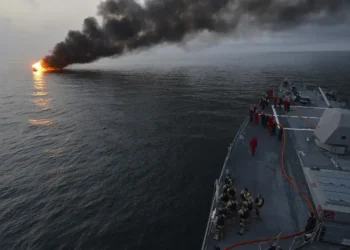
With Iranian pressure on the Strait of Hormuz constraining global oil flows, Europe’s exposure is now acute. For major importers and Gulf-linked economies, the issue is no longer abstract solidarity with Washington but immediate supply chain vulnerability, jet fuel access, and tanker insurance risk.
This is where the crisis directly intersects with European strategic interests. A maritime stabilization mission tied to a ceasefire or limited naval escort framework would allow European governments to protect trade flows without formally entering the war itself.
■ Related News




That distinction matters politically. European capitals have remained careful to frame their involvement as economic security management rather than participation in Trump’s campaign. The diplomatic language is deliberate: preserve deterrence, avoid ownership.
Diplomatic Off-Ramps Gain Strategic Value
As first reported by Reuters, senior U.S. officials now say the “finish line” of the war may be visible, with indirect communication channels reportedly active between Washington and Tehran.
That evolving diplomatic space gives Europe its strongest leverage point yet.
Rather than match Washington’s public pressure, European governments are likely to intensify behind-the-scenes efforts around three linked goals: ceasefire sequencing, Hormuz shipping guarantees, and a face-saving political outcome Trump can present domestically as victory.
This is where the diplomatic fallout angle becomes decisive. The alliance strain itself may now be the mechanism that accelerates de-escalation, as European capitals seek to prevent anti-NATO rhetoric from hardening into a longer-term restructuring of transatlantic defense trust.
Regional Spillover Risk Expands Beyond the Gulf
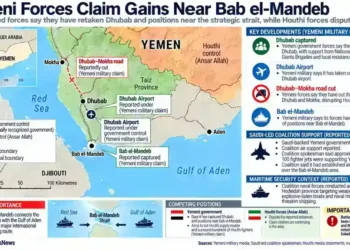
The wider regional risk remains that the war’s consequences spread into secondary theaters before diplomacy solidifies. Houthi missile activity near the Red Sea and the possibility of broader shipping disruption create a second maritime front with direct implications for Europe-bound trade.
That means Europe’s role is no longer confined to alliance management. It now sits at the intersection of Gulf deterrence, Red Sea commerce, refugee risk, and energy stabilization.
The strategic danger is cumulative rather than sudden: every additional week of fractured coordination increases the chance that the diplomatic split becomes harder to reverse than the military confrontation itself.
Conclusion: The War’s Political Damage May Outlast the Fighting
The battlefield phase may be nearing an off-ramp, but the deeper challenge is now political repair.
Trump’s demand that Europe manage the consequences of a war launched without prior allied consensus has transformed the conflict into a referendum on Western strategic trust. Even if military operations wind down within weeks, the diplomatic aftershocks inside NATO, the Gulf, and European energy policy may endure far longer.
For Europe, the immediate objective is clear: convert alliance friction into leverage for de-escalation before maritime insecurity and political distrust harden into the conflict’s most lasting legacy.