Primary International Angle: Regional instability
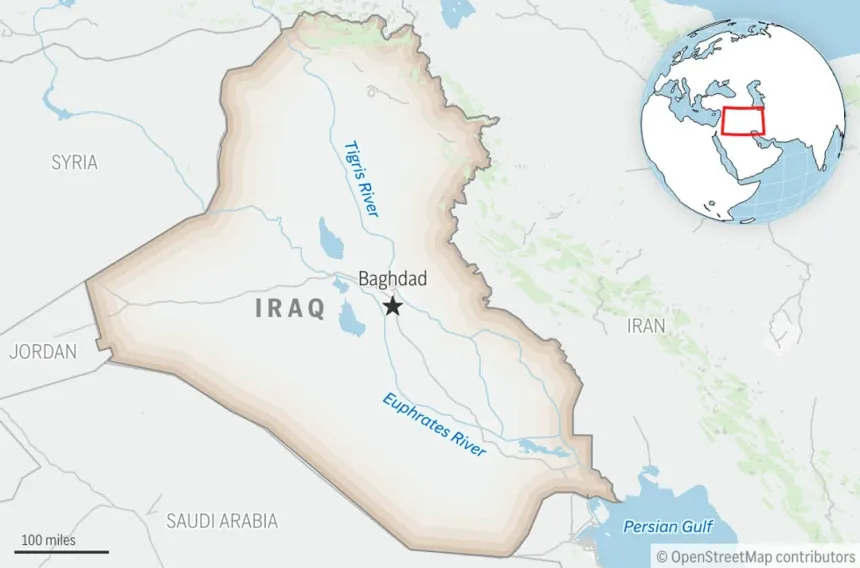
An American freelance journalist was abducted in central Baghdad on Tuesday, triggering an intensive Iraqi security operation and renewing international concern over militia-linked insecurity in Iraq at a time of heightened regional tensions. The kidnapping of veteran Middle East reporter Shelly Kittleson carries implications beyond Iraq’s domestic security environment, raising fresh questions about the safety of foreign nationals, press freedom, and the reach of Iran-aligned armed groups inside the country.
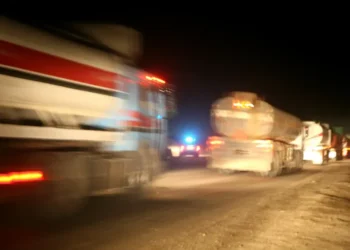
The incident unfolded on Saadoun Street in the Iraqi capital, where armed men reportedly forced Kittleson into a vehicle before transferring her to a second car during a pursuit by Iraqi forces. One of the suspected getaway vehicles overturned near Al-Haswa in Babil province, leading to the arrest of one suspect, while other alleged abductors escaped with the journalist still missing.
The case immediately drew international attention because it comes during a period of rising militia activity in Iraq linked to the wider confrontation involving Iran and U.S. interests in the region. For foreign governments, media organizations, and diplomatic missions operating in Iraq, the abduction underscores the fragility of Baghdad’s efforts to project stability and reassure international partners.

Regional Stability Tested
Iraqi authorities confirmed the kidnapping of a foreign journalist and said a field operation was launched using checkpoint alerts and intelligence-led pursuit measures. While officials in Baghdad have not formally named the group behind the abduction, U.S. officials have pointed to the Iran-backed militia Kataib Hezbollah as the likely actor, deepening the geopolitical sensitivity of the case.
That attribution matters internationally because militia actions in Iraq are increasingly viewed through the prism of wider U.S.-Iran regional competition. Any confirmed role by Kataib Hezbollah would likely intensify diplomatic engagement between Washington and Baghdad, particularly around guarantees for the protection of foreign citizens and journalists.
The episode also risks complicating Iraq’s balancing act between preserving strategic ties with the United States and managing the influence of armed factions aligned with Tehran. Analysts across foreign policy circles have long viewed such incidents as tests of Baghdad’s ability to enforce sovereign control over security actors.
Diplomatic Pressure Builds
The U.S. State Department said it was tracking the reports closely, reiterating that the safety of Americans abroad remains a top priority. According to U.S. officials cited in multiple reports, Kittleson had received repeated security warnings urging her to leave Iraq because of credible threats against her.
That disclosure is likely to sharpen scrutiny of Iraq’s risk environment for international media and diplomatic personnel. For Washington, the kidnapping may become part of a broader conversation on the deteriorating security picture surrounding U.S.-linked individuals in Iraq since the escalation of conflict involving Iranian proxies in the region.
■ Related News
Professional media organizations have also responded swiftly. Al-Monitor, one of the outlets Kittleson contributed to, publicly called for her immediate release and stressed the importance of her reporting from Iraq and Syria, placing the case within the broader global issue of journalist safety in conflict-prone states.
Strategic Stakes Rise
The abduction revives memories of previous foreign kidnappings in Iraq, most notably the disappearance of researcher Elizabeth Tsurkov in 2023, a case later also linked by the victim to Kataib Hezbollah. That precedent raises the risk that the current case could evolve into a longer diplomatic standoff with wider regional ramifications.
For Iraq, the international stakes are significant. The country has sought to present itself as a stabilizing regional actor capable of hosting diplomacy and attracting foreign engagement. A high-profile kidnapping of a U.S. journalist threatens that image and may reinforce external perceptions that armed non-state actors retain operational freedom near the capital.
The outcome of the ongoing search operation will likely shape not only bilateral U.S.-Iraq discussions but also broader assessments by foreign correspondents, humanitarian agencies, and international investors weighing security exposure in the country.