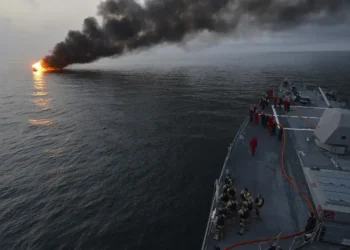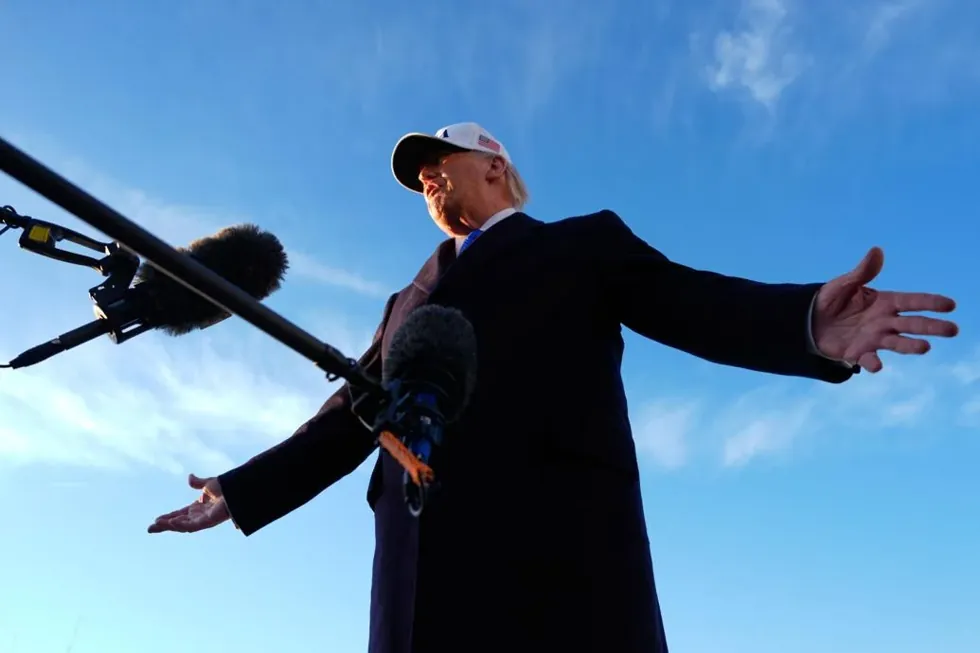
The unfolding conflict between the United States and Iran has rapidly evolved from a military confrontation into a complex political and economic challenge. Beyond the battlefield, the war is affecting domestic political dynamics in the United States, disrupting global energy markets, and forcing allies and rivals to reassess their strategic positions. The longer the conflict continues, the more its consequences extend across elections, diplomacy, and the global economy.
The US Iran war politics debate has intensified as the conflict enters a prolonged phase. What began as a military campaign aimed at weakening Iran’s strategic capabilities has quickly expanded into a broader geopolitical and domestic political issue. Political leaders, economic institutions, and international partners are now grappling with the ripple effects of the conflict.
Wars involving major powers often reshape political calculations at home. Military operations can alter public opinion, influence election cycles, and test the cohesion of governing coalitions. In the United States, the war has placed renewed scrutiny on presidential decision-making, congressional oversight, and the broader foreign policy consensus.

At the same time, the conflict is unfolding in one of the world’s most strategically important regions for energy supply. The Persian Gulf, particularly the Strait of Hormuz, remains a vital corridor for global oil shipments. Disruptions in that region have historically produced immediate economic consequences far beyond the Middle East.
Historical Context of U.S.–Iran Tensions
Understanding the current confrontation requires examining decades of strained relations between Washington and Tehran. Diplomatic ties between the two countries were severed following Iran’s 1979 Islamic Revolution and the subsequent hostage crisis at the U.S. Embassy in Tehran.
Since then, relations have been defined by cycles of confrontation, sanctions, and occasional diplomatic engagement. Iran’s nuclear program, regional influence, and support for allied militias have repeatedly triggered tensions with the United States and its partners.
According to reporting by Reuters and the Associated Press over the years, successive U.S. administrations have attempted different strategies to contain Iran’s influence. These approaches have included economic sanctions, diplomatic negotiations, and military deterrence.
The latest conflict represents a significant escalation compared with previous confrontations. Direct military strikes between the United States, Israel, and Iranian targets mark a departure from the proxy conflicts that often characterized earlier tensions.
■ Related News


Why Energy Markets React So Quickly
One of the most immediate global consequences of the conflict involves oil prices. Energy markets are highly sensitive to instability in the Persian Gulf because of the region’s central role in global supply.
Roughly one-fifth of the world’s traded oil passes through the Strait of Hormuz, according to widely cited data from international energy analysts and the U.S. Energy Information Administration. Even the threat of disruption can trigger sharp increases in global oil prices.
When shipping routes appear vulnerable, traders anticipate supply shortages and adjust prices accordingly. The result can be rapid price spikes that affect fuel costs worldwide.
Higher oil prices typically feed into broader inflation. Transportation, manufacturing, and food supply chains all depend heavily on energy costs. Economists cited by the Financial Times have repeatedly noted that sustained oil price increases tend to ripple through consumer prices within months.
Domestic Political Pressure in the United States
Military conflicts often create unpredictable political consequences at home. While some wars initially produce public support for national leadership, prolonged fighting or economic strain can reverse those effects.
In the current conflict, the political impact has been closely linked to economic concerns. Rising fuel costs and financial market volatility have heightened public attention on the war’s domestic consequences.
Political analysts cited by Reuters note that economic conditions frequently shape voter attitudes during midterm elections. If energy prices remain elevated, the conflict could influence broader perceptions of economic management.
The debate also reflects divisions within both major political parties. Some policymakers emphasize the strategic importance of confronting Iran’s regional influence, while others question whether military escalation aligns with campaign promises to avoid extended foreign conflicts.
Political strategists interviewed by major news outlets have observed that foreign policy debates can intersect with broader domestic concerns, including inflation and national security.
The Strategic Importance of the Strait of Hormuz
The Strait of Hormuz occupies a narrow passage between Iran and the Arabian Peninsula. Despite its relatively small geographic size, it functions as one of the most critical chokepoints in global trade.
Oil tankers carrying shipments from major producers such as Saudi Arabia, Iraq, Kuwait, and the United Arab Emirates must pass through this corridor to reach global markets.
Because of this strategic role, any disruption—whether from military confrontation or security threats—can quickly affect worldwide supply.
According to analysis from energy researchers frequently cited by Bloomberg and Reuters, even temporary shipping delays can produce immediate price reactions. Insurance costs for tankers also rise sharply during periods of heightened military risk.
For decades, international naval patrols have helped maintain freedom of navigation in the area. However, maintaining that security often requires multinational cooperation.
International Alliances and Diplomatic Calculations
Conflicts involving major energy routes rarely remain confined to the countries directly involved. Allies and trading partners often become engaged because their economic interests are affected.
Countries in Europe and Asia rely heavily on oil transported through the Persian Gulf. For this reason, governments in those regions typically monitor the security of shipping routes closely.
Diplomatic coordination can involve joint naval patrols, intelligence sharing, and political negotiations aimed at preventing further escalation. In previous periods of tension in the Gulf, multinational naval missions were established to protect commercial shipping.
However, coalition responses can vary depending on domestic politics and diplomatic priorities. Governments may support maritime security while remaining cautious about deeper military involvement.
International organizations such as the United Nations often become forums for diplomatic discussions during such crises, though their ability to shape outcomes depends largely on the positions of major powers.
Economic Effects Beyond Oil Prices
While energy costs often dominate headlines, the broader economic consequences of conflict can extend much further. Financial markets tend to react quickly to geopolitical uncertainty.
Investors typically move toward assets perceived as safe during periods of instability, which can trigger volatility in stock markets and currency values. According to financial analysts cited by Bloomberg, geopolitical crises can lead to shifts in investment patterns and supply chain decisions.
Shipping disruptions can also affect global trade flows. Higher insurance costs, longer shipping routes, or delays at strategic chokepoints may increase the cost of transporting goods.
For developing economies that rely heavily on energy imports, sustained price increases can place additional strain on government budgets. International financial institutions such as the World Bank and the International Monetary Fund have previously warned that energy shocks can slow economic growth worldwide.
Domestic Political Narratives and Public Opinion
Political leaders often attempt to shape public narratives during wartime. Messaging typically focuses on national security objectives, military progress, or economic stabilization efforts.
However, public opinion can shift if the conflict appears prolonged or costly. Historical examples—from Vietnam to Iraq—demonstrate how extended wars can alter political support over time.
Media coverage also plays an important role in shaping public understanding. Reporting by outlets such as the Associated Press and BBC News frequently highlights both military developments and domestic political reactions.
As a result, the political conversation surrounding a war rarely remains limited to strategic objectives. It often becomes intertwined with broader debates about economic stability, governance, and leadership.
Why Conflicts Like This Often Become Prolonged
Modern geopolitical conflicts rarely end quickly. Military operations may achieve immediate tactical goals while leaving underlying political disputes unresolved.
In the case of U.S.–Iran tensions, the broader issues include regional influence, security alliances, nuclear policy, and economic sanctions. Each of these factors involves multiple actors and competing interests.
Diplomatic negotiations, when they occur, often take months or years to produce lasting agreements. Even then, implementation can be fragile.
Analysts cited by the Financial Times and Reuters have noted that conflicts rooted in long-standing geopolitical rivalries tend to evolve into extended standoffs rather than quick resolutions.
Conclusion
The conflict between the United States and Iran has moved beyond a strictly military confrontation to become a multifaceted political and economic issue. Its consequences now extend across domestic politics, international alliances, and global energy markets. Rising oil prices, concerns about shipping security, and debates within the United States illustrate how quickly regional conflicts can produce worldwide effects.
What remains uncertain is how long the confrontation will continue and whether diplomatic channels will eventually stabilize the situation. The underlying geopolitical tensions that shaped the conflict have existed for decades, and resolving them requires more than battlefield outcomes. As long as those structural disputes remain unresolved, the political and economic consequences of the war are likely to persist.