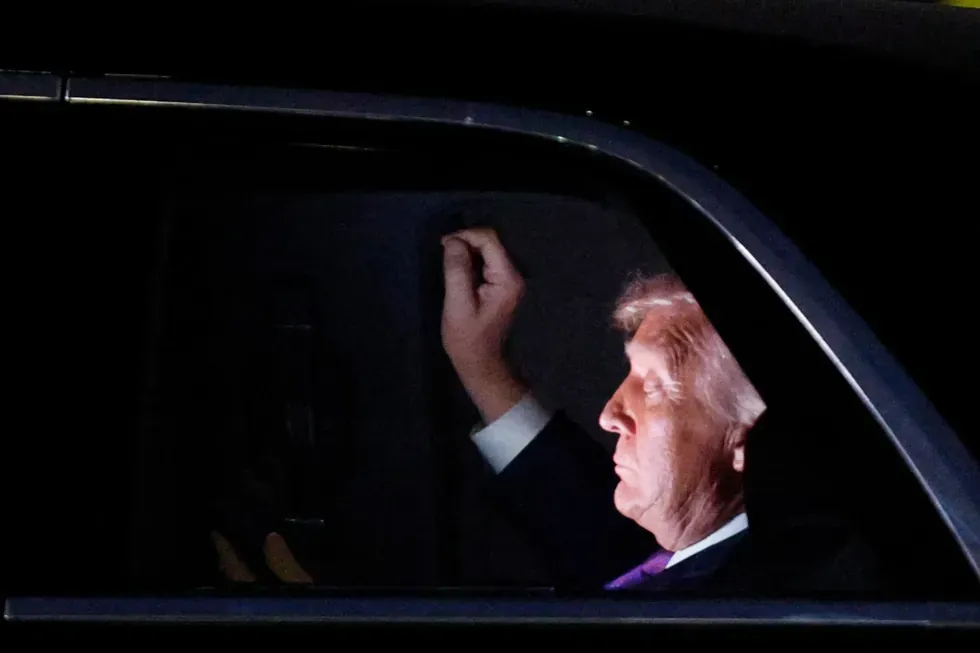
WASHINGTON (Journos News) – A sharp rise in global energy prices linked to the Iran conflict has forced Trump Iran oil policy messaging into a new phase, as Donald Trump pivots from celebrating low gasoline prices to arguing that higher crude prices could benefit the United States economically.
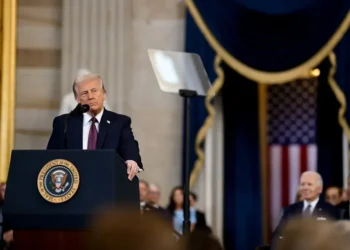
Only weeks earlier, the president had highlighted historically low fuel costs during a major national address. Now, amid disrupted oil shipments and market volatility, his administration is emphasizing the financial upside for domestic energy producers as the U.S. — the world’s largest oil producer — potentially profits from higher global prices.
The shift reflects mounting policy pressure as energy markets react to instability around the Strait of Hormuz, a narrow maritime corridor through which a large share of global oil exports typically flows. Analysts warn the disruption could complicate domestic economic conditions while intensifying geopolitical tensions.

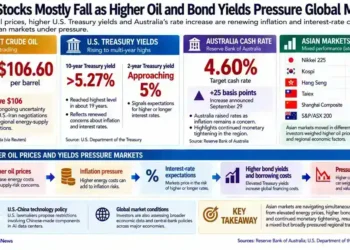
According to data cited by the American Automobile Association, the average U.S. gasoline price climbed from roughly $2.30 per gallon last month to about $3.60 — an increase of more than 50 percent since the conflict escalated.
Trump Iran Oil Policy Faces Economic Pressure
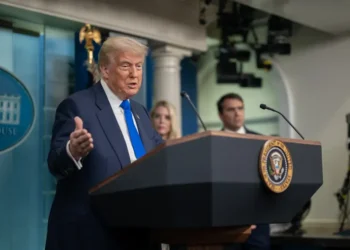
The administration’s messaging pivot illustrates how wartime geopolitical strategy can collide with domestic economic realities. During remarks posted to his social media platform, Trump said rising crude prices could generate significant revenue for the United States given its dominant energy production.
Energy economists say the argument reflects a broader attempt to reframe the economic consequences of the conflict. However, financial analysts warn sustained energy price increases could ripple through the broader economy.
Analysts at Goldman Sachs said higher oil prices historically contribute to elevated inflation, slower economic growth, and rising unemployment if sustained for several months.
Disruptions Around Strait of Hormuz Intensify Market Volatility
Roughly 20 million barrels of oil typically pass through the Strait of Hormuz daily, making it one of the world’s most critical maritime energy routes. Since the escalation with Iran, many commercial tankers have avoided the area due to security concerns.


Global crude markets have responded sharply. Benchmark prices briefly surged to about $100 per barrel as uncertainty about the shipping corridor intensified.
Analysts at Oxford Economics said the absence of a clear timeline for reopening the route could sustain volatility in global oil markets.
“The swings in Brent crude prices are striking,” the consultancy wrote in an analysis cited by multiple outlets, adding that instability could persist until security conditions in the strait improve.
Administration Messaging on Maritime Security Raises Questions
The White House has delivered mixed signals about how quickly oil traffic through the region could resume safely.
At one point, Trump suggested that the presence of the United States Navy would ensure safe passage for commercial shipping. Yet officials later acknowledged the situation remained too unstable for large-scale tanker escorts.
Energy Secretary Chris Wright told CNBC that military resources were currently focused on countering Iranian capabilities rather than reopening shipping lanes.
“It will happen relatively soon,” Wright said of possible escort operations, while noting that conditions were not yet ready for such missions.
Policy Moves Aim to Stabilize Global Oil Supply
Facing pressure from volatile markets, the administration has pursued several emergency measures designed to increase global oil supply.
The U.S. Treasury Department announced a temporary sanctions waiver allowing previously restricted Russian oil shipments to enter global markets. The move affects crude already loaded on tankers at sea, estimated by analysts to total roughly 125 million barrels.
Treasury Secretary Scott Bessent described the waiver as a narrowly targeted measure that would provide short-term market relief without delivering major financial benefits to Russia.
Separately, the administration had earlier permitted India to temporarily purchase Russian crude despite sanctions related to the war in Ukraine.
Strategic Reserve Debate Highlights Policy Reversal
The White House is also weighing domestic emergency measures to manage supply disruptions.
Press Secretary Karoline Leavitt said officials are considering a temporary waiver of the Jones Act, which requires U.S.-flagged vessels for certain domestic shipping. The step could allow foreign ships to transport fuel and essential goods between American ports.
In addition, Trump reversed earlier skepticism about using strategic petroleum reserves, indicating the United States could coordinate with allied nations to release emergency oil supplies to stabilize markets.
Economists say such measures typically slow price increases rather than reverse them.
Joe Brusuelas of RSM noted that coordinated reserve releases may provide short-term relief but are unlikely to fully counter market pressures created by geopolitical conflict.
Political and Economic Stakes Grow Ahead of U.S. Elections
The rapid shift in Trump Iran oil policy rhetoric underscores the political sensitivity of energy prices in the United States, particularly as national elections approach.
Historically, rising fuel costs have influenced voter sentiment and economic confidence. Analysts say prolonged disruptions in Middle Eastern oil flows could therefore carry both domestic political consequences and broader implications for global economic stability.
For now, markets remain focused on whether security conditions in the Strait of Hormuz will improve — a development that could determine whether current energy price shocks prove temporary or become a longer-term economic challenge.