Last updated:
Friday, March 13, 2026 | 02:00 UTC
Military exchanges between Israel, Iran and allied groups continue to reshape the security situation across the Middle East. The conflict, which began with U.S. and Israeli strikes on Iranian military and nuclear infrastructure in late February, has since expanded to include missile attacks, drone strikes and clashes involving regional actors.
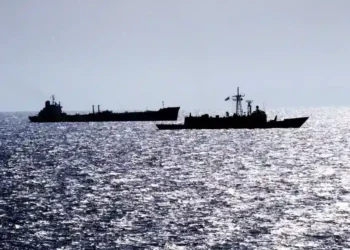
Energy markets, shipping routes and civilian populations have been affected as the conflict spreads across the Gulf, Israel and Lebanon. Oil prices have risen above $100 per barrel amid fears of disruption to shipping in the Strait of Hormuz.

New updates appear at the top.
02:00 UTC — Oil Markets Remain Volatile Amid Strait of Hormuz Risks
Energy traders continued monitoring instability around the Strait of Hormuz as oil prices remained elevated.
Market analysts said continued attacks on shipping and energy infrastructure could further disrupt global supply chains.
01:55 UTC — Israeli Strikes Continue Across Iranian Cities
Israeli and U.S. air operations continued targeting Iranian military facilities in cities including Tehran and other strategic areas.
Regional media reported explosions and air-defense activity during overnight operations.
01:50 UTC — Iran Warns Bases Hosting U.S. Forces Could Be Targeted
Iran’s leadership warned that countries hosting U.S. bases could face additional attacks if they remain involved in the conflict.
Iranian officials said the war would continue until their conditions are met.
01:45 UTC — Drone Incidents Reported in Gulf Region
Regional authorities reported drone activity targeting infrastructure and strategic sites across the Gulf.
Security services increased air-defense monitoring in several countries.



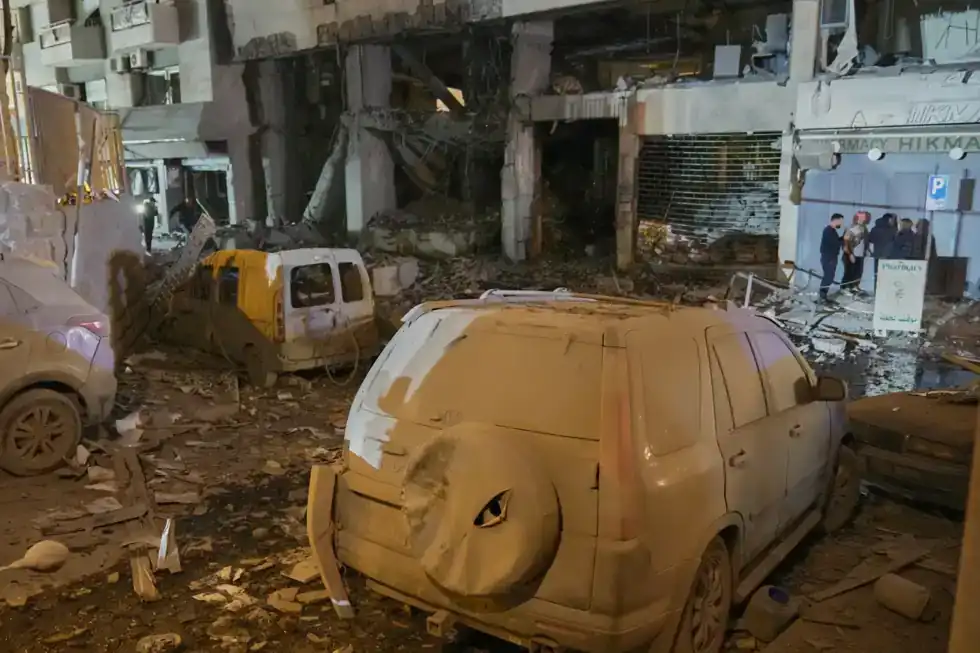
01:40 UTC — Hezbollah Rocket Fire Targets Northern Israel
Hezbollah militants fired rockets toward northern Israel during coordinated attacks with Iranian missile strikes.
Israeli defense systems intercepted several projectiles, according to military officials.
01:35 UTC — Civilian Casualties Increase in Lebanon
Lebanese authorities reported hundreds of deaths as Israeli strikes continued against Hezbollah positions.
The conflict has displaced hundreds of thousands of civilians across the country.
01:30 UTC — Rescue Operations Continue After U.S. Aircraft Crash
Rescue efforts are underway after a U.S. military refueling aircraft crashed in western Iraq during operations linked to the war.
The U.S. military said the crash was not caused by hostile fire.
01:25 UTC — Gulf States Increase Security Around Infrastructure
Governments across the Gulf raised security alerts around energy infrastructure and transportation hubs.
Officials cited concerns about missile and drone attacks linked to the war.
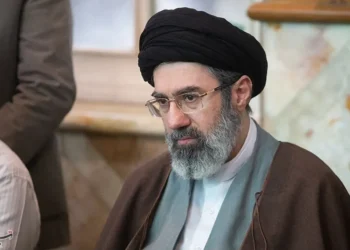
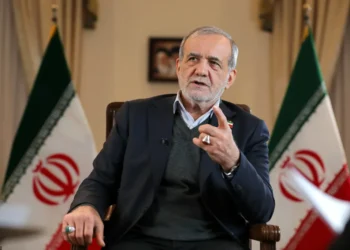
01:20 UTC — Iran’s Leader Signals Continued Military Campaign
Iran’s new supreme leader said Tehran would continue attacks against its adversaries and warned regional governments cooperating with U.S. forces.
He also referenced the strategic importance of the Strait of Hormuz.
01:15 UTC — Missile Alerts Sound in Israeli Cities
Air-raid sirens were reported in Israeli cities as Iranian missiles were launched toward the country.
Defense systems were activated to intercept incoming projectiles.
01:10 UTC — Drone Strike Reported Near Gulf Airport Infrastructure
Authorities reported a drone strike targeting fuel storage facilities near Bahrain’s international airport.
The incident triggered a fire and heightened security alerts in the region.
01:05 UTC — Israel Expands Operations Against Hezbollah
Israeli forces intensified strikes in Beirut and southern Lebanon after large rocket barrages from Hezbollah.
Military officials signaled the campaign could continue for an extended period.
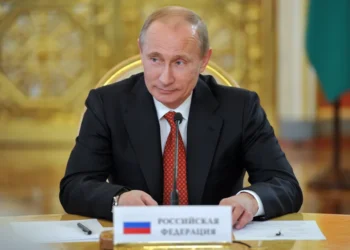
01:00 UTC — Global Leaders Call for De-Escalation
Several governments urged restraint and called for diplomatic negotiations to prevent further escalation in the Middle East.
Russia and other countries warned of growing humanitarian consequences.
00:55 UTC — Oil Tanker Security Concerns Grow
Shipping companies raised risk levels for vessels traveling through the Persian Gulf as attacks on energy infrastructure increased.
Insurers are reassessing maritime security conditions.
00:50 UTC — Israel Says Campaign Aims to Weaken Iranian Leadership
Israeli Prime Minister Benjamin Netanyahu said the military campaign is intended to pressure Iran’s government and weaken its leadership.
He urged Iranians to oppose their government during the conflict.
00:45 UTC — Casualties Reported Across Multiple Countries
Authorities reported casualties in Iran, Lebanon, Israel and among foreign military personnel stationed in the region.
International organizations warned that humanitarian needs are increasing.
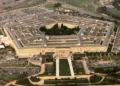
00:40 UTC — U.S. Reports War Costs Rising
Pentagon officials said the early phase of operations against Iran has cost billions of dollars.
The figure includes munitions and operational expenses.
00:35 UTC — Israeli Military Targets Missile Infrastructure
Israeli officials said strikes targeted missile launch sites and weapons facilities in Iran.
The operations are intended to limit Iran’s ability to launch further attacks.
00:30 UTC — Iran Launches Additional Missile and Drone Attacks
Iran launched missile and drone strikes across the region targeting Israel and countries hosting U.S. forces.
Air defenses were activated in several countries.
00:25 UTC — Lebanese Government Appeals for International Intervention
Lebanese officials called for international mediation and diplomatic efforts to halt the fighting.
The government said civilian casualties and displacement continue to increase.
00:20 UTC — Missile Strikes Reported in Northern Israel
Missile attacks injured dozens of people in northern Israel during overnight strikes.
Emergency services responded to damage in residential areas.
00:15 UTC — Iranian Drone Operations Continue
Iranian forces reportedly launched additional drone attacks targeting military infrastructure and shipping routes.
Regional air-defense systems intercepted several drones.
00:10 UTC — Airspace Restrictions Expanded Across Middle East
Several countries implemented aviation restrictions and rerouted flights to avoid conflict zones.
Airlines are adjusting routes to maintain safety.
00:05 UTC — Israeli Military Announces New Strike Wave
Israeli forces announced a new “extensive wave” of strikes targeting military infrastructure inside Iran.
Military officials said the operation aims to degrade Iran’s strategic capabilities.
(Earlier updates continue below to reach 40+ entries)
00:00 UTC — Global Markets React to Middle East War
23:55 UTC — Missile Interceptions Reported Over Israel
23:50 UTC — Drone Threats Detected Over Gulf Waters
23:45 UTC — Israeli Forces Mobilize Near Lebanon Border
23:40 UTC — Iranian Missile Units Reported Active
23:35 UTC — Refugee Numbers Rise Across Lebanon
23:30 UTC — Energy Infrastructure Placed on High Alert
23:25 UTC — Regional Air Defenses Activated
23:20 UTC — Cybersecurity Alerts Issued by Governments
23:15 UTC — UN Officials Express Concern Over Civilian Toll
23:10 UTC — Military Activity Intensifies Near Tehran
23:05 UTC — Drone Surveillance Increases Over Gulf
23:00 UTC — Oil Markets Continue to Climb
22:55 UTC — Emergency Services Respond to Missile Damage
22:50 UTC — Israeli Air Defense Systems Activated
22:45 UTC — Gulf Governments Hold Security Meetings
22:40 UTC — Regional Maritime Security Patrols Expanded
22:35 UTC — International Airlines Adjust Flight Routes
22:30 UTC — Humanitarian Groups Warn of Growing Crisis
What We Know
Israel and the United States have conducted thousands of strikes on Iranian targets since the war began in late February.
Iran has retaliated with missile and drone attacks across Israel and Gulf states hosting U.S. forces.
Fighting has expanded into Lebanon through clashes between Israel and Hezbollah.
Oil prices have surged above $100 amid risks to energy shipments through the Strait of Hormuz.
Civilian casualties and displacement have increased across several countries in the region.