Journos News - Breaking News, World News, Top Stories, Todays Headlines and Flash Reports
Wednesday, September 2, 2026
  • Login
  • Home
  • World
    • Africa
    • Americas
    • Asia
    • Europe
    • Middle East
    • Oceania
  • Politics
  • Business
  • Technology
  • Health
  • Science
  • Sports
  • Entertainment
  • Culture
No Result
View All Result
  • Home
  • World
    • Africa
    • Americas
    • Asia
    • Europe
    • Middle East
    • Oceania
  • Politics
  • Business
  • Technology
  • Health
  • Science
  • Sports
  • Entertainment
  • Culture
No Result
View All Result
Journos News - Breaking News, World News, Top Stories, Todays Headlines and Flash Reports
No Result
View All Result
Home World News Middle East

Pakistan–Afghanistan Airstrike Dispute Signals Escalating Risk of Regional Military Confrontation

Civilian casualties and cross-border strikes deepen tensions as diplomatic efforts struggle to contain widening security crisis

The Daily Desk by The Daily Desk
June 20, 2026
in Middle East, World News
0
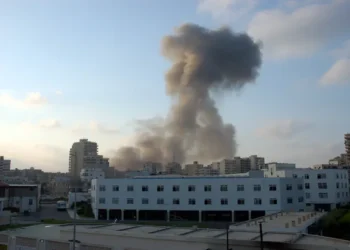
Damage after reported Pakistan airstrikes in Kabul amid Afghanistan Pakistan conflict - AP Photo

Reported cross-border airstrikes intensified tensions between Afghanistan and Pakistan as civilian casualties were reported in Kabul. - AP Photo

A new round of cross-border airstrikes has intensified the fragile security environment between Afghanistan and Pakistan, raising concerns among regional observers that the confrontation between the neighboring states may be entering a more dangerous phase.

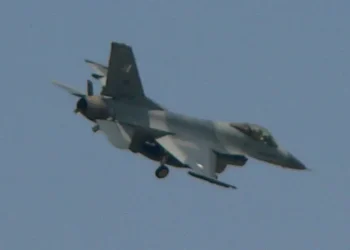
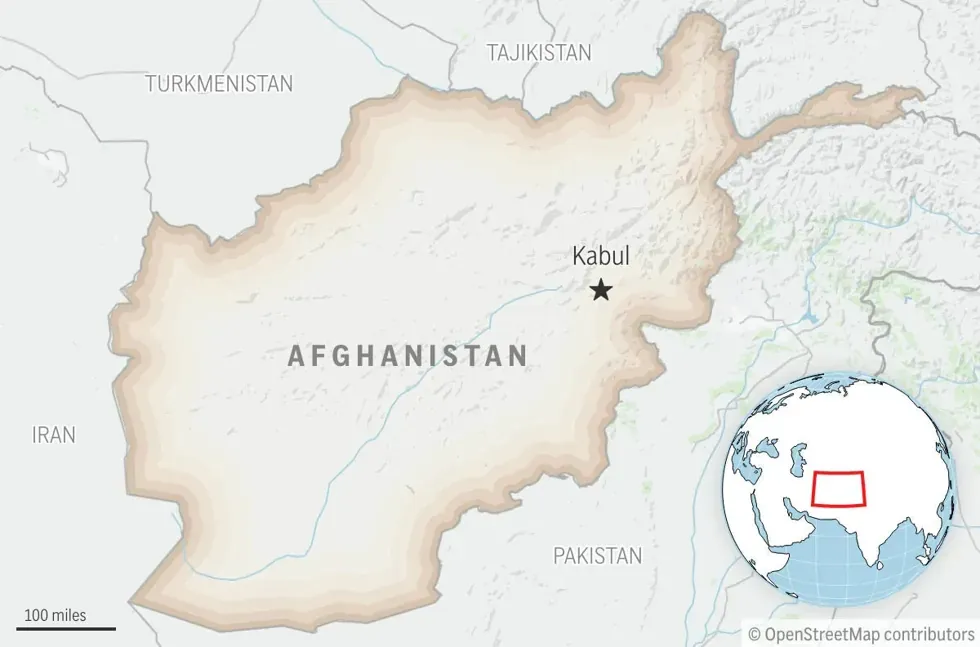
Officials in Kabul said overnight strikes attributed to Pakistani aircraft hit residential areas and infrastructure in the Afghan capital and the southern province of Kandahar, killing at least four civilians and injuring several others. The incident comes as hostilities between the two countries stretch into their third week, marking one of the most severe periods of tension along their shared frontier in recent years.

According to a report by Associated Press, Afghan authorities accused Pakistani forces of striking civilian sites, including homes and fuel facilities near Kandahar airport.

Pakistan’s military and government had not issued an immediate response to the allegations at the time the claims were made.

Civilian Casualties Push Confrontation Toward Wider Conflict

Taliban government spokesman Zabihullah Mujahid said the overnight strikes targeted multiple locations, including areas connected to civilian aviation infrastructure. He stated on social media that fuel depots used by the private Afghan carrier Kam Air were among the sites hit.

The facilities reportedly supply fuel for both commercial flights and aircraft used by the United Nations.

Local officials in Kabul reported that several homes were damaged during the strikes. City police spokesman Khalid Zadran said at least four civilians, including children, were killed in the capital, while more than a dozen people were injured.

Authorities said the overall casualty count across other provinces remained unclear as damage assessments continued.


■ Related News

Russian President Vladimir Putin stands with Indian Prime Minister Narendra Modi and Chinese leader Xi Jinping before a BRICS Summit meeting.

China, Russia and India Leaders Gather for SCO Summit as U.S. Influence Faces Challenge

August 31, 2026
Abelardo de la Espriella, Colombian presidential candidate, gives an interview ahead of the 2026 presidential election.

Colombia Captures Suspected Tren de Aragua Leader as U.S. Security Ties Deepen

August 29, 2026
Donald Trump speaks at the Conservative Political Action Conference in Washington, D.C., in 2011 during a political address.

After Six Months of Iran War, U.S. Goals Have Shifted. Strait of Hormuz Is Now a Top Concern

August 27, 2026
Saudi Crown Prince, Turkish President and Pakistani Prime Minister attend the signing of a joint defense agreement in Makkah.

Turkey, Pakistan and Saudi Arabia Sign Mutual Defense Pact as Regional Security Tensions Rise

August 8, 2026

Cross-Border Military Campaigns Intensify

The latest airstrikes are part of an expanding exchange of military operations that began in late February, when Afghan authorities said they struck Pakistani positions along the border following earlier Pakistani attacks.

Since then, both countries have reported targeting each other’s military installations.

Pakistani officials have repeatedly stated that their operations are aimed at militant groups operating near the frontier, particularly the Tehrik-e-Taliban Pakistan, commonly known as the Pakistani Taliban.

Islamabad accuses the Afghan Taliban government of allowing the group to operate from Afghan territory, a charge Kabul has consistently denied.

Pakistani authorities frequently refer to the group as “Khawarij,” a term used by Islamabad for the outlawed militants.

Security analysts say the cycle of retaliatory strikes has raised the risk that limited operations could evolve into a broader confrontation between the two states.

Diplomatic Channels Struggle to Contain Escalation

The military exchange is unfolding as regional diplomats attempt to prevent further deterioration.

China’s special envoy for Afghanistan, Yue Xiaoyong, arrived in Islamabad shortly before the latest strikes and met with Pakistan’s envoy for Afghan affairs, Mohammad Sadiq.

The talks followed earlier meetings in Kabul with Afghan officials.

According to statements shared by Sadiq, discussions focused on security concerns involving militant organizations, including the Pakistani Taliban and the East Turkestan Islamic Movement, which China considers a threat to its regional interests.

The envoys emphasized the need for coordinated efforts to stabilize the region.

Despite repeated calls from international actors urging restraint, the exchange of military operations has continued.

Ceasefire Collapse Undermines Fragile Stability

The latest clashes also underscore the breakdown of a ceasefire negotiated in late 2025 with mediation from Qatar and Turkey.

The truce was initially agreed in Doha and followed by several days of talks in Istanbul, where both sides pledged to pursue further negotiations aimed at stabilizing the border.

Those diplomatic efforts ultimately stalled, and hostilities resumed.

Security observers say the renewed violence highlights the fragility of existing mechanisms designed to manage tensions between Kabul and Islamabad.

Regional Security Calculus Faces New Uncertainty

The current confrontation reflects deeper structural tensions that have persisted since the Taliban’s return to power in 2021.

Since then, attacks inside Pakistan attributed to the Pakistani Taliban have increased, prompting Islamabad to intensify cross-border counter-militant operations.

Afghan officials maintain that their government does not shelter the group and argue that Pakistan’s strikes violate Afghan sovereignty.

With both governments claiming significant battlefield losses inflicted on the other, the dispute is increasingly being framed by officials in Islamabad as an “open war” scenario.

Diplomatic observers warn that without renewed mediation or credible security arrangements along the border, the confrontation risks evolving from sporadic military exchanges into a more sustained regional security crisis.

Tags: #AfghanistanAirstrikes#AfghanistanPakistanConflict#BorderConflict#Geopolitics#GlobalDiplomacy#MilitaryTensions#PakistanMilitary#RegionalSecurity#SecurityCrisis#SouthAsiaCrisis#TalibanGovernment#WorldNews
The Daily Desk

The Daily Desk

The Daily Desk is a contributor at JournosNews.com covering politics, media, governance, and the evolving dynamics of public discourse. Stories published under this byline are produced in accordance with JournosNews' editorial standards, with an emphasis on verified reporting, accuracy, context, and impartiality.

Related Posts

Former Taiwan President Tsai Ing-wen observes military personnel and equipment during the Han Kuang 32 military exercise in Pingtung County.

Taiwan Military Drills Highlight Closer U.S. Alignment as China Tensions Persist

August 7, 2026
Firefighters from Ukraine's State Emergency Service work among the rubble of a severely damaged building as smoke rises following a Russian attack in Kyiv.

Ukraine Expands Strikes on Russian Oil Facilities as Kyiv Seeks Stronger Air Defenses

August 7, 2026
A North Korean ballistic missile is displayed on a transporter vehicle during the Victory Day military parade in Pyongyang.

North Korea Resumes Ballistic Missile Tests Ahead of U.S.-South Korea Military Exercises

August 7, 2026
U.S. Navy sailors aboard USS William P. Lawrence prepare to provide rescue assistance to a burning vessel while transiting the Strait of Hormuz.

Iran Signals Progress on Strait of Hormuz Agreement as Middle East Tensions Persist

August 7, 2026
A U.S. Navy sailor stands watch aboard a military vessel while transiting the Strait of Hormuz, monitoring nearby maritime traffic.

Iran Nears Strait of Hormuz Agreement as Israel Reports First Troop Deaths Since Lebanon Ceasefire

August 6, 2026
President Donald Trump speaks with reporters on the South Lawn of the White House before boarding Marine One for a trip to Las Vegas on April 16, 2026.

Trump Says Gulf Allies Urged Delay of U.S. Strikes on Iran as Diplomatic Talks Resume

August 3, 2026
Locator map showing the approximate coal mine explosion site near Harnai in Pakistan's Baluchistan province, rescue operation areas, nearby communities, and key incident information.

Pakistan Coal Mine Explosion Kills at Least 32 as Rescuers Search for Trapped Workers

July 31, 2026
JournosNews regional map showing missile launches, interceptions, airstrikes, strategic shipping routes, and security hotspots across Iran, Iraq, Jordan, the Red Sea, and the Strait of Hormuz.

Iranian Missile Fire and Iraq Strikes Renew Middle East Tensions

July 29, 2026
Load More
Next Post
Asian stock market boards reacting to oil price volatility and geopolitical tensions - AP Photo/Eugene Hoshiko

Asia Stocks Decline as Oil Prices Hold Near $100 Amid Strait of Hormuz Supply Risks

Oil tankers sailing through Strait of Hormuz amid rising geopolitical tensions - AP Photo/Mark Schiefelbein

How the U.S.–Iran War Is Reshaping American Politics and Global Energy Markets

JournosNews logo

Journos News delivers globally neutral, fact-based journalism that meets international media standards — clear, credible, and made for a connected world.

  • Categories
  • World News
  • Politics
  • Business & Markets
  • Technology
  • Health
  • Science
  • Sports
  • Arts & Culture
  • Resources
  • Editorial Standards
  • Submit a Story
  • Advertise with Us
  • Syndication & Partnerships
  • Site Map
  • Press & Media Kit
  • Editorial Team
  • Careers

Join thousands of readers receiving the latest updates, tips, and exclusive insights straight to their inbox. Never miss an important story again.

  • About Us
  • Editorial & Trust Center
  • Contact Us
  • Privacy Policy
  • Terms of Use & Copyright Notice

© JournosNews.com All rights reserved.

Welcome Back!

Login to your account below

Forgotten Password?

Retrieve your password

Please enter your username or email address to reset your password.

Log In
JournosNews

Independent Journalism.
Verified Facts.

You're about to read a professionally edited article from JournosNews.com.

Every article is produced in accordance with our editorial standards, emphasizing factual accuracy, transparent attribution, fairness, editorial independence, and meaningful context.

Editorial Standards
No Result
View All Result
  • Home
  • World
    • Africa
    • Americas
    • Asia
    • Europe
    • Middle East
    • Oceania
  • Politics
  • Business
  • Technology
  • Health
  • Science
  • Sports
  • Entertainment
  • Culture

© JournosNews.com All rights reserved.

This website uses cookies. By continuing to use this website you are giving consent to cookies being used. Visit our Privacy and Cookie Policy.