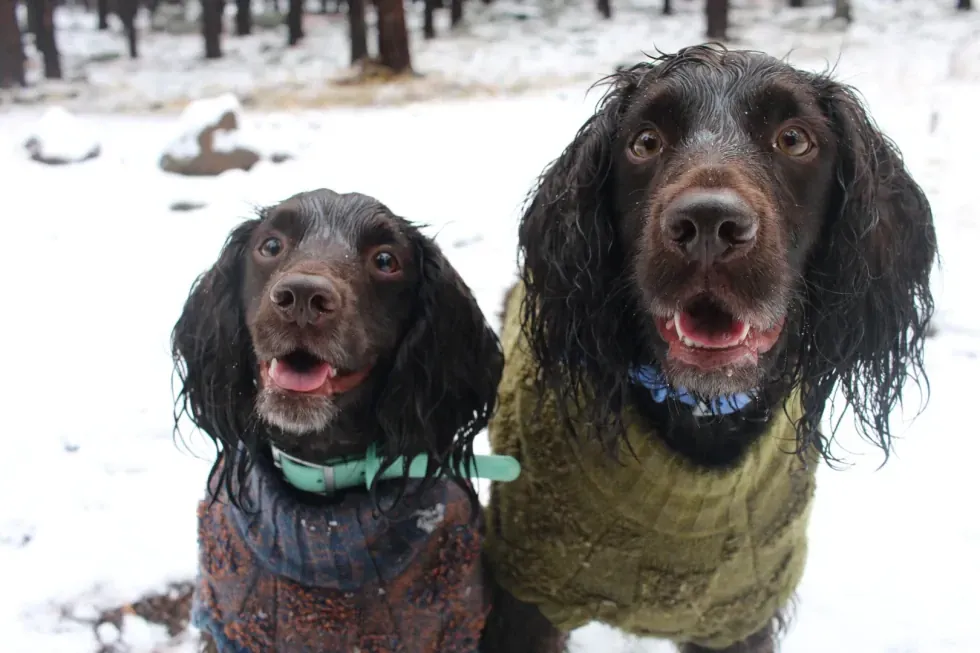
As winter intensifies across parts of the United States, veterinarians and animal welfare groups are urging pet owners to prepare not only for storms and power outages, but for the physiological risks cold weather poses to animals. The guidance highlights broader questions about climate variability, preparedness culture, and how owners assess risk for pets compared with children.
Winter preparedness advice for pets often appears seasonal and routine. Yet the guidance issued by organizations such as the American Veterinary Medical Association, the American Humane Society, and the American Animal Hospital Association reflects a more structural concern: animals are physiologically vulnerable in ways that are frequently misunderstood.
While many owners assume that fur offers sufficient insulation, veterinary experts emphasize that cold exposure interacts with breed, age, health status, wind chill, and moisture. The result is not merely discomfort but measurable medical risk, including hypothermia, frostbite, toxic exposure, and metabolic stress.

This winter guidance also reflects a broader shift in how companion animals are regarded — not as property, but as dependents requiring contingency planning comparable to that for children. That framing carries practical implications, from emergency kits to infrastructure resilience.
The physiology of cold: why fur is not enough
The assumption that dogs are naturally equipped for winter remains widespread. However, veterinary associations note that risk begins at temperatures many owners would not consider extreme. Frostbite can occur at or below 32°F (0°C), particularly when animals are wet. Hypothermia risk increases as body temperature falls below normal ranges — a medical emergency if untreated.
Evidence from veterinary literature indicates that small breeds, short-haired dogs, very young animals, seniors, and pets with chronic conditions such as arthritis or cardiac disease struggle more with thermoregulation. Wind chill compounds this vulnerability by accelerating heat loss. Moisture — snow, sleet, or rain — reduces the insulating effect of fur.
The risk is not geographically limited to traditionally cold regions such as the Midwest or Northeast. Early morning temperature dips in temperate cities can create short but dangerous exposure windows. This variability complicates preparedness, particularly in regions unaccustomed to sustained freezes.
The broader implication is that risk assessment must shift from regional stereotypes to condition-based evaluation. Temperature alone is insufficient; duration of exposure, activity level, and surface contact (ice, salted pavement) matter.
■ Related News




Hypothermia and frostbite: medical realities
Veterinary guidance outlines distinct but related risks. Frostbite typically affects extremities — paws, ears, tails — and while often localized, it signals dangerous exposure levels. Hypothermia, by contrast, is systemic.
Clinical signs of mild hypothermia in dogs may include lethargy, slowed reflexes, irregular heart rate, or shallow breathing. More severe cases can lead to organ dysfunction. Treatment requires gradual rewarming and veterinary supervision.
These risks underscore a preventive logic: avoid prolonged exposure, dry animals promptly, and monitor behavior changes. From a public health perspective, emergency veterinary visits during winter storms can also strain local services, reinforcing the value of prevention.
Environmental toxins: an underappreciated hazard
Cold-weather risks extend beyond temperature. Antifreeze, which often contains ethylene glycol, poses a well-documented toxic threat. Even small quantities can cause kidney failure. Its sweet taste increases ingestion risk for dogs.
Similarly, de-icing salts and chemicals can irritate paw pads and cause gastrointestinal distress if licked. Pet-safe alternatives exist, but they are not universally used by municipalities or neighbors. This creates an environmental exposure risk that individual owners cannot fully control.
Protective booties, paw balms, and routine cleaning after walks reduce but do not eliminate exposure. The broader issue is regulatory fragmentation: while veterinary groups recommend safer formulations, local implementation varies.
Protective clothing: functionality versus anthropomorphism
Pet apparel is sometimes dismissed as aesthetic or anthropomorphic. Yet veterinary experts draw distinctions between decorative clothing and functional gear.
Short-coated, hairless, toy breeds, and dogs whose abdomens contact snow are more vulnerable to cold stress. For these animals, sweaters and water-resistant jackets can reduce heat loss and moisture retention. Booties may protect against frostbite and sharp ice injuries.
The evaluative question is not whether clothing is fashionable, but whether it materially reduces thermal and environmental exposure. Experts caution that garments must not restrict movement or trap moisture. Reflective trim may also enhance visibility during shorter winter daylight hours.
From a behavioral standpoint, gradual acclimation is recommended to reduce stress. The broader takeaway is that protective gear serves a risk-mitigation function when applied selectively and appropriately.
Activity versus restriction: balancing exercise needs
Cold weather often leads owners to confine pets indoors. Yet high-energy breeds, in particular, require physical and cognitive stimulation.
Winter activities such as skijoring, canicross, snowshoeing, and routine walks can be conducted safely with appropriate precautions. The limiting factor is not the season itself but exposure management.
Where temperatures drop to extreme levels — including sub-zero wind chills — indoor enrichment becomes more critical. Cognitive games, scent work, puzzle feeders, and structured training sessions can mitigate behavioral issues associated with inactivity.
This distinction reflects a broader analytical point: risk management is not synonymous with avoidance. Controlled exposure may offer benefits, while unmanaged exposure creates harm.
Beyond dogs: species-specific vulnerabilities
Winter preparedness advice is often dog-centric, yet veterinary guidance extends to other species.
Cats face similar frostbite and hypothermia risks, particularly outdoor or feral populations. Microchipping is recommended, as snow can obscure scent markers and landmarks.
Reptiles require stable heat sources; backup power plans are critical during outages. Birds are sensitive to fumes from fireplaces or generators, requiring ventilation oversight.
Livestock present additional considerations. Cold weather increases caloric demands, necessitating adjusted feeding. Frozen water supplies must be prevented to avoid dehydration. Prolonged standing in wet conditions can cause hoof cracking or infection, highlighting the need for dry bedding or elevated ground.
The comparative insight is that winter risk varies significantly by species, and preparedness must be tailored accordingly.
Emergency kits and resilience planning
Veterinary organizations increasingly recommend emergency kits for pets, including food, water, medications, and backup heat plans. This aligns with broader disaster-preparedness guidance from federal agencies.
The emphasis reflects a growing recognition that climate variability — including more frequent extreme weather events — heightens risk exposure. Power outages during winter storms can quickly become life-threatening for temperature-sensitive animals.
Preparedness, in this context, is less about seasonal routine and more about resilience planning.
Climate variability and shifting risk patterns
While the article’s guidance centers on immediate safety measures, it intersects with a larger conversation about climate patterns. The United States has experienced increased weather volatility in recent years, with both severe cold snaps and extreme heat events.
Such variability complicates risk prediction. Regions unaccustomed to prolonged freezes may lack infrastructure or public awareness. For pet owners, this means preparedness cannot rely solely on historical averages.
Veterinary associations stop short of drawing direct climate conclusions in seasonal advisories. However, the repeated emphasis on advance preparation suggests an understanding that unpredictability itself is a risk factor.
Preparedness culture and behavioral economics
One notable aspect of winter pet guidance is its framing: prepare before the storm. Behavioral research consistently shows that individuals underestimate low-probability but high-impact risks.
Pets, viewed as family members, may motivate greater preparedness than abstract climate threats. Yet gaps persist, particularly in urban settings where owners assume shorter outdoor exposure is inherently safe.
The comparison with child safety — frequently invoked by veterinary leaders — signals a strategic communication choice. It reframes pet care from discretionary to essential.
Conditional conclusions
The evidence from veterinary organizations indicates that winter presents measurable, preventable risks for pets across species. Frostbite, hypothermia, toxic exposure, and metabolic strain are not rare anomalies but predictable outcomes of unmanaged exposure.
At the same time, cold weather does not necessitate total restriction. With appropriate gear, monitoring, and contingency planning, outdoor activity can remain safe.
The broader implication is that winter pet safety functions as a microcosm of risk management more generally: anticipate variability, mitigate exposure, and prepare for disruption. The extent to which households adopt these practices likely depends on awareness, local climate norms, and access to veterinary guidance.
Rather than framing winter as inherently dangerous or entirely benign, expert recommendations suggest a conditional approach: exposure is safe when controlled, hazardous when underestimated.
Source: AP News – Don’t forget pets when preparing for winter’s cold. Here’s what experts recommend