A sweeping corruption scandal tied to flood control spending in the Philippines is deepening a governance crisis, as deadly flooding exposes alleged misuse of billions of dollars intended for disaster prevention.
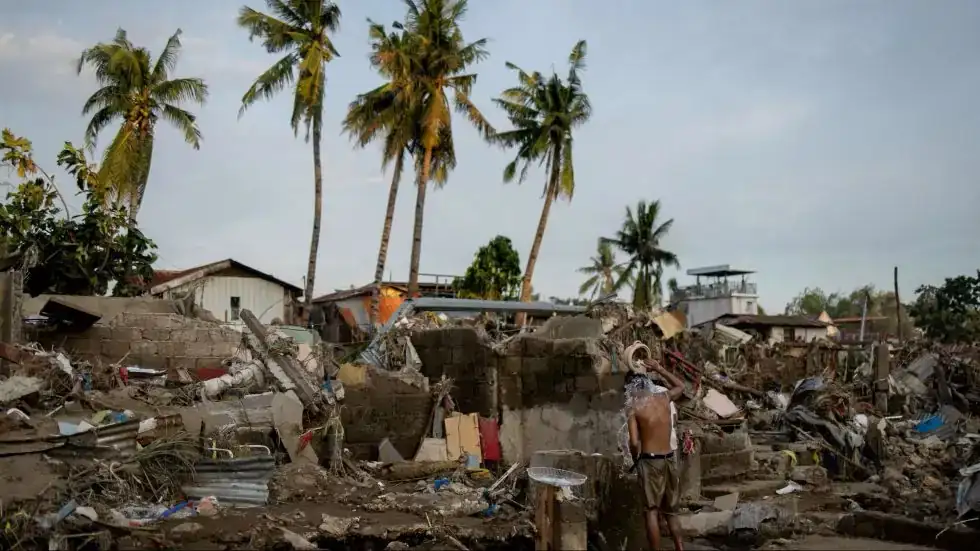
The Philippines flood control corruption controversy has intensified following catastrophic flooding triggered by a powerful storm in November, which killed more than 230 people nationwide. The disaster has amplified scrutiny of infrastructure projects meant to mitigate such risks, many of which officials now say were poorly built, incomplete, or entirely fictitious.
The unfolding crisis has drawn national and international attention, with analysts warning that governance failures in disaster preparedness could have long-term humanitarian and economic consequences in one of the world’s most climate-vulnerable countries.

According to reporting by CNN, the government has launched investigations into flood control programs after evidence emerged of widespread irregularities, including alleged kickbacks and “ghost projects” that existed only on paper.
Governance Failures Exposed by Disaster Impact
The scale of the Philippines flood control corruption allegations became apparent after severe flooding struck regions including Cebu, where residents reported rapid inundation despite billions allocated for mitigation infrastructure.
Officials acknowledged that major flood control systems “should have been working,” prompting urgent calls for audits and accountability. The disaster has become a focal point for public frustration, as communities question how extensive funding failed to translate into effective protection.
President Ferdinand Marcos Jr., cited in CNN reporting, has admitted that internal reviews uncovered systemic flaws, including substandard construction and projects that were never completed. These findings have intensified concerns about oversight failures across multiple government agencies.
Political Pressure Mounts Amid Expanding Investigation
The scandal has implicated dozens of lawmakers, officials, and contractors, triggering a wave of political fallout. Authorities are investigating allegations that large portions of allocated funds were diverted through corrupt procurement processes.
■ Related News



Finance officials have indicated that billions of pesos may have been lost to corruption in recent years, adding urgency to ongoing probes. The government has pledged prosecutions, with several individuals already detained and assets linked to the case frozen.
However, the widening scope of the investigation has also led to political tensions, as accusations extend to senior figures within the current administration and its allies. Some critics have questioned whether accountability efforts will reach the highest levels of government.
Public Protests Reflect Broader Anti-Corruption Sentiment
The Philippines flood control corruption scandal has galvanized public anger, particularly among younger generations. Protest movements have emerged across major cities, calling for systemic reforms and greater transparency in public spending.
Activists argue that the scandal reflects deeper structural issues in governance, including entrenched patronage networks and weak accountability mechanisms. Demonstrations have echoed broader regional trends, with similar anti-corruption protests seen in parts of Asia.
Public frustration has been further fueled by perceptions of inequality, as allegations of lavish lifestyles among political elites contrast sharply with the hardships faced by flood-affected communities.
Historical Context Shapes Political Stakes
The controversy has also revived historical sensitivities surrounding corruption in Philippine politics, particularly given the legacy of the Marcos family. Analysts note that the scale of alleged financial mismanagement has drawn comparisons to past governance crises.
While President Marcos Jr. has positioned himself as leading anti-corruption efforts, critics argue that the administration faces a credibility challenge as investigations expand. Political observers warn that the outcome could influence public trust and institutional stability in the years ahead.
Despite declining approval ratings, analysts cited by CNN suggest that immediate political upheaval remains unlikely without definitive evidence directly linking top leadership to wrongdoing.
Long-Term Risks to Climate Resilience and Public Trust
Beyond the political fallout, the scandal raises critical questions about the Philippines’ capacity to respond to increasingly severe climate events. Failures in flood control infrastructure could undermine resilience efforts and expose millions to future risks.
Experts warn that restoring confidence will require not only prosecutions but also systemic reforms in project planning, procurement, and oversight. Without meaningful changes, similar failures could recur, exacerbating both humanitarian vulnerabilities and economic losses.
As investigations continue, the Philippines flood control corruption case stands as a defining test of governance, with implications for disaster preparedness, political accountability, and public trust in state institutions.