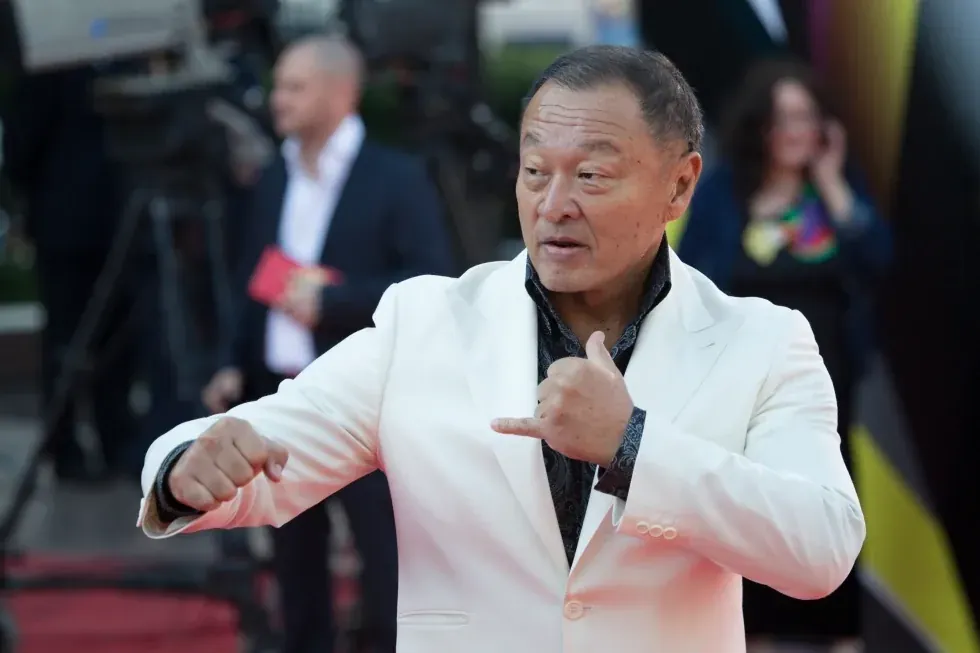
SANTA BARBARA, Calif. (Journos News) – Cary-Hiroyuki Tagawa, the Tokyo-born actor known for his roles in Mortal Kombat and the television drama The Man in the High Castle, has died at 75. Over nearly four decades, he established himself as one of the most recognizable Asian actors working in major Hollywood productions.
He died in Santa Barbara, California, from complications linked to a stroke, his manager Margie Weiner confirmed. Family members were by his side. Weiner described him as generous and deeply committed to his craft.
His death closes a long chapter in Hollywood history, one that reflected both opportunity and limitation for Asian performers in the U.S. industry.

Early breakthrough in Hollywood
Tagawa’s career gained international attention in 1987 when he appeared in The Last Emperor, directed by Bernardo Bertolucci. The Oscar-winning film introduced him to global audiences and helped him secure further studio roles.
He went on to appear in high-profile films such as License to Kill, the 1989 James Bond installment, as well as Pearl Harbor and Planet of the Apes. Casting directors often chose him for commanding or authoritative characters. Off screen, colleagues described him as measured and reflective.
Many viewers remember him for portraying Shang Tsung in the 1995 film adaptation of Mortal Kombat. The role gave him enduring recognition among fans of the video game franchise.
Television later brought renewed visibility. He appeared in the Amazon series The Man in the High Castle, which explored an alternate history shaped by an Axis victory in World War II. The series introduced his work to streaming audiences worldwide.
A life shaped by movement and identity
Born in Tokyo, Tagawa spent much of his childhood in the southern United States. His Hawaii-born father served at mainland Army bases, which required frequent moves. He later lived in Honolulu and on the island of Kauai.
■ Related News



In interviews, Tagawa reflected on growing up between cultures. His father met his mother, Ayako, while stationed in Japan. His parents named him after Cary Grant, and his brother after Gregory Peck, honoring classic Hollywood actors.
Ayako had worked as a stage performer in Japan. She reportedly discouraged him from entering acting because roles for Asians in American film were limited at the time. Tagawa nevertheless began acting at 36 after holding several jobs, including celery farming, limousine driving, truck delivery, and photojournalism.
He spoke openly about barriers facing Asian actors. In a 2005 interview with the Honolulu publication Midweek, he said visibility had improved but structural challenges remained. He noted that exposure had grown commercially, even if opportunities had not expanded significantly.
Cultural interpretation and public debate
In 2005, Tagawa portrayed the Baron in Memoirs of a Geisha, adapted from the bestselling novel set in prewar Japan. Some critics argued the film lacked cultural authenticity.
Responding in a 2006 interview with The Associated Press, Tagawa said audiences should view the film as interpretation rather than documentary. He argued that storytelling across cultures naturally involves perspective and adaptation.
His remarks reflected a broader discussion in Hollywood about representation and authorship. That debate continues as studios reassess casting and production choices.
Martial arts, training and mentorship
Although many film roles linked him to martial arts, Tagawa said he did not pursue fighting as competition. Instead, he developed a system called Ninjah Sportz. The program used martial arts principles for physical training and healing.
He worked with professional athletes, including World Boxing Council light flyweight champion Brian Viloria. He also advised members of the University of Hawaii football team. Tagawa described the work as focused on discipline and personal growth.
Legal matter
In 2008, Tagawa pleaded guilty in Honolulu to a petty misdemeanor charge of harassing a girlfriend. Police reported bruises on her legs at the time. His attorney said he accepted responsibility and offered no excuses.
The incident marked a challenging period in his life but did not end his acting career.
A steady presence through industry change
Tagawa’s career unfolded as Hollywood slowly broadened its approach to casting. He often played villains or authority figures, yet he maintained consistent work in both mainstream and independent projects.
Streaming platforms later revived interest in his earlier performances. For many viewers, especially within Asian American communities, his longevity symbolized persistence in a changing industry.
He is survived by his family. Memorial arrangements have not been announced.
Source: AP News – Cary-Hiroyuki Tagawa, actor who performed in ‘Mortal Kombat,’ has died at 75