


Journos News - Breaking News, World News, Top Stories, Todays Headlines and Flash Reports
Tuesday, July 14, 2026
  • Login
  • Home
  • World
    • Africa
    • Americas
    • Asia
    • Europe
    • Middle East
    • Oceania
  • Politics
  • Business
  • Technology
  • Health
  • Science
  • Sports
  • Entertainment
  • Culture
No Result
View All Result
  • Home
  • World
    • Africa
    • Americas
    • Asia
    • Europe
    • Middle East
    • Oceania
  • Politics
  • Business
  • Technology
  • Health
  • Science
  • Sports
  • Entertainment
  • Culture
No Result
View All Result
Journos News - Breaking News, World News, Top Stories, Todays Headlines and Flash Reports
No Result
View All Result
Home EDITORS PICK

Why Honey Never Spoils: The Science Behind Its Eternal Shelf Life

The Secret Chemistry That Keeps Honey Fresh for Thousands of Years

The Daily Desk by The Daily Desk
June 15, 2026
in EDITORS PICK, Health, Lifestyle & Wellness
0
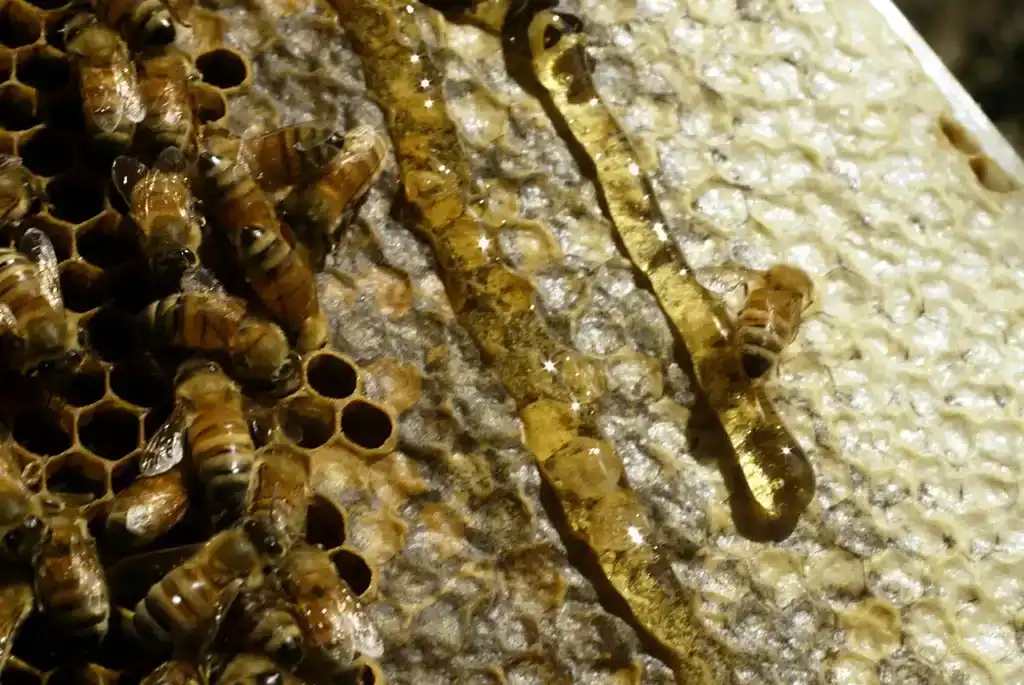
The Science of Honey’s Longevity: Nature’s Perfect Preservative - Getty Images

Why Bacteria Can’t Survive in Honey—And What That Means for You - Getty Images

Why Honey Doesn’t Spoil: The Science, History, and Secrets Behind Its Remarkable Shelf Life

If you’ve ever discovered an old jar of honey tucked away in your pantry—crystallized, perhaps, but still perfectly edible—you’re not alone in wondering: Why doesn’t honey ever go bad?

It’s one of the few foods on Earth with an almost mythical resistance to time. Archaeologists have found pots of honey in ancient Egyptian tombs, sealed for over 3,000 years, and astonishingly, the honey was still safe to eat. This isn’t folklore—it’s a scientific reality. Honey is not only delicious but chemically engineered by nature to last virtually forever.

Let’s explore why.

The Chemistry That Defies Time

To understand honey’s longevity, it helps to know why most foods spoil. Bacteria, yeasts, and molds are the culprits behind food decay. They thrive in environments that are:

  • Moist
  • Moderately acidic or neutral in pH
  • Rich in nutrients (like sugar or protein)
  • Exposed to oxygen

Honey, on the surface, seems like it should be perfect microbe food—it’s sugar-rich, after all. But it breaks almost all of the other rules that microbes love:

RELATED POSTS

Why Scratching Bug Bites Makes Them Worse, According to New Research

WHO Launches Clinical Trial of Two Ebola Treatments as Congo’s Bundibugyo Outbreak Grows

New Jersey Targets Employers With New Medicaid Fee as Other States Consider Similar Policies

Medicaid Work Requirement Guidance Raises Concerns for Patients With Chronic Illnesses

Extreme Weather Anxiety on the Rise as Experts Urge Preparedness and Support

Genomic Test Could Help Millions of Breast Cancer Patients Avoid Chemotherapy

  • Low moisture: Ripe honey contains just 15–18% water, far too little for most bacteria or fungi to grow.
  • High sugar concentration: The osmotic pressure created by honey’s sugar content literally pulls water out of microbial cells, dehydrating and killing them.
  • Acidity: Honey has a pH between 3.2 and 4.5, which is highly acidic—another hostile environment for microbes.
  • Hydrogen peroxide: As part of the honey-making process, bees produce a small amount of hydrogen peroxide, a natural antimicrobial agent.

The result? Honey is one of the most inhospitable environments for microbial life on Earth.

How Bees Make It So Powerful

Honey doesn’t start off shelf-stable. When bees collect nectar from flowers, it’s a watery solution—about 70–80% water and 20–30% sugar. Left alone, this would spoil in no time. But bees aren’t just gatherers—they’re master processors.

Inside the hive, bees go to work:

  • They regurgitate the nectar repeatedly, exposing it to enzymes like glucose oxidase, which helps convert sugars and produces gluconic acid and hydrogen peroxide.
  • They fan the honeycomb with their wings, reducing water content through evaporation.
  • They store the concentrated liquid in wax cells and seal them with beeswax to protect against moisture and contaminants.

What results is an incredibly stable substance, nearly impossible for bacteria to colonize.

History’s Oldest Preservative

Honey’s longevity has been recognized for millennia. Ancient civilizations didn’t need a microscope to know it was special.

  • Egyptians used honey in religious offerings, burial rituals, and embalming. Tombs often included honey pots for the afterlife.
  • Greeks and Romans revered honey as a symbol of health and healing. Hippocrates, the “father of medicine,” prescribed it for fevers, wounds, and digestive issues.
  • Ayurvedic medicine in India described honey as a healing tonic more than 4,000 years ago.

These cultures may not have known the biochemistry behind honey’s preservative powers, but they recognized its practical value—and its near-magical shelf life.

When Honey Can Go Bad (Sort Of)

Despite its strengths, honey isn’t invincible. It can absorb moisture from the air over time, especially if left unsealed. If the moisture content rises above 20%, fermentation may begin. Also, contamination from dirty utensils or repeated exposure to air and heat can introduce microbes or degrade quality.

Crystallization, which often leads people to believe honey has spoiled, is actually natural and harmless. It occurs when glucose precipitates out of the supersaturated solution. Gently warming the jar in hot water can restore it to its liquid state.

And if you’re wondering—yes, you can still eat crystallized honey. It’s perfect for baking, spreading, or stirring into tea.

A Modern Twist: Mead and Culinary Uses

Interestingly, if you want honey to spoil (in a controlled way), you can do that too. Add water and yeast, and you get mead—a fermented honey wine that’s been enjoyed since ancient times. Mead-making dates back to at least 7000 BC in China and has recently seen a resurgence among craft brewers and foodies.

Honey is also used as a preservative in its own right. It’s been used to preserve fruits and nuts, and in some cultures, it’s even poured over meats. Its natural antibacterial and antifungal properties make it an excellent alternative to processed sugar in cooking and skincare.

Nature’s Perfect Preservative

In a world filled with expiration dates and food waste, honey remains one of nature’s most remarkable exceptions. Its chemistry is uniquely suited to keeping itself—and anything it touches—protected from the march of time.

From the hives of hardworking bees to the shelves of your kitchen, honey is more than a sweetener. It’s a testament to the power of natural design, a biological feat of preservation, and a jar of history that never seems to expire.

Source; BBC – The chemical secrets that help keep honey fresh for so long

Tags: #AncientHoney#AntibacterialHoney#Beekeeping#BeesAndHoney#BeeScience#FoodPreservation#honey#HoneyBees#HoneyBenefits#HoneyChemistry#HoneyComb#HoneyFacts#HoneyHealth#HoneyInHistory#HoneyKnowledge#HoneyLovers#HoneyProduction#HoneyScience#HoneySecrets#HoneyShelfLife#HoneyStorage#LongLastingFoods#MeadMaking#NaturalPreservative#NaturalSweetener#OrganicHoney#RawHoney#UnspoiledHoney#WhyHoneyDoesntSpoil#WhyHoneyLastsForever
The Daily Desk

The Daily Desk

The Daily Desk is a contributor at JournosNews.com covering politics, media, governance, and the evolving dynamics of public discourse. Stories published under this byline are produced in accordance with JournosNews' editorial standards, with an emphasis on verified reporting, accuracy, context, and impartiality.

Related Posts

Why Scratching Bug Bites Makes Them Worse, According to New Research

by The Daily Desk
July 3, 2026
0
Person scratching a mosquito bite on their arm outdoors - AP Photo/Rick Bowmer, File

WASHINGTON - Many people instinctively scratch a mosquito bite, poison ivy rash, or other itchy skin irritation for immediate relief....

Read moreDetails

WHO Launches Clinical Trial of Two Ebola Treatments as Congo’s Bundibugyo Outbreak Grows

by The Daily Desk
July 3, 2026
0
Healthcare workers at an Ebola treatment center during Congo clinical trial - AP Photo/Moses Sawasawa, File

The World Health Organization (WHO) has launched a clinical trial in the Democratic Republic of Congo to evaluate two potential...

Read moreDetails

New Jersey Targets Employers With New Medicaid Fee as Other States Consider Similar Policies

by The Daily Desk
July 2, 2026
0
New Jersey State House as lawmakers approve Medicaid employer fee policy - AP Photo/Seth Wenig, File

New Jersey has become the latest state to require certain employers to help offset Medicaid costs by introducing a new...

Read moreDetails

Medicaid Work Requirement Guidance Raises Concerns for Patients With Chronic Illnesses

by The Daily Desk
June 15, 2026
0
Patient reviewing Medicaid coverage requirements after federal policy changes - AP Photo/Rebecca, Blackwell, File

NEW YORK - Patients living with serious health conditions and disabilities may face new challenges proving they qualify for exemptions...

Read moreDetails

Extreme Weather Anxiety on the Rise as Experts Urge Preparedness and Support

by The Daily Desk
June 15, 2026
0
Residents facing severe weather prepare emergency plans to reduce stress - AP Photo/Gerald Herbert

As hurricanes, wildfires, floods, tornadoes and other extreme weather events become increasingly common, mental health experts are drawing attention to...

Read moreDetails

Genomic Test Could Help Millions of Breast Cancer Patients Avoid Chemotherapy

by The Daily Desk
June 15, 2026
0
Researcher reviewing breast cancer genomic testing results in laboratory - Credit: Getty Images

Millions of people with hormone-sensitive breast cancer may be able to avoid chemotherapy without reducing their chances of remaining cancer-free,...

Read moreDetails

Why Brain Freeze Continues to Fascinate Scientists Beyond the Ice Cream Cone

by The Daily Desk
June 15, 2026
0
Person experiencing brain freeze after eating ice cream quickly - Credit: Getty Images

Why Brain Freeze May Reveal More About the Brain Than Ice Cream Scientists say the common cold-triggered headache offers clues...

Read moreDetails

France Permits Healthy Cruise Passengers to Disembark After Gastrointestinal Illness Outbreak

by The Daily Desk
May 15, 2026
0
Cruise ship passengers disembarking after gastroenteritis outbreak in France - AP Photo/Caroline Blumberg

French authorities allowed asymptomatic passengers to leave a cruise ship near Bordeaux after a gastrointestinal illness outbreak sickened hundreds aboard...

Read moreDetails

Global Health Coordination Intensifies After U.S. Passenger Tests Positive for Hantavirus

by The Daily Desk
June 15, 2026
0
Passengers evacuated from MV Hondius during hantavirus containment operation - AP Photo

A U.S. passenger evacuated from the Dutch-operated cruise ship MV Hondius after a hantavirus outbreak has tested mildly positive for...

Read moreDetails
Load More
Next Post
U.S. Cuts Back on Arms to Kyiv Just as Russia Ramps Up Attacks - Reuters

U.S. Pauses Key Weapons Shipments to Ukraine Amid Rising Stockpile Concerns

From Alaska to the World Stage: The Energy Link to Global Stability - Lance King/Getty Images

Alaska’s Oil Reserves: The Untapped Power Behind America’s Security

Twin Flames Universe Investigated for Alleged Abuse of Power in Spiritual Coaching - AP Photo/Matt Slocum, File

Michigan Investigates Twin Flames Universe Over Alleged Coercive Practices

JournosNews logo

Journos News delivers globally neutral, fact-based journalism that meets international media standards — clear, credible, and made for a connected world.

  • Categories
  • World News
  • Politics
  • Business & Markets
  • Technology
  • Health
  • Science
  • Sports
  • Arts & Culture
  • Resources
  • Editorial Standards
  • Submit a Story
  • Advertise with Us
  • Syndication & Partnerships
  • Site Map
  • Press & Media Kit
  • Editorial Team
  • Careers

Join thousands of readers receiving the latest updates, tips, and exclusive insights straight to their inbox. Never miss an important story again.

  • About Us
  • Editorial & Trust Center
  • Contact Us
  • Privacy Policy
  • Terms of Use & Copyright Notice

© JournosNews.com All rights reserved.

Welcome Back!

Login to your account below

Forgotten Password?

Retrieve your password

Please enter your username or email address to reset your password.

Log In
JournosNews

Independent Journalism.
Verified Facts.

You're about to read a professionally edited article from JournosNews.com.

Every article is produced in accordance with our editorial standards, emphasizing factual accuracy, transparent attribution, fairness, editorial independence, and meaningful context.

Editorial Standards
No Result
View All Result
  • Home
  • World
    • Africa
    • Americas
    • Asia
    • Europe
    • Middle East
    • Oceania
  • Politics
  • Business
  • Technology
  • Health
  • Science
  • Sports
  • Entertainment
  • Culture

© JournosNews.com All rights reserved.

This website uses cookies. By continuing to use this website you are giving consent to cookies being used. Visit our Privacy and Cookie Policy.
