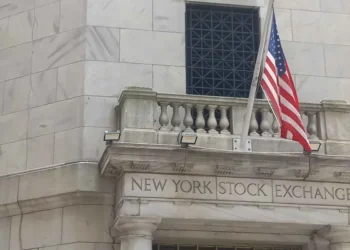
WASHINGTON — Claims of renewed US-Iran talks have injected cautious optimism into global markets, even as conflicting statements from Washington and Tehran underscore persistent uncertainty surrounding the conflict and its wider international implications.
Early signals from U.S. President Donald Trump suggesting potential diplomatic engagement with Iran briefly eased investor concerns, particularly in energy markets already strained by disruptions in the Strait of Hormuz—a vital corridor for roughly one-fifth of global oil shipments. However, Iranian officials swiftly rejected the assertion, raising doubts about whether meaningful negotiations are underway.
Diplomatic Signals Clouded by Conflicting Claims
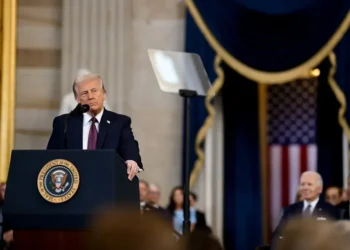
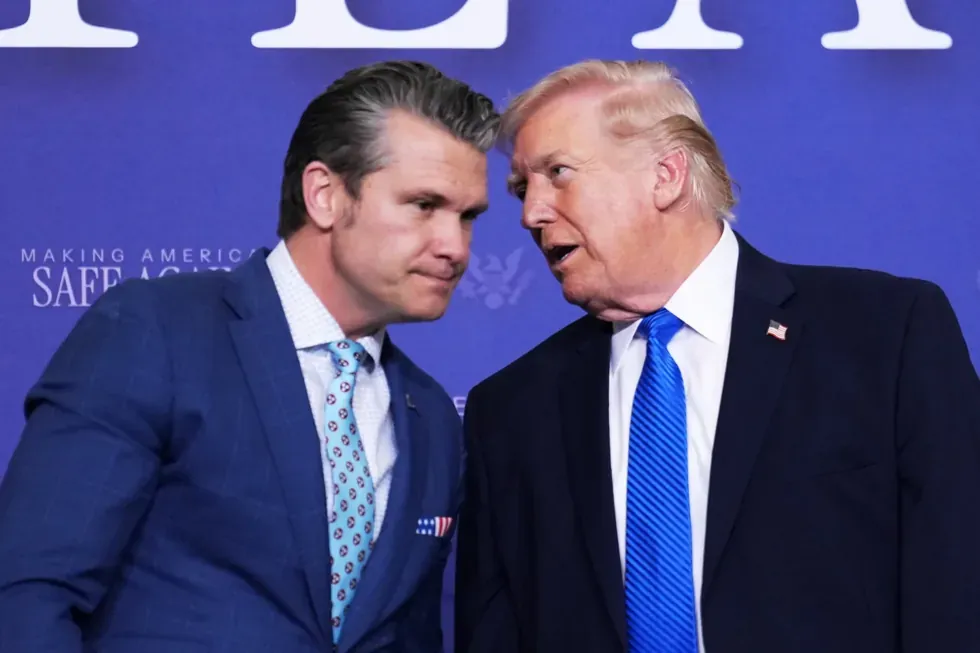
The prospect of US-Iran talks emerged after Trump indicated that U.S. envoys had engaged in constructive discussions with Iranian counterparts over the weekend. Speaking before departing for a domestic trip, he described the situation as presenting a “real possibility” of reaching an agreement, though he stopped short of offering guarantees.

According to reporting from The Associated Press, the U.S. administration delayed previously announced plans to escalate military strikes against Iranian infrastructure, a move interpreted by markets as a potential opening for diplomacy.
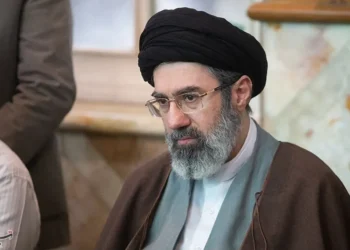
Tehran, however, publicly dismissed the claims. Iranian parliamentary speaker Mohammad Bagher Qalibaf stated that no high-level negotiations had taken place, characterizing the U.S. narrative as an attempt to influence global oil prices and gain strategic time. The Iranian Foreign Ministry echoed this stance, suggesting the messaging was aimed at mitigating economic pressure rather than signaling genuine diplomatic progress.
Strategic Waterway Disruption Amplifies Global Economic Risks
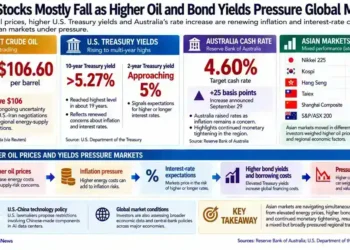
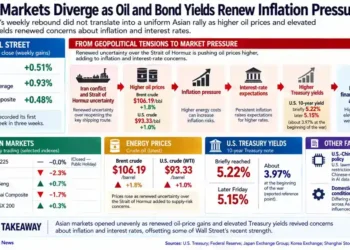
The situation has been further complicated by the continued disruption of shipping through the Strait of Hormuz, a chokepoint critical to global energy flows. The effective closure of the passage has driven volatility in oil and gas markets, with ripple effects felt across Asia and beyond.
Analysts note that even tentative signals of US-Iran talks can trigger immediate market reactions, reflecting the strategic importance of stability in the Gulf region. At the same time, the absence of verifiable diplomatic engagement has sustained skepticism among investors and policymakers alike.
The uncertainty has contributed to fluctuations in Asian equity markets, as traders respond to both geopolitical developments and mixed messaging from key actors.


Military Posturing Continues Alongside Diplomatic Messaging
Despite the apparent shift in tone, U.S. military activity in the region has continued to expand. Additional American forces, including amphibious assault ships and thousands of Marines, are being deployed to the Middle East, according to Associated Press reporting.
The buildup comes as Washington weighs options to secure maritime routes and ensure the safe passage of commercial vessels. While Trump has indicated no immediate plans for ground operations inside Iran, he has emphasized that all strategic options remain under consideration.
Security analysts point out that the simultaneous pursuit of diplomatic messaging and military reinforcement reflects a dual-track strategy. This approach, they suggest, may be intended to increase leverage in any potential negotiations while maintaining pressure on Tehran.
Strategic Objectives Remain Unresolved
Key U.S. objectives in the conflict—including limiting Iran’s missile capabilities, dismantling elements of its defense infrastructure, and preventing nuclear weapons development—remain only partially fulfilled, according to regional experts.
Independent analysts cited by international media note that Iran retains the capacity to exert influence over regional waterways and maintain elements of its strategic deterrence. Questions also persist over the status of enriched uranium stockpiles reportedly located at damaged nuclear facilities.
Such unresolved issues complicate the prospects for any near-term agreement and raise the stakes for both sides as they navigate a volatile geopolitical environment.
Global Implications and Uncertain Path Forward
The evolving situation illustrates how US-Iran talks, whether real or perceived, carry immediate consequences for global markets and regional stability. The interplay between diplomatic signaling and military positioning has heightened uncertainty, leaving international stakeholders closely monitoring developments.
Looking ahead, the credibility of diplomatic efforts—and the willingness of both sides to engage substantively—will likely determine whether current tensions ease or escalate further. For now, the gap between public statements and verifiable actions continues to define a conflict with significant global ramifications.