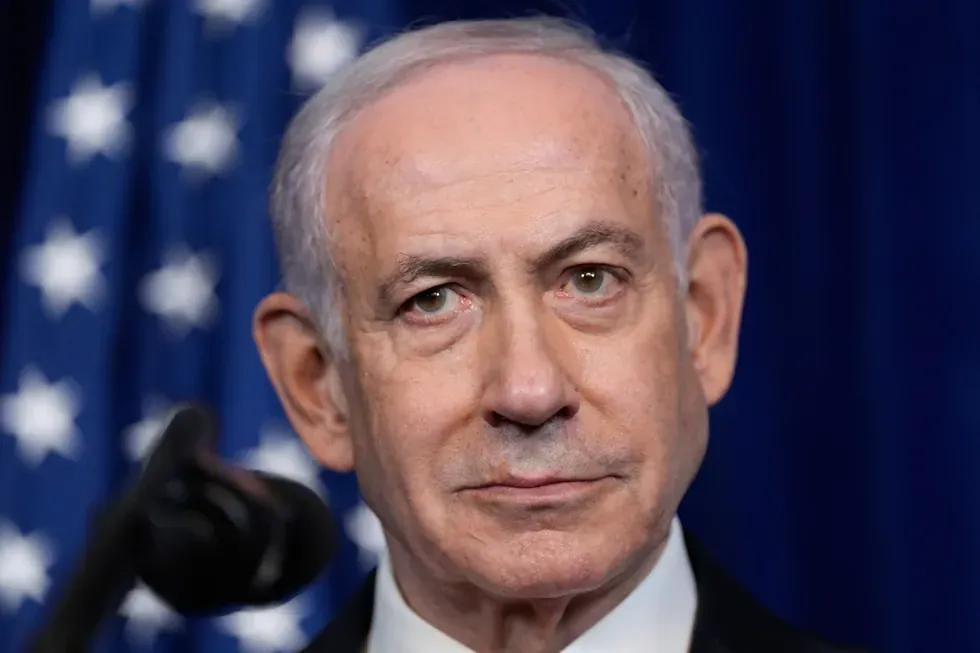
JERUSALEM — Israel’s upcoming national vote is increasingly being shaped by regional instability, with Prime Minister Benjamin Netanyahu facing mounting pressure as conflict with Iran and Lebanon-based forces influences both timing and political risk.
As Israel approaches a legal deadline to hold elections by late October, the evolving security situation has introduced new uncertainty into the political calendar. The interplay between battlefield developments and domestic opinion is emerging as a decisive factor in determining when Israelis will go to the polls.
Regional Conflict Shapes Election Strategy
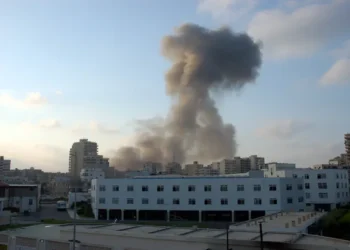
The prospect of elections has become closely tied to the trajectory of Israel’s military engagements, particularly with Iran and the Lebanese group Hezbollah. Continued hostilities have disrupted daily life across Israel, with missile attacks and security concerns weighing heavily on public sentiment.

While Israeli voters broadly support military operations, analysts note that this backing has not translated into a clear political advantage for Netanyahu’s governing coalition. The lack of a decisive outcome in the conflicts has complicated efforts to leverage security achievements into electoral momentum.
According to analysis cited by The Associated Press, Netanyahu retains the authority to call early elections but appears cautious about doing so without a significant shift in public opinion or battlefield outcomes.
Diplomatic and Security Pressures Intersect
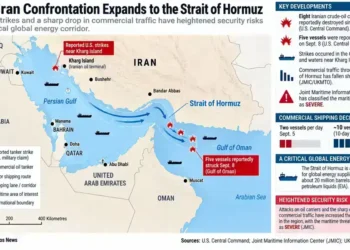
The broader regional confrontation—encompassing tensions with Iran and escalating exchanges with Hezbollah—has elevated the stakes of Israel’s election timeline. The persistence of cross-border attacks from Lebanon and ongoing missile threats underscore the risks of prolonged conflict.
Security analysts suggest that a decisive military success could strengthen Netanyahu’s position and potentially justify an earlier vote. However, continued instability may instead reinforce incentives to delay elections, allowing time for conditions to improve.
At the same time, global implications—including disruptions to energy markets and shifting alliances—are shaping Israel’s strategic calculations, linking domestic political decisions to broader geopolitical developments.
■ Related News


Domestic Political Risks Intensify
Netanyahu’s political future remains closely tied to the outcome of conflicts that began following the October 2023 attacks by Hamas. Those events triggered a prolonged period of regional warfare that continues to define Israel’s security environment and political discourse.
A victory at the polls would extend Netanyahu’s tenure as Israel’s longest-serving leader and potentially consolidate his political standing. Conversely, a loss could amplify calls for accountability over the government’s handling of the crisis, which has already led to significant political fallout within Israel.
Polling trends indicate limited movement in voter preferences, suggesting that the ongoing conflicts have yet to produce a decisive shift in domestic political dynamics.
Strategic Timing and International Implications
Netanyahu has signaled that elections are likely to take place in the fall, pointing to September or October as potential windows. This timeline would allow additional months to stabilize the security situation and potentially improve public perception.
However, a prolonged conflict risks further casualties and growing public fatigue, particularly in regions facing sustained attacks. It may also strain Israel’s international relationships, including coordination with key allies such as the United States.
Experts note that the timing of the vote could carry symbolic weight, especially if it coincides with the anniversary of the October 2023 attacks—an event that continues to resonate deeply within Israeli society.
Regional Instability as a Decisive Factor
The intersection of electoral politics and regional conflict underscores the extent to which external actors may indirectly influence Israel’s domestic trajectory. Ongoing hostilities with Iran and Hezbollah are not only shaping security conditions but also constraining political decision-making at the highest levels.
As Israel moves closer to its electoral deadline, the balance between military developments and political strategy is likely to remain fluid. The outcome of current conflicts—and their impact on public sentiment—will play a critical role in determining both the timing and result of the vote.