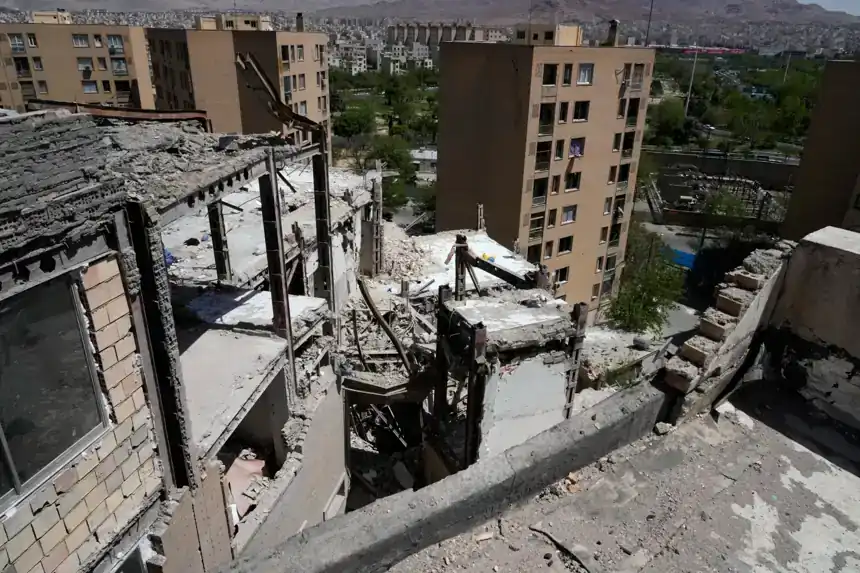
Strategic chokepoint pressure shifts diplomacy into a race against escalation
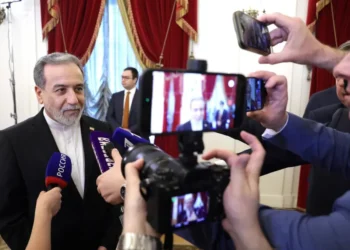
Diplomats moved urgently Tuesday to secure a second round of U.S.-Iran negotiations as Washington’s first full day of maritime enforcement around Iranian ports introduced a new layer of pressure on an already fragile ceasefire. According to reporting by The Associated Press, discussions are centering on Islamabad as a possible venue, with mediators attempting to prevent the blockade from hardening into a wider Gulf confrontation.
The dominant editorial angle is regional destabilization: the blockade is no longer simply a military signal but a test of whether diplomatic channels can survive under immediate economic and strategic strain.
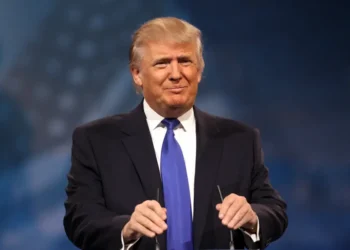
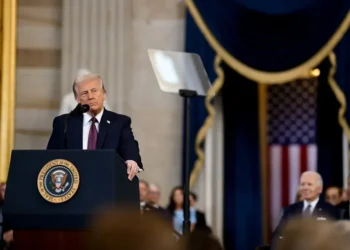
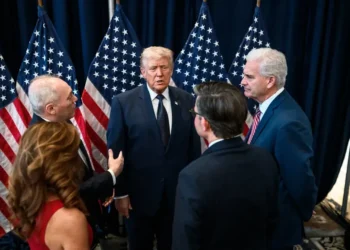
U.S. President Donald Trump indicated that talks could resume within 48 hours, while U.N. Secretary-General António Guterres separately signaled that renewed engagement appeared likely. Yet the absence of an agreed delegation structure or timetable underscores how narrow the diplomatic margin remains.

As first reported by AP, the earlier negotiating round failed to bridge differences over Iran’s nuclear posture, leaving the blockade to function as coercive leverage rather than a settled enforcement regime. That distinction matters: leverage can be reversed, but a prolonged maritime standoff risks creating facts on the water that diplomacy may struggle to unwind.
Strategic depth shrinks as Hormuz becomes the conflict’s pressure point
The Strait of Hormuz has rapidly re-emerged as the central risk node of the crisis, with naval enforcement, tanker reversals, and conflicting maritime tracking data raising questions over how sustainable the blockade can be without direct confrontation.
U.S. Central Command said six merchant vessels were turned back in the first 24 hours, while separate shipping data suggested some traffic still crossed from Iranian ports, highlighting the operational ambiguity that often precedes escalation at sea.
This is where the destabilization angle sharpens: uncertainty itself is now strategic. Even limited confusion over enforcement lines can trigger insurance spikes, rerouting decisions, and military miscalculation among commercial escorts, Gulf states, and external naval actors.
Roughly a fifth of global energy flows typically transit Hormuz, making every hour of unresolved maritime friction a multiplier for markets well beyond the immediate theater.


Economic leverage expands beyond Tehran as global shipping absorbs the shock
What began as pressure on Iranian export capacity is increasingly radiating outward into allied economies, shipping insurers, and European energy planning.
Oil and gas markets reacted sharply to the blockade’s implementation, with Europe already confronting significantly higher import costs tied to disrupted Gulf transit routes.
The broader strategic consequence is that Washington’s leverage now depends not only on Tehran’s response but also on how long partners tolerate the collateral economic burden. If shipping coalitions begin to fracture over cost exposure, the blockade’s coercive value may erode even before diplomacy produces a breakthrough.
That makes the second round of talks more than a peace initiative—it is increasingly a mechanism to stabilize global trade expectations.
Regional deterrence now hinges on whether diplomacy can outrun military signaling
The ceasefire appears to be holding for now, but threats from Tehran to strike targets across the wider region continue to shadow the diplomatic process.
Every unresolved issue—from uranium limits to naval inspection rules—now carries a direct military shadow. The risk is less immediate battlefield expansion than incremental normalization of crisis conditions: more warships, tighter sea lanes, and rising pressure on Gulf allies to choose sides.
That is why the next negotiating session, if confirmed, will likely be judged less by headline breakthroughs than by whether it slows the momentum toward permanent maritime confrontation.
The forward-looking risk is clear: if diplomacy fails to convert the blockade from an instrument of pressure into a bridge toward de-escalation, Hormuz may evolve from bargaining chip into the conflict’s defining front.