The July release reconnects the pop icon with one of her most commercially potent eras while signaling renewed catalog and streaming momentum.
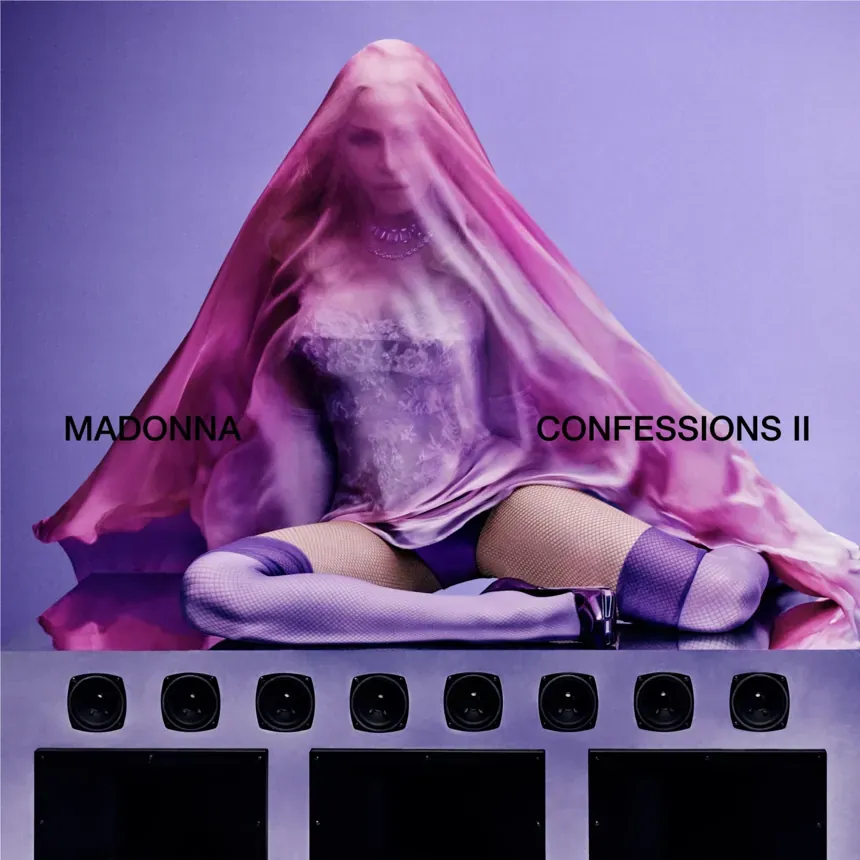
Madonna is set to return to one of the most defining chapters of her recording career with “Confessions on a Dance Floor: Part II,” a sequel arriving July 3 through Warner Records, according to the Associated Press. The project reunites her with Stuart Price and extends the legacy of the 2005 dance-pop landmark that helped reset her commercial trajectory in the mid-2000s.
The dominant industry angle here is career milestone and catalog strategy: rather than simply releasing a new studio set, Madonna is leveraging one of her most globally resonant brands at a moment when legacy artists are increasingly driving both streaming rediscovery and cross-generational audience engagement.

Career Milestone Becomes Commercial Strategy
The sequel is Madonna’s first full-length studio album in seven years, following 2019’s Madame X, making it one of the longest gaps between major releases in her catalog. That extended pause gives the new record unusual commercial significance, particularly as veteran artists increasingly use legacy-era sequels to reignite both fan loyalty and playlist relevance.
By returning specifically to the Confessions universe, Madonna is not simply revisiting nostalgia. The original album remains one of her most successful late-career reinventions, blending disco revivalism with club-driven sequencing and generating durable streaming staples such as Hung Up and Sorry. In today’s platform economy, that recognizable sonic identity offers stronger algorithmic and cultural recall than a fully detached reinvention.
This framing positions the album as both a creative continuation and a catalog-value expansion move, particularly important in the current music industry where legacy works often fuel new release discovery.
Stuart Price Reunion Signals Sound Continuity
A key business and artistic dimension is the renewed collaboration with Stuart Price, whose production was central to the original album’s acclaim and Grammy-winning reception. AP reported that Madonna described the dance floor as a space for connection, healing, and self-expression, language that suggests the sequel will preserve the communal club ethos that defined the 2005 record.
That continuity matters commercially. Sequels in music can often struggle when they lean too heavily on branding alone, but Price’s involvement gives the project immediate sonic legitimacy in the eyes of both critics and long-term fans.
■ Related News




It also aligns with broader industry trends in which established artists are increasingly pairing heritage collaborators with modern rollout tactics to maximize both press coverage and streaming conversion.
Catalog Revival and Cultural Repositioning
The original Confessions on a Dance Floor arrived during a pivotal point in Madonna’s career, restoring her dominance in global pop markets and club culture. Two decades later, the sequel arrives in a dramatically different ecosystem—one driven by catalog resurfacing, viral sound reuse, and legacy artist rediscovery on short-form video platforms.
That gives the release broader cultural implications beyond a standard album cycle. A successful rollout could reintroduce the Confessions aesthetic to younger audiences while reinforcing Madonna’s position as a blueprint figure in dance-pop reinvention.
The move also reflects how major artists increasingly use anniversary-era storytelling to strengthen both brand mythology and current market relevance, especially when paired with recognizable visual and sonic motifs.
Awards and Industry Outlook
Although awards season discussions remain premature, the reunion with Price and the strong identity of the original album immediately place the sequel into potential dance/electronic and pop album conversation if the final material lands critically.
From an industry perspective, the release is less about surprise than about precision: Madonna is returning to a proven era with a collaborator closely associated with one of her strongest critical and commercial peaks.
That makes Confessions on a Dance Floor: Part II one of the year’s most closely watched legacy-artist releases, with implications for catalog performance, streaming uplift, and awards momentum heading into the second half of 2026.