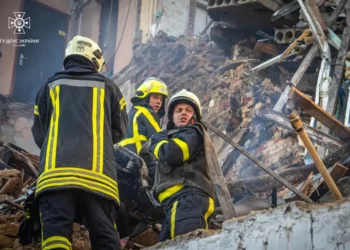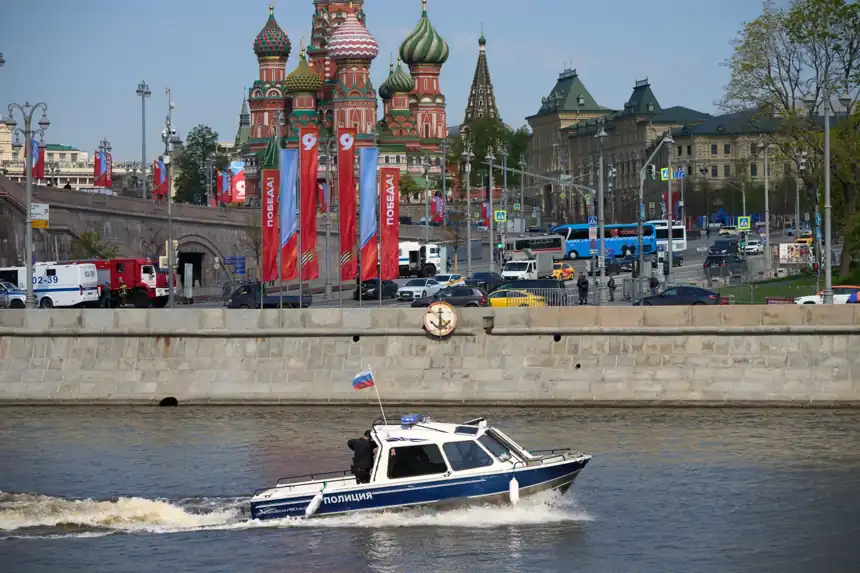
Russia says Ukraine launched one of the largest drone attacks of the war overnight, dramatically escalating tensions days before Moscow’s annual Victory Day commemorations and further dimming prospects for near-term ceasefire efforts between the two countries.
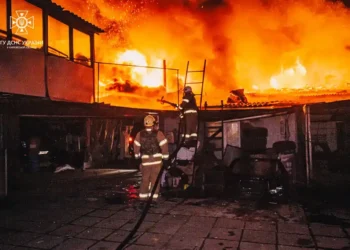
According to Russia’s Defense Ministry, air defenses intercepted 347 Ukrainian drones across more than 20 Russian regions, including repeated strikes targeting Moscow and surrounding areas. The attack came shortly after the Kremlin rejected a broader Ukrainian ceasefire proposal, instead announcing its own limited unilateral truce tied to Victory Day celebrations marking the Soviet defeat of Nazi Germany in World War II.
Russian authorities described the overnight barrage as Ukraine’s second-largest aerial drone assault since the full-scale invasion began more than four years ago. Flights at Moscow’s major airports — Sheremetyevo, Domodedovo and Vnukovo — were disrupted as air defenses responded to incoming drones around the capital.

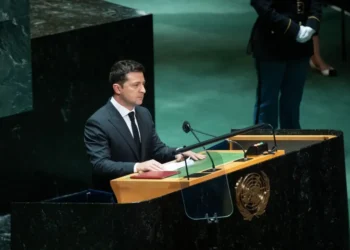
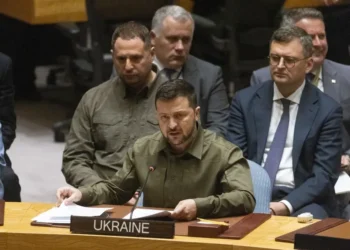
Ukrainian officials did not immediately claim responsibility for the attacks, but President Volodymyr Zelenskyy accused Moscow of continuing military operations despite Kyiv’s earlier ceasefire offer. Reuters reported that Ukrainian authorities said Russian drone and missile strikes continued across Ukrainian territory even after Kyiv proposed a broader truce beginning earlier in the week.
Victory Day Security Concerns Intensify
The attacks have heightened security anxieties surrounding Russia’s Victory Day celebrations on May 9, one of the Kremlin’s most politically symbolic national events.
Russian officials have already scaled back portions of this year’s military celebrations due to fears of Ukrainian strikes. AP and Reuters reporting indicated that Moscow canceled some traditional military parade displays and increased restrictions across the capital, including planned internet shutdowns and tightened security around government buildings.
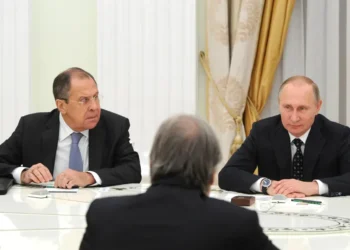
The Kremlin has also warned that any attempt to disrupt the celebrations could trigger severe retaliation. Russian Foreign Ministry officials reportedly advised foreign diplomatic missions and international organizations in Kyiv to prepare for potential large-scale strikes in the Ukrainian capital.
Analysts say the symbolism surrounding Victory Day has increased the political sensitivity of Ukrainian long-range attacks on Russian territory. The holiday occupies a central role in modern Russian state identity and has become increasingly linked to Kremlin narratives surrounding the war in Ukraine.
Drone Warfare Reshapes the Conflict’s Strategic Landscape
The latest strikes underscore how drone warfare has transformed the military balance and geographic scope of the conflict.
Ukraine has steadily expanded its ability to conduct long-range attacks against Russian infrastructure, military facilities and symbolic political targets deep inside Russian territory. Previous operations have targeted refineries, air bases and transport infrastructure hundreds or even thousands of kilometers from the front line.
Security analysts say the growing frequency of such attacks is forcing Russia to devote increasing military resources to domestic air defense operations while exposing vulnerabilities around major cities and strategic facilities.
The Kremlin has repeatedly characterized Ukrainian drone operations as “terrorist attacks,” while Kyiv argues the strikes are legitimate responses to Russia’s continued bombardment of Ukrainian cities and civilian infrastructure. The intensifying drone exchanges have further blurred distinctions between front-line combat and rear-area warfare.
Diplomatic Prospects Continue to Deteriorate
The escalation comes as international efforts to revive peace negotiations remain stalled amid mutual accusations of bad faith.
President Zelenskyy criticized Russia’s proposal for a short ceasefire linked specifically to Victory Day commemorations, describing the approach as inconsistent with broader peace efforts. Reuters reported that Zelenskyy said genuine diplomacy would require a sustained halt to attacks rather than temporary symbolic pauses.
At the same time, Russia has warned that continued Ukrainian strikes on Moscow or key national events could provoke intensified military retaliation. European governments and NATO members are closely monitoring the situation amid fears that expanding cross-border attacks could trigger a broader regional escalation.
With both sides continuing long-range drone operations and no comprehensive ceasefire agreement in place, the conflict increasingly appears locked into a prolonged phase of technological attrition, symbolic targeting and expanding security risks far beyond the immediate battlefield.