A drone strike that sparked a fire near the United Arab Emirates’ Barakah nuclear power plant has sharply escalated tensions in the Gulf, as the United States and Iran signaled they are prepared to resume military operations following the collapse of ceasefire negotiations.
UAE authorities said the strike targeted an electrical generator outside the inner perimeter of the Barakah Nuclear Power Plant in Abu Dhabi’s Al Dhafra region. Officials reported no injuries or radioactive leaks, but described the incident as a “terrorist attack” and launched an investigation into the origin of the drones.
The UAE Defense Ministry said air defenses intercepted two additional drones approaching from the country’s western border, though one managed to hit infrastructure connected to the facility. The attack marks the first known strike involving the UAE’s civilian nuclear program during the ongoing regional conflict linked to Iran and its allied groups.

Regional Conflict Threatens Fragile Ceasefire
The incident unfolded as diplomatic efforts aimed at preserving a ceasefire between Iran, the United States and Israel appeared increasingly fragile.
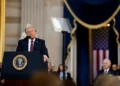
U.S. President Donald Trump warned Iran that “the clock is ticking” for a negotiated settlement, while American and Israeli officials indicated they were prepared to launch further military action if Tehran rejected new proposals tied to its nuclear program and regional operations.
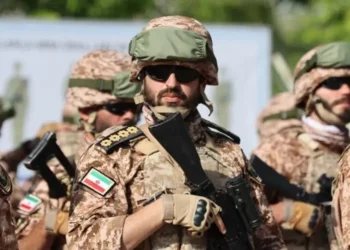
Iranian officials, meanwhile, warned of severe retaliation if additional attacks targeted Iranian territory or military assets. Iranian state media broadcast messages emphasizing military readiness and resistance against what Tehran described as foreign aggression.
The UAE has not formally blamed Iran for the drone strike, though senior Emirati officials suggested either Iran or Iranian-backed proxy groups could have been responsible. Gulf governments have repeatedly accused Tehran-aligned militias of carrying out missile and drone attacks throughout the region since fighting intensified earlier this year.
Nuclear Infrastructure Security Under Scrutiny
The attack has renewed international concern about the vulnerability of civilian nuclear facilities during armed conflicts.

The International Atomic Energy Agency confirmed there had been no radiological impact and said emergency diesel systems had maintained operations at one reactor unit after the strike. IAEA Director-General Rafael Grossi called for “maximum military restraint” around nuclear infrastructure.
The Barakah plant, developed with South Korean assistance, provides roughly a quarter of the UAE’s electricity needs and has long been promoted by Abu Dhabi as a peaceful civilian energy project under international oversight. Officials emphasized that safety systems remained fully operational despite the fire.
Security analysts said the strike reflects a growing trend in modern warfare where critical energy and civilian infrastructure become strategic targets. Experts also warned that attacks involving nuclear-related facilities risk triggering wider international alarm even when no radioactive release occurs.
Gulf Stability and Global Energy Markets at Risk
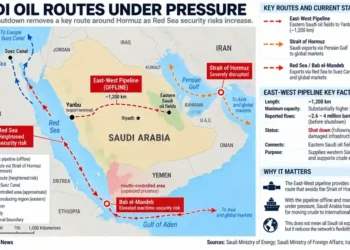
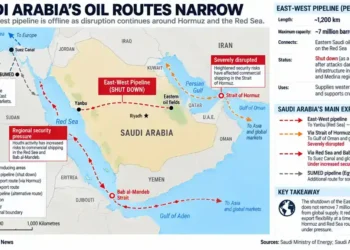
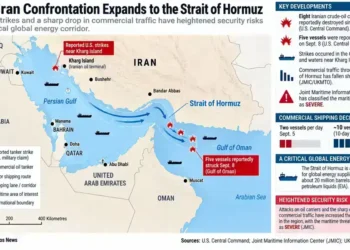
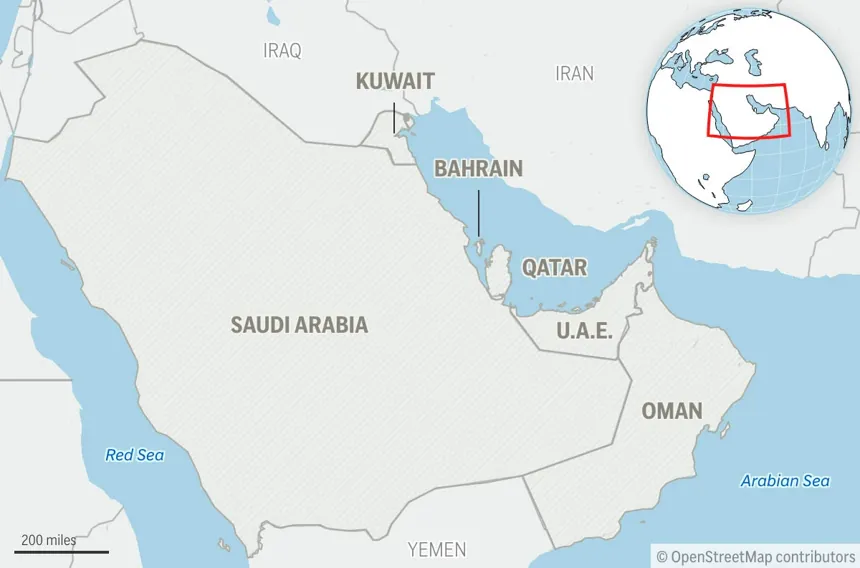
The latest escalation has intensified fears of broader instability across the Gulf region, particularly near the Strait of Hormuz, a vital global oil shipping route.
Recent attacks involving missiles and drones across the Gulf have already disrupted maritime trade and raised concerns among energy markets over supply security. Analysts noted that renewed conflict involving Iran, the United States and regional allies could further destabilize oil exports and international shipping corridors.
The UAE, which hosts American military forces and has expanded defense cooperation with Israel in recent years, has become increasingly exposed to retaliatory attacks connected to the broader regional confrontation.
Diplomatic contacts between Gulf states, Washington and European governments are continuing, though no breakthrough toward a renewed ceasefire had been announced by Sunday evening.