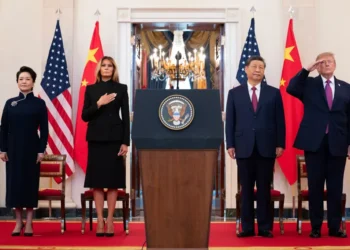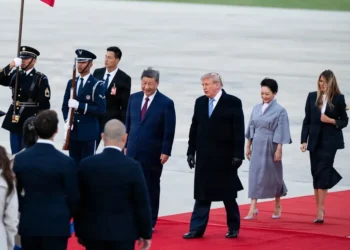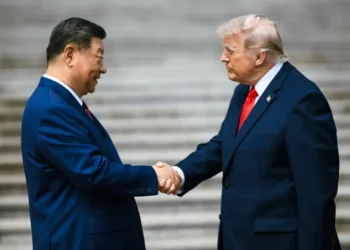
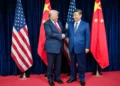
Recent comments by U.S. President Donald Trump describing Taiwan as a “good negotiating chip” in relations with China have heightened political anxiety in Taipei and intensified debate over Washington’s long-term commitment to regional security in the Indo-Pacific. The remarks followed Trump’s high-profile summit with Chinese President Xi Jinping in Beijing and have drawn close attention from governments and analysts across Asia.
In an interview broadcast after his China visit, Trump indicated that a proposed multibillion-dollar U.S. arms package for Taiwan could depend on broader negotiations with Beijing. According to Associated Press and Reuters reporting, Trump suggested the delayed weapons deal represented leverage in ongoing discussions with China over trade and geopolitical issues.
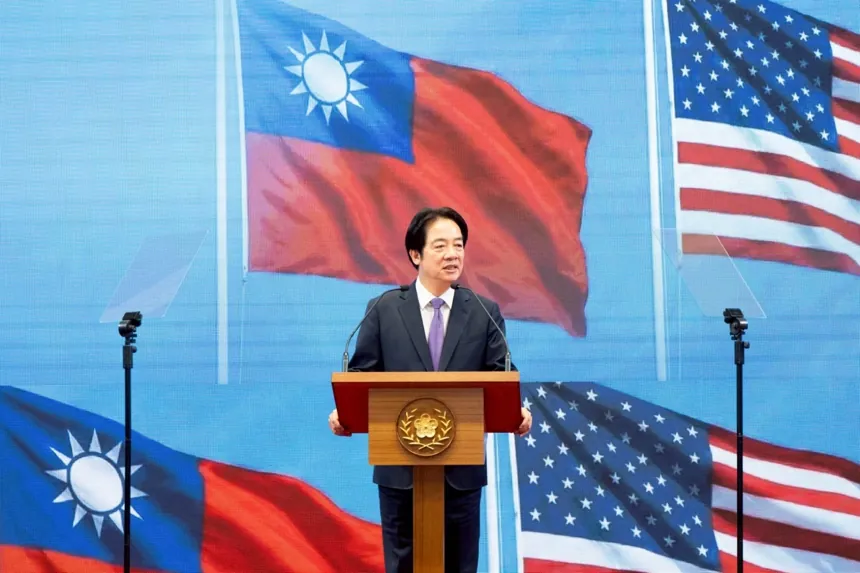
Taiwan’s government responded by reaffirming that U.S. arms cooperation remains essential to preserving stability in the Taiwan Strait. Officials in Taipei stressed that security assistance is grounded in the long-standing Taiwan Relations Act, which commits Washington to helping Taiwan maintain defensive capabilities.

Regional Security Concerns Intensify
Trump’s remarks have fueled concern among security analysts who warn that Taiwan could increasingly become part of broader strategic bargaining between Washington and Beijing. Analysts from international policy organizations noted that uncertainty surrounding U.S. support may embolden China while creating anxiety among regional allies that rely on American security guarantees.
China views democratically governed Taiwan as part of its territory and has repeatedly stated it could use force to achieve unification if necessary. During the Beijing summit, Xi reportedly warned Trump that mishandling the Taiwan issue could lead to “clashes and even conflicts” between the two powers.
Taiwanese officials emphasized that the island’s future should be decided democratically by its own population. Government statements also described China’s growing military activities near Taiwan as the primary destabilizing factor in the region.
Semiconductor Industry Adds Strategic Pressure
The controversy also reflects Taiwan’s growing importance in the global semiconductor supply chain. Trump separately renewed calls for Taiwanese chip manufacturers to expand production in the United States, arguing that critical semiconductor capacity should be relocated closer to American industry.
Taiwan is home to some of the world’s most advanced semiconductor production facilities, making the island central to global technology and manufacturing networks. Analysts often describe this dependence as Taiwan’s “silicon shield,” referring to the strategic importance of its chip industry in deterring regional conflict.
■ Related News
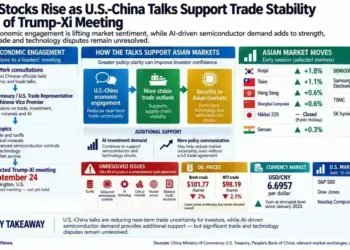
Concerns over semiconductor supply chains have become increasingly linked to geopolitical competition between the United States and China, particularly as both governments seek technological and economic leverage in strategic sectors. Experts noted that any perception of weakening U.S. support for Taiwan could affect investor confidence and regional economic planning.
Diplomatic Ambiguity Faces New Scrutiny
Successive U.S. administrations have maintained a policy of strategic ambiguity regarding Taiwan, balancing support for Taipei with official diplomatic recognition of Beijing under the “One China” framework. However, Trump’s latest comments have renewed questions over whether Washington’s traditional approach may shift toward a more transactional model of diplomacy.
While the White House has stated there has been no formal policy change toward Taiwan, analysts said the remarks could still complicate relations with regional allies including Japan, South Korea and the Philippines, all of which closely monitor U.S.-China tensions.
The issue is expected to remain a central flashpoint in global diplomacy as Beijing continues military pressure around Taiwan and Washington weighs its broader strategic priorities in Asia.