Félicien Kabuga, one of the most prominent suspects linked to the 1994 Rwandan genocide, has died in custody in The Hague, ending one of the last major unresolved prosecutions connected to the mass killings that devastated Rwanda three decades ago. The United Nations court overseeing the case confirmed that Kabuga died while hospitalized in the Netherlands at the age of 91, reigniting international discussion over accountability, delayed justice and the legacy of genocide prosecutions.
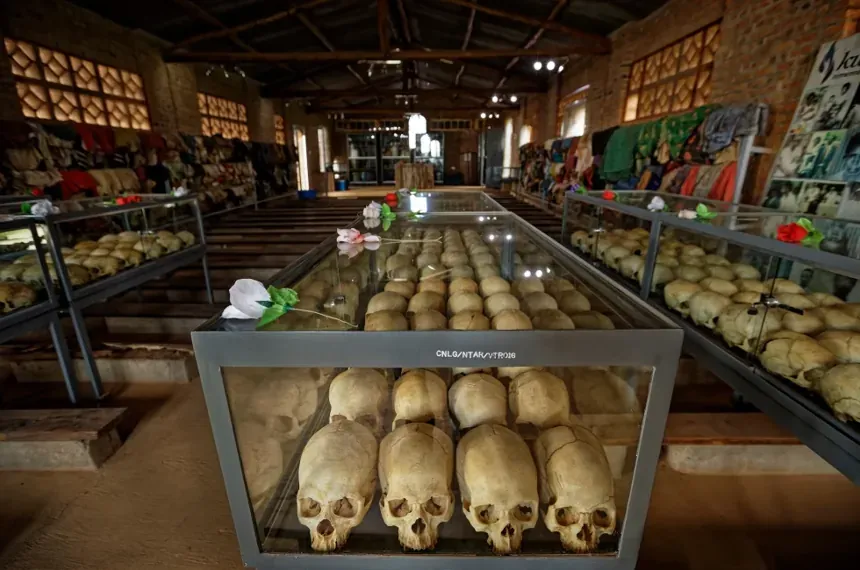
Kabuga had been accused of helping finance and organize the genocide in which extremist Hutu militias killed more than 800,000 Tutsis and moderate Hutus over approximately 100 days in 1994. Prosecutors alleged that the businessman used his wealth and media influence to support militias and spread anti-Tutsi propaganda through the notorious Radio Télévision Libre des Mille Collines broadcaster.
The UN’s International Residual Mechanism for Criminal Tribunals said an inquiry had been ordered into the circumstances surrounding his death. Kabuga had remained under detention in The Hague after judges ruled in 2023 that he was no longer mentally fit to stand trial because of dementia and deteriorating health.

Long Pursuit of a Genocide Fugitive
Kabuga spent more than two decades evading international authorities after fleeing Rwanda following the genocide. He was arrested near Paris in 2020 after a multinational investigation involving French authorities, Interpol and UN prosecutors, bringing an end to one of the world’s longest-running manhunts for genocide suspects.
His arrest was widely viewed as a major breakthrough for international justice institutions pursuing accountability for atrocities committed during the genocide. The United States had previously offered a $5 million reward for information leading to his capture.
Kabuga denied all charges against him and pleaded not guilty when transferred to the UN tribunal system in The Hague. However, medical evaluations later concluded that he suffered from advanced vascular dementia and Alzheimer’s disease, preventing meaningful participation in legal proceedings.
Questions Over International Justice Remain
Human rights organizations and genocide survivors reacted to the news with mixed emotions, with some expressing frustration that a final legal judgment was never reached. Analysts noted that Kabuga’s death underscores the challenges international tribunals face when suspects evade capture for decades before prosecution begins.
The tribunal had attempted to continue a modified legal procedure after suspending the formal trial, allowing evidence to be heard without the possibility of conviction. Legal experts described the arrangement as an unusual compromise between judicial accountability and humanitarian concerns regarding the defendant’s health.




The International Residual Mechanism for Criminal Tribunals, which succeeded the original Rwanda and Yugoslavia war crimes tribunals, continues handling remaining appeals, fugitives and unresolved legal matters tied to some of the world’s most serious international crimes.
Rwanda’s Genocide Legacy Still Shapes Global Policy
The 1994 genocide remains one of the defining atrocities of the post-Cold War era and continues influencing international policy on genocide prevention, peacekeeping and transitional justice. Rwanda’s government has consistently argued that accountability for genocide crimes remains essential to national reconciliation and regional stability.
International observers said Kabuga’s death may renew scrutiny of how global courts handle aging suspects accused of crimes against humanity, particularly in cases involving prolonged delays and health complications. The case also highlighted continuing tensions between legal accountability, victims’ demands for justice and humanitarian considerations for elderly detainees.
Despite Kabuga’s death, historians and legal experts said the genocide’s legacy remains central to global discussions on ethnic violence, hate propaganda and international criminal justice.