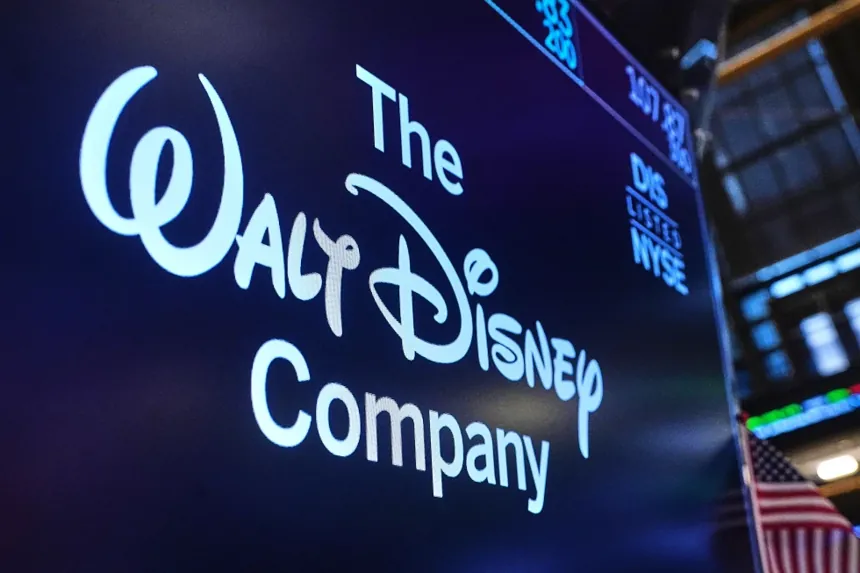
The Walt Disney Company has begun eliminating about 1,000 positions across its global workforce as Chief Executive Josh D’Amaro pushes an early-stage restructuring agenda centered on operational efficiency and organizational agility. The reductions affect television networks, ESPN, film studios, technology, product teams and selected corporate functions, representing less than 0.5% of Disney’s roughly 230,000 employees as of late 2025. The move matters for markets because it signals continued cost discipline across legacy media businesses facing audience fragmentation, slower box-office recovery and rising streaming competition.
Strategic Corporate Shift
The layoffs mark the first major workforce reset under D’Amaro, who took over in February following Bob Iger’s second tenure. According to company communications reviewed by multiple outlets, the restructuring follows January’s consolidation of Disney’s marketing operations into a centralized enterprise structure, a move designed to reduce duplication and speed decision-making across content and consumer-facing units.
From a corporate strategy standpoint, the reductions reflect a broader pivot away from legacy organizational silos toward integrated media, sports and technology workflows. Analysts tracking the global entertainment sector note that companies with large television footprints are increasingly redirecting capital toward streaming profitability, advertising technology and direct-to-consumer engagement rather than maintaining legacy headcount levels.

Industry Competition and Sector Pressure
Disney’s move comes amid a wider contraction across Hollywood and global media groups. Recent workforce reductions at Paramount, Sony Pictures and other studios indicate sustained pressure on traditional television economics, especially as advertising growth slows and cable subscriber losses continue to weigh on margins.
The economic backdrop also reinforces the strategic logic. Media companies are balancing elevated content spending, technology investment requirements and uncertain theatrical revenue trends. By streamlining overlapping support and marketing functions, Disney appears focused on preserving flexibility in higher-growth segments such as sports rights, digital advertising infrastructure and streaming ecosystems.
Financial and Workforce Context
The latest cuts follow earlier restructuring rounds that removed roughly 7,000 to 8,000 roles during Iger’s cost-saving push, which was tied to a multibillion-dollar efficiency target. Relative to Disney’s total workforce base, the latest reduction is modest in percentage terms, but it carries symbolic weight because it arrives early in a CEO transition and reinforces management’s willingness to prioritize margin protection.
For investors and sector observers, the more important signal is not the headcount number itself but the direction of resource allocation. The inclusion of technology and product teams suggests Disney is reassessing where automation, AI-enabled workflows and centralized systems can offset labor intensity while maintaining content distribution scale.
Strategic Outlook
The key business angle is less about the absolute number of layoffs and more about leadership intent. D’Amaro’s early actions suggest a strategy focused on simplifying Disney’s sprawling operating structure while protecting capital for high-return growth verticals, especially sports, parks-linked digital ecosystems and streaming monetization.



Further market attention is likely to center on whether these cuts translate into measurable operating margin gains in upcoming earnings, particularly across Disney Entertainment and ESPN reporting lines.