Last updated: Wednesday, April 15, 2026 | 23:00 UTC
Major Developments We’re Following
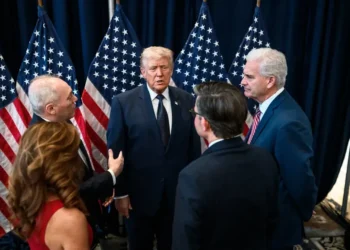
- Possible new U.S.–Iran talks: President Donald Trump said a second round of talks with Iran could take place “within the next two days,” with Pakistan continuing mediation efforts after earlier discussions ended without agreement.
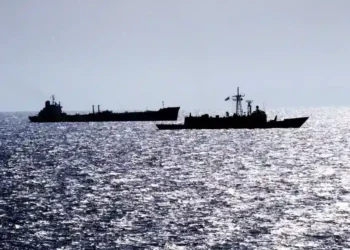
- Hormuz blockade enforcement: The U.S. military said six merchant ships turned back during the first 24 hours of blockade operations targeting Iranian ports, marking the most significant maritime escalation in the standoff so far.
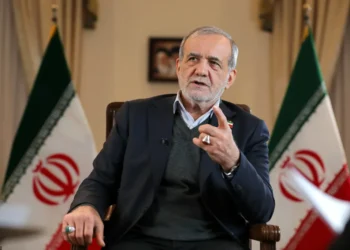
- Iran’s regional warnings: Tehran has warned it may respond against targets across the wider Middle East if U.S. naval enforcement expands, according to Associated Press reporting.
- Oil and shipping disruption: Tanker movements, insurance costs, and freight routes through the Strait of Hormuz remain under pressure as shipping firms continue rerouting vessels.
- Ceasefire deadline pressure: Diplomats are racing to secure progress before the current ceasefire window expires on April 22, a key date that could determine whether the crisis moves toward de-escalation or renewed confrontation.
23:40 UTC — Diplomats Work to Arrange Fresh U.S.–Iran Meeting
Diplomatic efforts are underway to organize a second round of U.S.–Iran talks after President Donald Trump said a new meeting could happen within two days, according to The Associated Press. Pakistan remains involved in mediation efforts following the collapse of earlier nuclear negotiations.
No venue or official participant list has yet been confirmed by either Washington or Tehran.

23:32 UTC — Maritime Insurance Costs Rise Further
Shipping and insurance industry sources said risk premiums for tankers crossing Gulf waters continued to rise as uncertainty around the U.S. naval blockade persisted. Analysts cited by Reuters said insurers were reassessing exposure around the Strait of Hormuz.
23:24 UTC — European Allies Focus on Reopening Shipping Lane
Britain and France are leading preparations for a future multinational maritime mission aimed at reopening commercial passage, Reuters reported. Officials said planning discussions include around 40 countries and focus on navigation safety and sanctions coordination.
23:16 UTC — Tehran Yet to Confirm New Talks Proposal
Iranian officials have not publicly confirmed participation in any new talks despite Trump’s remarks. AP reported that mediation efforts are continuing but no formal diplomatic schedule has been announced.
23:08 UTC — Six Ships Turned Back in First Day of Blockade
The U.S. military said six merchant ships reversed course during the first 24 hours of blockade enforcement around Iranian ports. Reuters reported no vessel had breached the maritime cordon during that period.
23:00 UTC — Oil Markets Remain Highly Volatile
Energy traders continued to monitor tanker movements through the Gulf after crude prices surged on supply concerns linked to the Hormuz crisis. Reuters said the disruption has already pushed oil prices sharply higher.
■ Related News


22:52 UTC — Trump Repeats Call for Open Navigation
Trump reiterated that maritime traffic through Hormuz must remain open, according to AP’s latest live coverage. The White House has continued to frame the blockade as pressure tied to failed nuclear talks.
22:44 UTC — Humanitarian Cargo Exemptions Remain in Place
Reuters reported that humanitarian shipments remain exempt from the blockade after inspection, according to U.S. military officials overseeing the operation.
22:36 UTC — Industry Groups Begin Contingency Coordination
Shipping industry groups and insurers are working with European governments on contingency frameworks for restoring commercial routes once the security situation stabilizes, according to Reuters.
22:28 UTC — Gulf Tanker Traffic Continues to Thin
Maritime tracking services showed fewer tankers entering the Gulf corridor as operators continue rerouting vessels or delaying departures amid security concerns.
22:20 UTC — Pakistan Mediation Gains Diplomatic Attention
The UN Secretary-General praised Pakistan’s mediation efforts, AP reported, as diplomats sought a second round of negotiations.
22:12 UTC — European Leaders Reject Joining Blockade
Reuters reported Britain and France declined U.S. calls to join direct blockade operations, instead focusing on diplomatic and post-conflict navigation security plans.
22:04 UTC — Treasury Pressure Expands on Iran Banking Links
AP reported the U.S. Treasury Department warned foreign banks against maintaining new ties with Iranian institutions during the current standoff.
21:56 UTC — No Confirmation of Iranian Naval Movement
No independent confirmation has emerged of new Iranian naval deployments near the blockade zone, despite earlier U.S. warnings.
21:48 UTC — Energy Importers Call for Safe Passage
Officials from several major oil-importing countries urged all parties to preserve commercial navigation and avoid escalation around the strait.
21:40 UTC — Blockade Targets Iranian Port Traffic Only
U.S. officials said the blockade applies specifically to vessels entering or leaving Iranian ports and not all transit through the strait. Reuters said neutral traffic remains under close watch.
21:32 UTC — European Sanctions Discussions Advance
Diplomatic sources told Reuters that possible sanctions frameworks are being reviewed if Iran continues to obstruct maritime access.
21:24 UTC — Shipping Firms Delay New Gulf Bookings
Several global shipping operators have paused new Gulf bookings pending clarity on the duration of the blockade.
21:16 UTC — Washington Says Pressure Aims at Talks
U.S. officials continue to describe the blockade as leverage to return Tehran to nuclear negotiations, according to AP reporting.
21:08 UTC — No Multinational Naval Mission Yet Confirmed
Although discussions are ongoing, Reuters said no multinational escort or reopening mission has yet been formally authorized.
21:00 UTC — Strait Monitoring Intensifies Across Region
Regional maritime agencies have increased surveillance and vessel reporting requirements as the standoff continues.
20:52 UTC — Gulf Freight Rates Extend Gains
Freight benchmarks for crude carriers rose further in late trading as insurers and shipowners priced in blockade risks.
20:44 UTC — No Breakthrough Reported in Backchannel Talks
Diplomatic sources cited by AP said mediation channels remain open but no breakthrough has yet been reported.
20:36 UTC — Merchant Vessel Diversions Continue
Additional merchant ships altered declared destinations away from Iranian-linked ports, according to maritime monitoring cited by Reuters.
20:28 UTC — European Conference Set for Friday
France and Britain are expected to co-chair a 40-country conference focused on restoring freedom of navigation, Reuters said.
20:20 UTC — Washington Keeps Diplomatic Door Open
Despite military pressure, AP reported the White House continues to signal openness to resumed talks if Tehran agrees to renewed conditions.
20:12 UTC — Commercial Traffic Remains Severely Reduced
Shipping analysts said normal Gulf traffic remains far below seasonal averages amid blockade enforcement.
20:04 UTC — Seafarer Safety Added to Diplomatic Agenda
European officials said crew safety and release protocols are among key issues in upcoming maritime talks.
19:56 UTC — Tehran Maintains Public Silence on Schedule
Iranian authorities have not yet issued a timetable for any resumed negotiations.
19:48 UTC — Oil Buyers Seek Alternative Supply Routes
Asian refiners and European buyers are exploring alternative crude supply options as Hormuz uncertainty continues.
19:40 UTC — U.S. Naval Presence Holds Position
Reuters reported more than a dozen warships and supporting aircraft remain deployed for blockade enforcement.
19:32 UTC — Diplomatic Focus Shifts to Industry Coordination
European planners said cooperation with shipping firms is central to restoring confidence once routes reopen.
19:24 UTC — Washington Awaits Tehran Response
U.S. officials said the next diplomatic step depends on whether Iran responds positively to mediation efforts.
19:16 UTC — No Independent Verification of Counterclaims
Claims by both sides regarding naval intentions near the blockade zone could not immediately be independently verified.
19:08 UTC — Strait Remains Critical Global Focus
The Strait of Hormuz continues to carry strategic importance for global oil supply, keeping international attention fixed on developments.
19:00 UTC — Diplomatic Window Seen as Narrowing
Officials involved in mediation said the next 48 hours may be critical for determining whether diplomacy resumes.
18:52 UTC — Regional Governments Urge Restraint
Multiple governments called for de-escalation and uninterrupted maritime access through international waterways.
18:44 UTC — Tanker Operators Await Friday Talks Outcome
Major tanker operators said future routing decisions may depend on the outcome of Friday’s planned diplomatic conference.
18:36 UTC — Latest Focus Remains Talks vs Blockade Pressure
The central developments remain the prospect of fresh U.S.–Iran talks and continued enforcement of the naval blockade around Iranian ports.
What We Know
- Trump says new U.S.–Iran talks may resume within two days
- Pakistan remains involved in mediation
- U.S. military says six ships turned back
- Hormuz shipping activity remains disrupted
- No final diplomatic schedule has been announced
What We Don’t Know
- Whether Iran has accepted a new talks proposal
- The exact venue and participants
- How long blockade enforcement will continue
- Whether third-party naval escorts will be introduced