Updated – February 23, 2026
A detailed analysis of why select 2025 releases shine on vinyl versus streaming
Standfirst: In 2025, vinyl releases from major and indie artists demonstrate improved fidelity, mastering techniques, and dynamic range, offering an audio experience often superior to digital streams. This review evaluates 20 albums that exemplify the format’s technical and artistic advantages.

The vinyl format has seen a notable resurgence in 2025, not merely as a collector’s novelty but as a medium that can surpass digital streaming in sound quality. Labels and artists have increasingly invested in analog-centric mastering techniques, higher-grade pressings, and dedicated vinyl mixes. This shift reflects both consumer demand for tactile and high-fidelity experiences and a recognition of the technical constraints inherent to compressed digital formats.
Several factors contribute to vinyl’s renewed prominence. Half-speed mastering, AAA workflows, and 180–200g heavyweight pressings have been employed more consistently this year, allowing engineers to preserve dynamic range and transient detail that streaming often flattens. Additionally, separate masters for vinyl releases accommodate the medium’s physical limitations while enhancing low-end punch, stereo imaging, and tonal clarity.
From orchestral pop to metal, electronic, and alt-rock, the albums highlighted in 2025 illustrate the diverse ways vinyl can deliver technical improvements. The selection includes both contemporary releases and reissues, emphasizing how careful mastering and format-specific production choices can transform listening experiences.
Analog Dynamics in Contemporary Pop
Sam Fender’s People Watching exemplifies how analog formats accentuate musical texture. The orchestral and brass arrangements, combined with twanging guitars and layered piano, maintain spatial clarity on vinyl, whereas digital streaming masters often compress these elements. Tracks such as Remember My Name demonstrate that emotional crescendos benefit from extended dynamic headroom, allowing peaks and subtleties to remain perceptible.
Similarly, Lady Gaga’s Mayhem merges dense synth-pop, industrial textures, and funk-infused rhythms. The 180g black vinyl delivers a lower noise floor and a more spacious soundstage, ensuring that her complex arrangements retain clarity. Vinyl reproduces the tonal contrast between aggressive beats and soft instrumental layers, providing a listening experience that supports the album’s theatricality.
■ Related News




Rosalía’s LUX underscores vinyl’s ability to preserve wide acoustic spaces. Orchestral accompaniments and multi-language vocals—featuring collaborations with Björk and Carminho—reveal subtle dynamic nuances that can be flattened in digital streams. Vinyl allows crescendos and pianissimo passages to coexist without distortion, enhancing both clarity and emotional impact.
Progressive and Experimental Rock on Vinyl
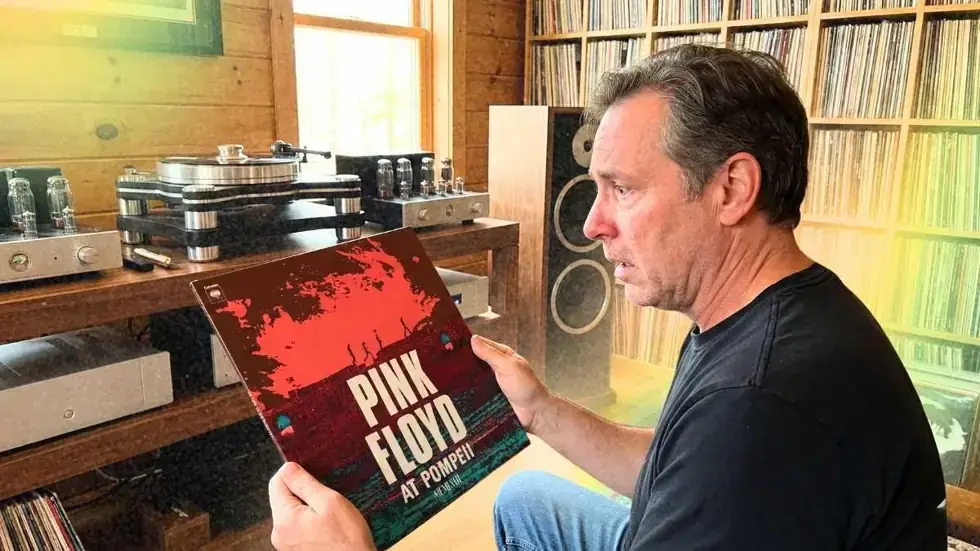
Historical and progressive rock recordings benefit significantly from vinyl’s high-resolution analog properties. Pink Floyd at Pompeii MCMLXXII, remixed and restored by Steven Wilson, illustrates how a spacious live performance can be faithfully reproduced. Vinyl’s warmth and lower compression better capture the natural reverb of the Roman amphitheater and the subtle interplay of guitars and synthesizers.
Steven Wilson’s The Overview demonstrates contemporary progressive rock’s reliance on precise sound design. Half-speed mastering at Abbey Road, combined with careful vinyl cutting, preserves long reverb tails, cymbal clarity, and center imaging. Such attention ensures that ambient textures and slow-building arrangements maintain their intended spatial dynamics.
Stereolab’s Instant Holograms on Metal Film further exemplifies vinyl’s advantage for layered, avant-garde compositions. Motorik rhythms, analog synths, and airy vocals retain fidelity when groove spacing is optimized across multiple LPs, reducing inner groove distortion and enhancing detail resolution.
R&B, Neo-Soul, and Layered Pop
The Weeknd’s Hurry Up Tomorrow leverages vinyl to give low-end frequencies and sub-bass depth that are difficult to reproduce in streaming formats. Orchestral swells and ambient textures occupy a natural headroom, offering a cinematic listening experience. Olivia Dean’s The Art of Loving benefits analog reproduction through enhanced vocal presence, highlighting subtle tonal shifts and acoustic instrumentation that might otherwise be masked digitally.
Twenty One Pilots’ Breach and Sabrina Carpenter’s Man’s Best Friend showcase vinyl’s handling of multi-genre, dynamic arrangements. High-energy alt-rock, rap-infused passages, and electronic elements maintain separation across channels, giving the listener clarity in complex mixes. Vinyl allows drums, synths, and guitars to coexist without collapsing into a congested soundstage.
High-Fidelity Reissues and Collectors’ Editions
Several reissues in 2025 demonstrate that vinyl can preserve and sometimes enhance historic recordings. Black Sabbath’s Paranoid (Rhino High Fidelity) employs AAA cutting and 180g pressings to maintain the original analog stereo dynamics. Drums, bass, and guitar retain their tonal balance without harshness, capturing the essence of early metal.
Steely Dan’s The Royal Scam (Analogue Productions UHQR) uses 45 RPM all-analog mastering to optimize groove fidelity, maximizing dynamic range. This approach is particularly relevant for jazz- and fusion-influenced compositions, where subtle harmonic content and intricate rhythm interplay define the listening experience.
Dr. Dre’s The Chronic benefits from a One-Step lacquer process, preserving G-funk’s thick basslines and synthesizer textures while keeping hi-hat patterns and ad-libs intelligible. Such technical refinements indicate that vinyl can serve both archival and contemporary production purposes.
Genre-Spanning Technical Advantages
From Florence + The Machine’s ethereal, layered gothic pop to Bon Iver’s minimalist, narrative-driven Sable, fABLE, vinyl offers a platform that accommodates wide dynamic swings, tonal subtleties, and spatial depth. Limited editions, gatefold packaging, and multi-disc sets not only enhance collectibility but also allow engineers to distribute content across sides to maintain sonic integrity.
The 25th Anniversary Edition of Slipknot’s self-titled debut illustrates vinyl’s capacity to handle extreme metal. Aggressive percussion, guttural vocals, and dense guitars are rendered with punch and clarity, maintaining the album’s intended sonic impact. Similarly, Talking Heads’ More Songs About Buildings and Food benefits from multiple LPs to optimize soundstage, preserving alternate takes and live recordings without compromising fidelity.
Evaluating Vinyl’s 2025 Impact
Collectively, the 20 highlighted albums illustrate that vinyl’s resurgence is not solely aesthetic. Technical improvements—including half-speed mastering, AAA cutting, and heavyweight pressings—allow analog reproduction to reveal details, dynamics, and spatial cues often subdued in digital streams. Genres from pop and R&B to metal, progressive, and avant-garde benefit differently, but the unifying factor is the preservation of musical intent through format-conscious production.
While streaming remains dominant for convenience and accessibility, the 2025 vinyl releases suggest a model where format choice materially influences the listening experience. High-quality vinyl can function both as a high-fidelity reference medium and as an artistic statement, reflecting the broader trend of renewed investment in analog audio craftsmanship.
Source: Headphonesty – 20 Best Vinyl Releases of 2025 That Deliver More Dynamics and Detail Than Any Other Formats