JOHANNESBURG — South African civil society organizations are warning that reductions in U.S. support for HIV programs are already affecting some of the country’s most vulnerable populations, particularly adolescent girls, young women and other groups at elevated risk of infection.
The concerns come as the United States begins winding down funding provided through the President’s Emergency Plan for AIDS Relief (PEPFAR), a program that has played a central role in South Africa’s response to HIV and AIDS for two decades.
According to the U.S. State Department, the drawdown of most PEPFAR-supported programs is expected to be completed by the end of September, while support for certain critical personnel will continue until March next year.

The transition marks a significant change for South Africa, which has the world’s largest HIV-positive population, with approximately 8 million people living with the virus.
Prevention Programs Among Hardest Hit
Health advocates and civil society groups say prevention services have experienced some of the most immediate disruptions since U.S. funding reductions began.
According to Section27, a South African public interest organization that assessed conditions in several high HIV-prevalence districts, healthcare systems have focused on preserving treatment programs while scaling back preventive services.
Tendai Mafuma, a senior legal researcher at Section27, said maintaining treatment continuity became a priority as funding pressures intensified, leaving prevention initiatives particularly vulnerable.
Programs designed to reduce new infections among young people and at-risk communities have reportedly faced significant challenges as financial support declines.
■ Related News
Job Losses and Service Reductions Reported
The funding changes have also affected organizations that previously relied on PEPFAR support.
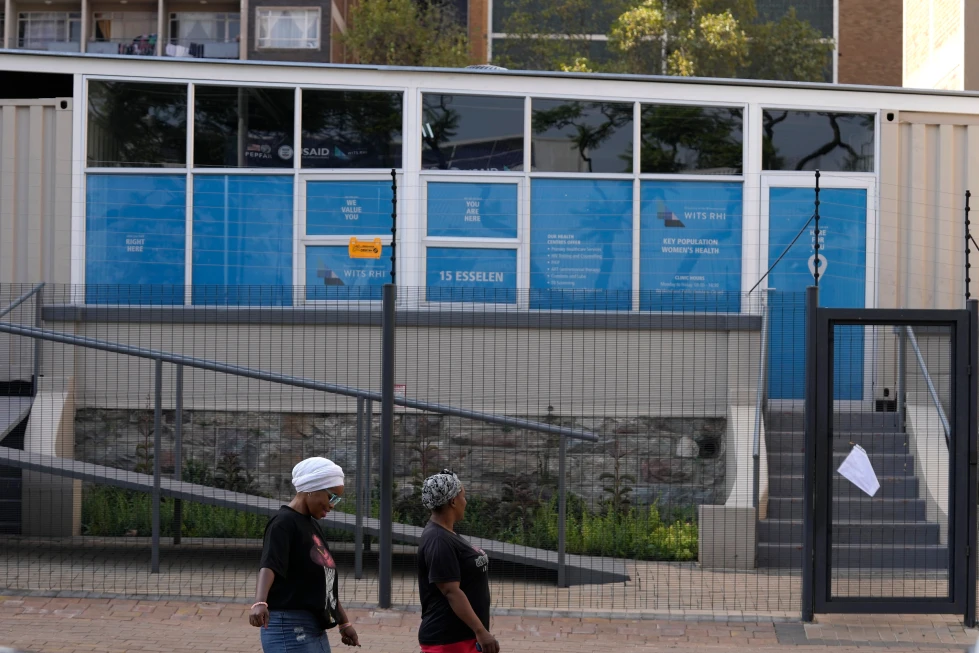
The Anova Health Institute said it has discontinued programs financed through the initiative and has laid off approximately 3,000 healthcare workers since last year.
Dr. Kate Rees, a public health medicine specialist at Anova, said community-based delivery of preexposure prophylaxis, commonly known as PrEP, and other prevention services had been heavily affected.
She noted that outreach programs are often essential for reaching populations that face barriers to accessing traditional healthcare services.
According to Rees, children, adolescents and young adults are among those most affected by the reductions. Other vulnerable groups include men who have sex with men and people who use drugs.
Aid Withdrawal Linked to Broader U.S.-South Africa Dispute
The reduction in HIV-related assistance follows broader U.S. decisions regarding financial support for South Africa.
President Donald Trump announced a suspension of aid to the country in early 2025, citing a range of political concerns.
Among the issues raised by the administration were South Africa’s Black Economic Empowerment policies, land expropriation legislation and the government’s case against Israel before the International Court of Justice.
The administration also expressed concerns regarding public statements and political rhetoric related to the controversial anti-apartheid song “Kill the Boer,” which some interpret as encouraging violence against members of the Afrikaner community.
A U.S. State Department spokesperson told The Associated Press that South African officials had been informed that continued PEPFAR support was tied to addressing several of these concerns.
Government Pursues Self-Reliance Strategy
South African health authorities say preparations for a potential withdrawal of U.S. funding began after the suspension of foreign assistance and the cancellation of certain USAID grants in January 2025.
Health Department spokesperson Foster Mohale said the government has been developing a self-reliance strategy intended to reduce the impact of funding reductions.
According to the government, PEPFAR funding accounted for roughly 17% of South Africa’s HIV program budget. Most antiretroviral medication purchases are financed domestically, while additional support comes from the Global Fund.
Last year, South Africa announced an emergency fund valued at approximately $45 million to help address gaps resulting from the reduction in external assistance.
Long-Term Concerns Remain
PEPFAR has been widely credited with supporting HIV treatment and prevention efforts across Africa and other regions over the past two decades, contributing to substantial reductions in HIV-related deaths and expanding access to lifesaving medication.
While South African officials emphasize that treatment programs remain operational, civil society organizations warn that diminished prevention efforts could have long-term consequences for public health.
Advocates argue that maintaining outreach services for vulnerable communities will be essential if the country hopes to sustain progress in reducing new HIV infections and preserving gains achieved through years of international and domestic investment.
Tags: South Africa, HIV/AIDS, PEPFAR, Donald Trump, U.S. Foreign Aid, Public Health, USAID, Global Fund, Healthcare Funding, Johannesburg, HIV Prevention, Africa Health