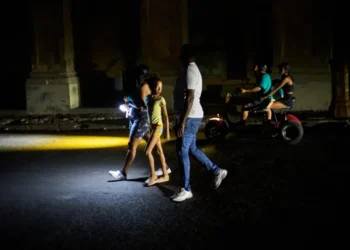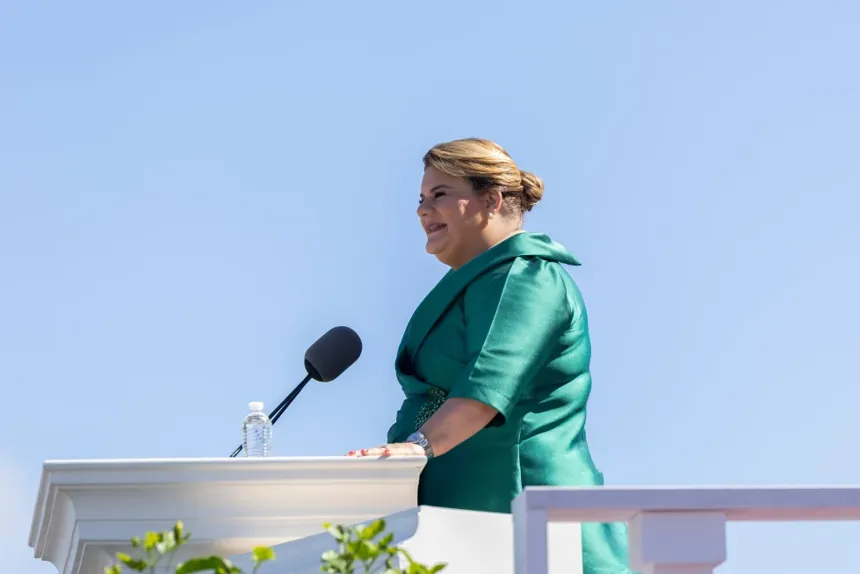
SAN JUAN, Puerto Rico — Puerto Rico Governor Jenniffer González has pledged to expand electricity generation and improve water infrastructure as the U.S. territory continues to face chronic blackouts and prolonged water service disruptions that have fueled public frustration and economic concerns across the island.
In her annual address, González announced plans to add roughly 3,000 megawatts of new power generation capacity through a bidding process expected to conclude later this year. She also said nearly 1,000 additional megawatts would be brought online through repairs and modernization work at existing power plants.
The governor said the additional capacity is intended to reduce recurring outages that continue to affect households and businesses nearly a decade after Hurricane Maria devastated Puerto Rico’s already deteriorating power grid in 2017.

Energy Reliability Remains Central Challenge
Puerto Rico’s electricity system has remained under intense scrutiny because of frequent outages, high consumer costs, and aging infrastructure. González said crews have begun installing Tesla battery systems funded through more than $700 million in federal support, adding that the storage systems are expected to improve grid reliability during peak demand periods.
Officials also confirmed the arrival of temporary power units capable of generating 244 megawatts during periods of high electricity demand. González reiterated support for converting several power plants to natural gas as part of broader energy reforms aimed at lowering electricity costs.
According to U.S. Energy Information Administration data cited by officials, Puerto Rico’s electricity prices ranked among the highest in the United States in 2024, intensifying pressure on policymakers to stabilize the grid and reduce consumer costs.
Political Debate Over Renewable Funding
The governor has faced criticism over support for redirecting $350 million in federal funding that had originally been allocated for rooftop solar and battery systems for low-income households. The funds are now expected to be used to strengthen Puerto Rico’s wider electrical infrastructure.
Humanitarian organizations and energy advocates warned that the decision could affect vulnerable residents who rely on backup electricity systems during prolonged outages and hurricane season. Nearly 200 organizations previously urged authorities to restore the renewable energy funding allocation.
■ Related News




At the same time, González repeated her commitment to cancel the controversial contract held by Luma Energy, the private company responsible for transmission and distribution services on the island. Critics have blamed the company for failing to significantly improve reliability despite ongoing reconstruction efforts.
Water Infrastructure Concerns Intensify
Beyond electricity shortages, González acknowledged serious deficiencies in Puerto Rico’s water infrastructure, with several communities reporting extended service interruptions in recent months. She urged residents to remain patient as reconstruction projects continue.
Analysts note that Puerto Rico’s infrastructure vulnerabilities have become increasingly intertwined with broader economic and governance challenges, including debt restructuring efforts involving the Puerto Rico Electric Power Authority, which still faces more than $9 billion in liabilities.
The island’s infrastructure problems continue to draw attention in Washington, where federal agencies and lawmakers remain involved in long-term recovery and energy modernization initiatives for the Caribbean territory.