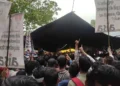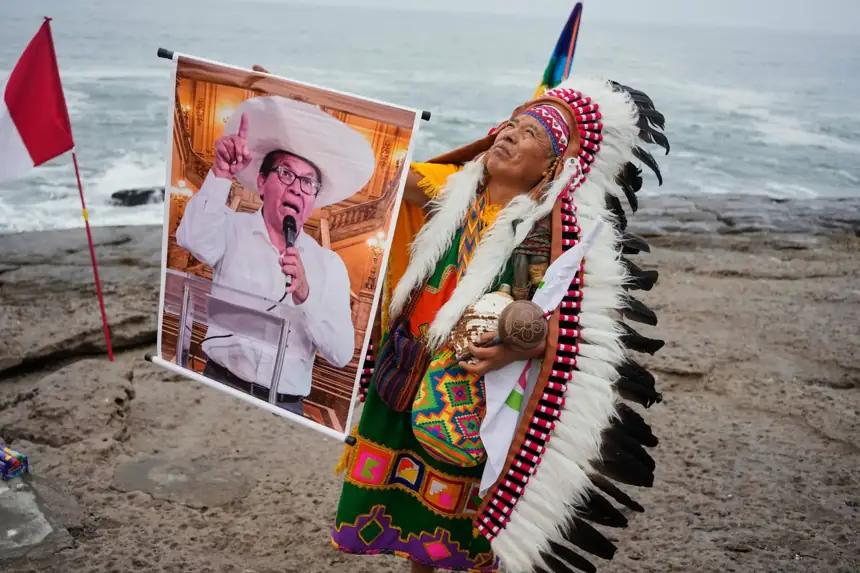
Peruvian shamans gathered on a beach in Lima on Monday to perform a traditional blessing ritual for the two candidates competing in the country’s presidential runoff, a symbolic ceremony taking place as voters prepare for an election that could shape the future of one of Latin America’s most politically unstable nations.
The ritual, held on Herradura Beach in the Chorrillos district of the Peruvian capital, featured shamans carrying posters of presidential contenders Keiko Fujimori and Roberto Sánchez while conducting ceremonies intended to bring guidance and positive outcomes ahead of Sunday’s decisive vote. The event comes as Peru continues to grapple with political turmoil, corruption scandals and frequent changes in leadership.
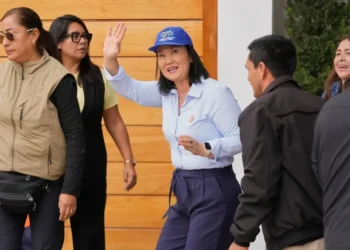
Fujimori, a conservative politician and daughter of former President Alberto Fujimori, faces Sánchez, a nationalist congressman and former government minister, in a closely contested runoff following the first round of voting in April. Polls cited by the Associated Press indicate the race remains highly competitive heading into the final days of campaigning.

Ancient Rituals Meet Modern Politics
The blessing ceremony followed a longstanding tradition observed by some Peruvian spiritual practitioners before major political events and at the beginning of each year.
Shamans participating in the ritual used flower petals, fruit, coca leaves, pieces of palo santo wood, black tobacco, swords and dolls while lighting colorful flares and beating drums along the shoreline. The ceremony blended Indigenous spiritual customs with symbolic gestures intended to promote national well-being and favorable outcomes.
“The ritual we perform is primarily intended to ensure that the best candidate is the one who represents our Peru,” shaman Andrés de los Santos said during the gathering, according to the Associated Press.
While participants did not publicly predict the outcome of the election, some of the shamans involved have previously made forecasts about political developments in Latin America.
Runoff Follows Troubled First Round
The election campaign has unfolded against a backdrop of public frustration with Peru’s political system.
■ Related News

Official election results showed Fujimori received slightly more than 17% of votes in the first round, while Sánchez secured roughly 12% in a crowded field of candidates. The April vote was marked by logistical problems that prevented thousands of Peruvians, both domestically and abroad, from casting ballots, and election authorities required several weeks to confirm the final runoff contenders.
The prolonged counting process added to concerns about institutional stability in a country that has experienced repeated political crises over the past decade.
Political Instability Remains Central Concern
The winner of Sunday’s runoff will become Peru’s ninth president in just ten years, underscoring the depth of political volatility that has affected the South American nation.
The next president will replace interim leader José María Balcázar, who assumed office in February after the removal of another interim president, José Jerí, over corruption allegations. The rapid turnover of leaders has contributed to ongoing questions about governance, public trust and institutional stability.
Corruption scandals have repeatedly led to the downfall of Peruvian presidents and senior officials, making political reform and government credibility important issues for many voters heading into the runoff.
Decisive Vote Approaches
The runoff winner will be sworn into office on July 28 for a five-year term and will inherit a country facing economic challenges, political polarization and widespread demands for stronger governance.
Although the blessing ritual carried symbolic rather than political significance, it highlighted the intense public attention surrounding the election and the uncertainty surrounding its outcome. With both candidates remaining closely matched, the final result remains unclear ahead of Sunday’s vote.
Authorities have not reported major disruptions ahead of the runoff, and electoral officials continue preparations for what is expected to be one of Peru’s most consequential presidential elections in recent years.