The number of Ebola infections in northeastern Congo has climbed to nearly 300, health authorities said, as medical workers who survived the disease shared recovery stories that have become a source of encouragement during one of the country’s most serious outbreaks in recent years.
Health officials reported that the outbreak in Ituri province has reached 297 confirmed and probable cases, with 227 deaths recorded since the virus was declared in January. The figures were released by Congo’s Health Ministry and international health agencies monitoring the spread of the disease.
The outbreak, linked to the Bundibugyo strain of Ebola, has been concentrated around the city of Bunia and surrounding areas in Ituri province. Authorities have continued vaccination campaigns, contact tracing operations and treatment efforts while seeking to prevent further transmission.

Recovered Medical Workers Highlight Progress
Amid continuing concerns over the outbreak, health officials have pointed to the recovery of several frontline medical workers as evidence that early treatment and improved response systems can significantly increase survival rates.
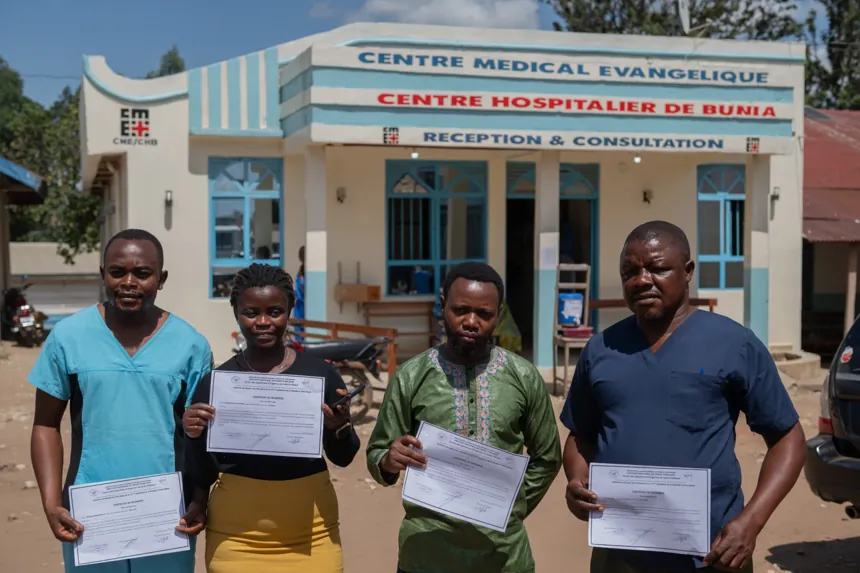
Among those recovering was nurse Béatrice Kambale, who returned to work after receiving treatment at an Ebola care center. Medical teams and local officials described her recovery as an important morale boost for healthcare workers operating in high-risk conditions.
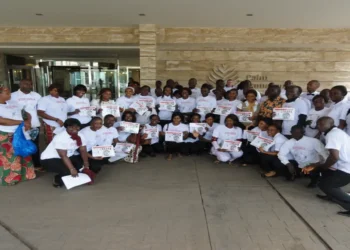
Other healthcare staff who contracted the virus have also been discharged from treatment facilities after recovering, according to local health authorities. Their return to medical duties has been highlighted during public awareness campaigns aimed at encouraging early reporting of symptoms and reducing fear surrounding treatment centers.
Containment Efforts Continue
The Congolese government, working with the World Health Organization and humanitarian partners, has expanded surveillance and response operations across affected communities.
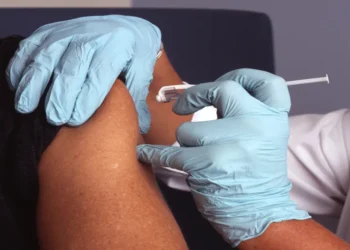
Health authorities said vaccination programs have targeted contacts of confirmed cases and individuals considered at high risk of exposure. Treatment centers have also increased efforts to identify infections earlier, a factor officials say has contributed to improved recovery outcomes among some patients.


The Bundibugyo strain is considered less lethal than some other Ebola variants, though it remains highly dangerous and can spread through direct contact with bodily fluids from infected individuals. The World Health Organization has continued monitoring the outbreak and supporting containment measures in the region.
Humanitarian Challenges Remain
Response efforts have faced logistical difficulties in parts of Ituri province, where insecurity and limited infrastructure have complicated access to some communities.
Health officials said public awareness campaigns remain essential because fear, misinformation and delayed treatment can increase transmission risks. Authorities have worked with local leaders and community organizations to encourage cooperation with contact tracing and medical interventions.
The outbreak has also placed additional pressure on healthcare facilities already dealing with broader humanitarian and public health challenges in eastern Congo.
Signs of Optimism Amid Ongoing Risk
While the number of infections continues to rise, health authorities say the growing number of survivors offers a more hopeful narrative than in some previous Ebola outbreaks.
Recovered patients have increasingly participated in awareness campaigns and public outreach efforts, helping health workers demonstrate that treatment can be effective when care is received early. Officials believe these testimonies may encourage more people to seek medical assistance quickly if symptoms appear.
Despite those positive developments, authorities warned that the outbreak remains active and that transmission risks persist. Health agencies have not publicly indicated when the outbreak could be declared contained, and monitoring operations continue across affected areas. (apnews.com)