A modest oil production increase agreed by OPEC+ nations is being eclipsed by mounting geopolitical disruption in the Middle East, as Iran’s continued control over the Strait of Hormuz constrains global energy flows and amplifies market uncertainty.
Seven major producers—including Saudi Arabia and Russia—approved a collective increase of about 188,000 barrels per day starting in June, according to reporting from The Associated Press. The decision, framed as a step toward market stability, comes amid a severe supply disruption caused by restricted shipping through one of the world’s most critical energy chokepoints.
Strait of Hormuz Disruption Dominates Global Energy Outlook
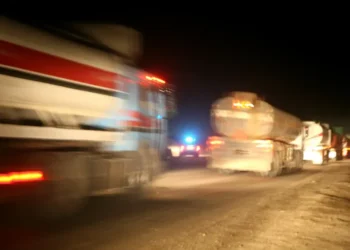
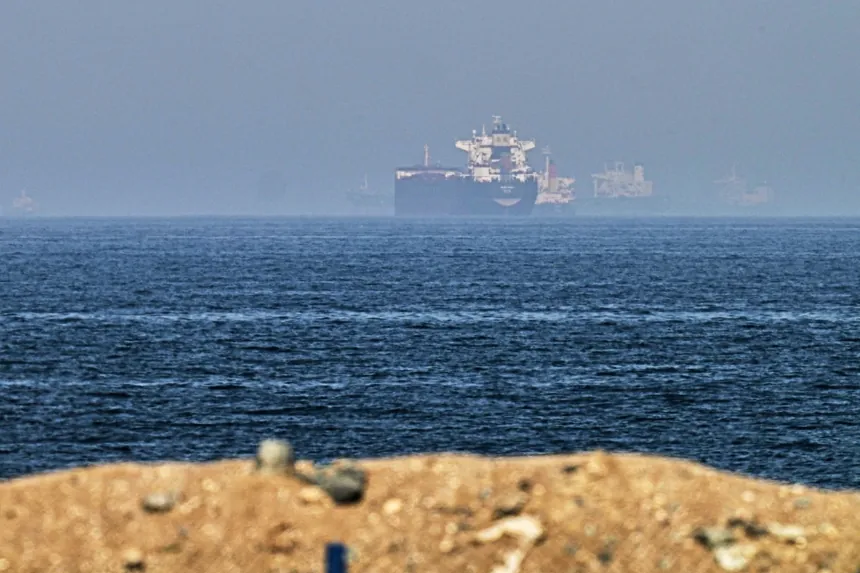
Despite the announced output increase, the broader impact on global supply is expected to remain limited. The Strait of Hormuz—through which roughly one-fifth of global oil and gas typically passes—has seen significant disruption due to Iran’s actions linked to ongoing regional conflict.

Energy analysts note that while producers may raise output quotas, physical constraints on exports mean much of the additional supply cannot reach international markets. This has rendered the increase largely symbolic, reinforcing concerns about prolonged supply shortages and elevated prices.
Strategic Energy Realignment Amid Conflict
The production move reflects efforts by OPEC+ to signal unity and maintain influence during a period of fragmentation and crisis. The recent exit of the United Arab Emirates from the group has further complicated coordination among producers, weakening the bloc’s traditional role in stabilizing markets.
At the same time, the ongoing conflict involving Iran has transformed the Strait of Hormuz into a focal point of global energy security. Control over the passage has allowed Tehran to exert significant leverage over oil flows, intensifying geopolitical competition and raising the stakes for international intervention.
Economic Fallout Spreads Across Global Markets
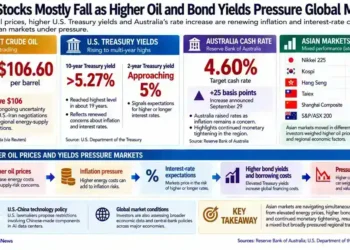
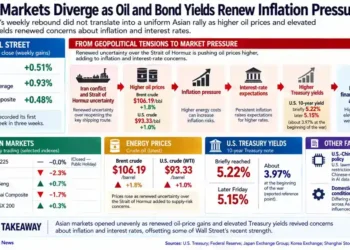
Oil prices have surged amid the disruption, with analysts warning of inflationary pressures and potential fuel shortages in multiple regions. The reduced flow of Gulf exports has already strained supply chains, particularly in energy-dependent economies.
The situation underscores the vulnerability of global energy systems to geopolitical shocks, particularly when disruptions affect critical transit routes. Even modest production adjustments by OPEC+ are unlikely to offset the scale of the supply constraints.
■ Related News

International Response and Uncertain Outlook
Governments and energy markets are closely monitoring developments in the region, as any escalation or prolonged blockage could deepen the crisis. Diplomatic efforts to stabilize the situation remain uncertain, with ongoing tensions limiting prospects for a swift resolution.
While OPEC+ plans to reassess conditions in upcoming meetings, the effectiveness of its strategy will depend largely on whether shipping through the Strait of Hormuz can resume at scale. Until then, the global oil market is expected to remain under significant strain, with far-reaching implications for economic stability and international relations.