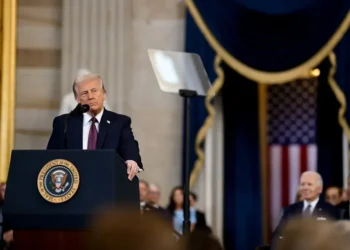
The United States is preparing to assume a direct role in managing commercial maritime movement through the Strait of Hormuz, with President Donald Trump announcing that U.S. forces will begin “guiding” stranded ships starting Monday. The move marks a notable escalation in Washington’s engagement in one of the world’s most strategically sensitive shipping corridors, where tensions with Iran have already disrupted global energy flows.
According to reporting by the Associated Press, the initiative—described by Trump as “Project Freedom”—is intended to assist neutral shipping vessels trapped in the strait amid ongoing hostilities and restricted passage conditions. The announcement comes as the U.S. seeks to stabilize maritime traffic while simultaneously applying pressure on Iran over control of the waterway.
Command Control Expands as Maritime Access Becomes Strategic Battleground
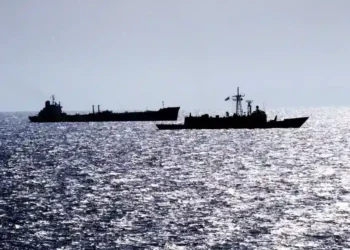
The decision to actively guide commercial vessels reflects a shift from passive naval presence to operational control over shipping routes. U.S. Central Command is expected to deploy significant naval and air assets to oversee movement through the strait, a chokepoint that handles a substantial portion of global energy exports.

The AP reports that the operation may involve destroyers, surveillance aircraft, and thousands of service members tasked with ensuring safe passage. While Washington frames the initiative as a protective measure for “neutral and innocent” countries, it effectively places U.S. forces at the center of maritime traffic management in a contested zone.
This expanded role underscores how the Strait of Hormuz has evolved from a shipping artery into a theater of strategic competition.
Diplomatic Channels Strain as Iran Rejects External Intervention
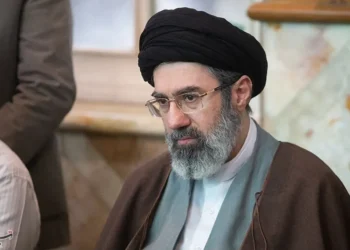
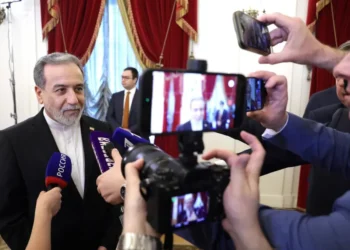
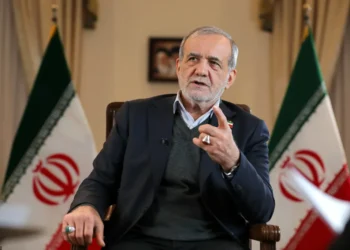
Tehran has pushed back sharply against the U.S. announcement, characterizing it as interference in its asserted jurisdiction over the strait. Iranian officials maintain that passage conditions are tied to broader political and security disputes, including sanctions and military pressure.
Iranian statements cited in regional reporting describe the move as a violation of existing ceasefire understandings, while also reiterating demands for reduced U.S. military presence in the region. The reaction highlights the fragility of ongoing diplomatic exchanges, which have yet to produce a durable framework for maritime de-escalation.
Despite behind-the-scenes communication channels, both sides remain entrenched in competing interpretations of control over the waterway.



Strategic Shipping Routes Turn into Enforcement Zone
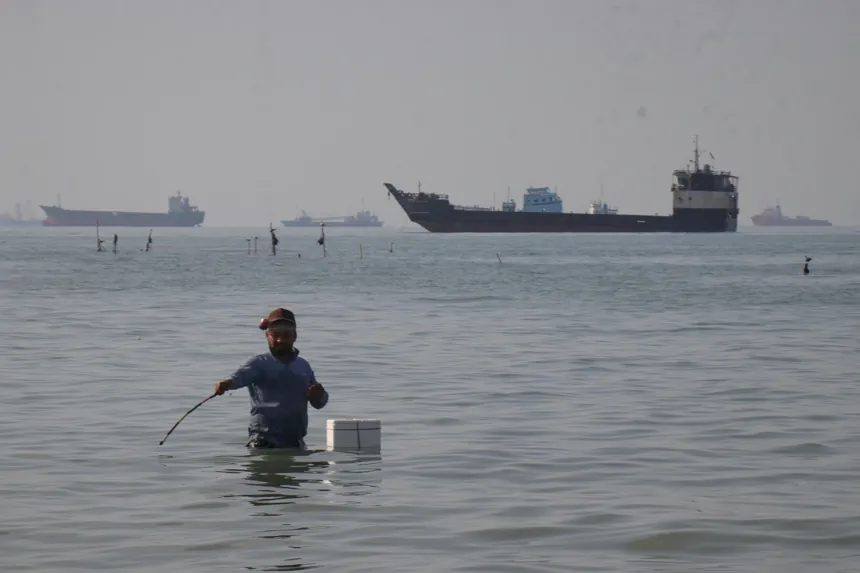
The Strait of Hormuz, through which roughly a fifth of global oil shipments transit, has become a focal point of military and economic pressure. With reports of stranded vessels and intermittent disruptions, the corridor is increasingly functioning under de facto security enforcement rather than standard international navigation rules.
The U.S. move to guide shipping traffic effectively introduces a hybrid model of military escort and traffic coordination, raising questions about long-term implications for commercial shipping autonomy in the region. Analysts note that this type of intervention risks normalizing militarized oversight of key global trade arteries.
Energy Markets and Regional Stability Under Parallel Strain
The operational expansion comes at a time of heightened sensitivity in global energy markets. Any disruption in Hormuz typically has immediate ripple effects on oil pricing and supply chain stability, given its central role in Gulf exports.
While Washington argues that stabilizing navigation is essential for preventing further economic shock, the presence of active military coordination could itself become a source of volatility if tensions escalate further with Iranian forces or affiliated maritime units.
Outlook: Managed Passage or Managed Escalation
The U.S. initiative represents a significant recalibration of how maritime security is enforced in contested waters. By inserting itself directly into the movement of commercial shipping, Washington is assuming both logistical responsibility and strategic risk in a region already marked by fragile ceasefire conditions.
Whether the operation stabilizes maritime flows or deepens confrontation with Iran will depend on how both sides interpret the limits of control in the coming days. For now, the Strait of Hormuz remains not only a shipping chokepoint, but a central pressure point in an expanding geopolitical confrontation.