NEW YORK (JN) – Global oil markets opened sharply higher late Sunday after military strikes involving the United States, Israel and Iran heightened fears of supply disruptions across the Middle East, pushing benchmark crude prices up roughly 8% in early trading.
The spike in oil prices reflects mounting concern that energy shipments from one of the world’s most critical producing regions could be curtailed if hostilities persist. Traders reacted swiftly as attacks targeted sites in Iran and retaliatory strikes hit Israeli territory and U.S. military installations around the Gulf, raising the risk of broader instability along key export routes.
By Sunday evening in New York, U.S. benchmark West Texas Intermediate (WTI) crude was trading near $72 per barrel, up from about $67 on Friday, according to data from CME Group. International benchmark Brent crude rose to around $79 per barrel, climbing from $72.87 at the previous close, FactSet data showed.

The moves marked one of the sharpest single-session advances in recent months and underscored the sensitivity of energy markets to geopolitical shocks in the region.
Strait of Hormuz tensions drive oil prices
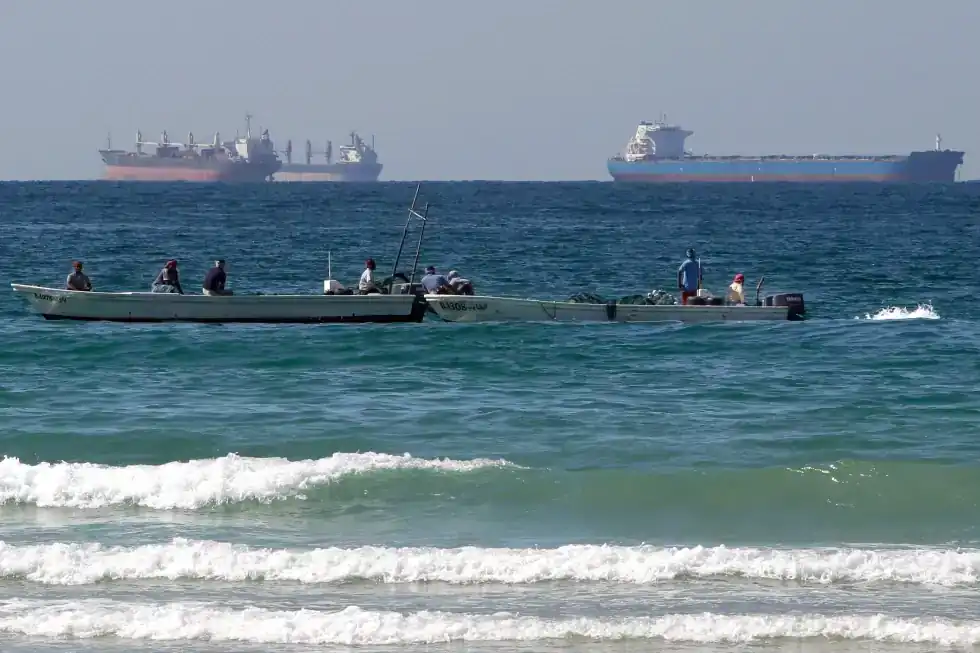
At the center of market anxiety is the Strait of Hormuz, a narrow passage linking the Persian Gulf to the Arabian Sea. Roughly 15 million barrels of crude oil per day — about one-fifth of global supply — transit the strait, according to Rystad Energy. Any sustained disruption there can ripple quickly through global supply chains.
Recent attacks included incidents involving vessels transiting the waterway, heightening fears about the security of tanker traffic. The strait is bordered to the north by Iran and serves as a primary export route for major producers including Saudi Arabia, Iraq, Kuwait, Qatar, Bahrain and the United Arab Emirates.
Energy analysts say markets are less focused on theoretical production capacity and more on whether oil can physically move from producers to buyers. If tankers are delayed or insurers raise premiums due to heightened risk, effective supply can tighten even without formal export bans.
In mid-February, Iran temporarily restricted parts of the strait during what it described as a military drill. That move alone pushed oil prices up roughly 6% in subsequent days, illustrating how quickly markets respond to perceived threats to shipping lanes.
■ Related News


OPEC+ boosts output as markets tighten
Against this backdrop, eight members of the OPEC+ alliance announced Sunday that they would increase crude production beginning in April. The group, led by the Organization of the Petroleum Exporting Countries and key non-OPEC producers such as Russia, said it would raise output by 206,000 barrels per day.
Countries participating in the increase include Saudi Arabia, Russia, Iraq, the United Arab Emirates, Kuwait, Kazakhstan, Algeria and Oman. The production decision had been scheduled before the latest escalation, but it now takes on added significance as markets weigh whether additional barrels can offset potential disruptions.
Jorge León, senior vice president and head of geopolitical analysis at Rystad Energy, said the key issue is not just headline production figures but the ability to transport oil safely. If flows through the Gulf are constrained, additional output may offer limited immediate relief.
Markets appear to agree. Despite the announced supply boost, prices climbed sharply, suggesting traders believe transport risk — rather than production capacity — is the primary concern.
Impact on consumers and inflation
Higher crude prices often feed directly into gasoline and diesel costs, which in turn influence transportation and food prices. A sustained increase could add pressure to households already grappling with elevated living costs in many economies.
Retail fuel prices do not always rise immediately in line with crude benchmarks, but prolonged strength in Brent and WTI typically filters through supply chains. Airlines, shipping companies and manufacturers may also face higher input costs if oil remains elevated.
The latest price moves come at a time when central banks in several major economies are still monitoring inflation closely. Energy is a volatile but influential component of consumer price indices, and renewed oil market stress could complicate efforts to stabilize price growth.
Iran’s exports and global supply balance
Iran exports roughly 1.6 million barrels of crude per day, most of it to China. Any significant disruption to those shipments could prompt refiners to seek alternative supplies, potentially tightening markets further.
While global oil inventories are not currently at crisis levels, spare capacity is concentrated in a handful of Gulf producers. That dynamic leaves markets particularly sensitive to geopolitical developments in the region.
For now, traders are pricing in heightened risk rather than confirmed long-term supply losses. But if attacks expand or shipping through the Strait of Hormuz becomes more constrained, analysts say volatility could remain elevated in the weeks ahead.
Energy markets have historically reacted sharply to instability in the Middle East. The coming days will test whether the current surge represents a short-lived risk premium or the start of a more sustained supply shock.
Source: AP News – Oil prices rise sharply in market trading after attacks in Middle East disrupt global energy supply