Last updated: Monday, March 2, 2026
15:00 UTC — UAE Closes Stock Markets for Two Days
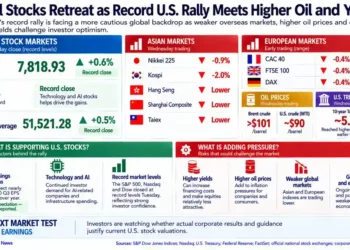
The United Arab Emirates announced that the Abu Dhabi Securities Exchange (ADX) and Dubai Financial Market (DFM) will remain closed on March 2 and March 3, 2026, responding to economic disruption from Iran’s missile and drone strikes across the region, according to Reuters. Gulf markets that opened on March 1 saw sharp losses, and Kuwait suspended trading entirely.
14:30 UTC — Hezbollah‑Israel Exchange Intensifies
Iran‑aligned Hezbollah launched rockets and missiles from Lebanon into northern Israel in retaliation for the killing of Iranian Supreme Leader Ayatollah Ali Khamenei. The Israel Defense Forces (IDF) say they have begun an “offensive campaign” targeting Hezbollah positions in southern Beirut and throughout Lebanon, causing at least 31 reported deaths in Beirut. Lebanese authorities reported injuries but could not yet distinguish civilian vs. combatant casualties.

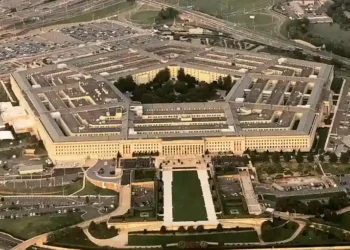
14:00 UTC — U.S. Defense Officials Outline Conflict Aims
U.S. Defense Secretary Pete Hegseth reiterated that the U.S.‑Israeli campaign against Iran is aimed at degrading Iranian missile and naval capabilities, insisting it is not “endless,” though acknowledging ongoing casualties, including four U.S. service members killed so far. He confirmed continued operations under “Operation Epic Fury,” involving strategic bombers and cyber efforts.
13:30 UTC — Iran‑aligned Forces Continue Missile and Drone Strikes
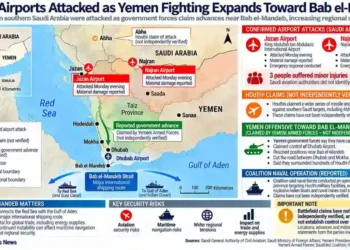
Iran and allied militias have continued launching missiles and drones across the region, hitting Israel and Gulf states hosting U.S. assets, including UAE, Qatar, Saudi Arabia, and others, prompting air defense responses. Some Lebanese and Gulf airports remain impacted after repeated waves of strikes.
13:00 UTC — Global Aviation Disruptions Persist
Major airline disruptions continue, with hundreds of flights cancelled globally as Middle East airspace closures affect key routes. Airlines from the UAE, India, and other countries rerouted or grounded services, marking one of aviation’s most severe interruptions since the pandemic.
12:30 UTC — Diplomatic Strains: Saudi Arabia Summons Iran Envoy
Saudi Arabia formally summoned Iran’s ambassador in response to attacks on its territory and Gulf neighbors, underscoring diplomatic tensions amid the widening conflict. Riyadh condemned the assaults as violations of sovereignty and emphasized readiness to defend national security.
What We Know
U.S. and Israel are conducting coordinated military strikes on Iran, targeting military infrastructure and missile capabilities following initial strikes beginning on Feb. 28.
■ Related News

Iran has responded with widespread missile and drone attacks on Israel, U.S. bases, and Gulf states.
Hezbollah has opened a new front from Lebanon, prompting Israeli counter‑strikes in Beirut.
Regional economic fallout is significant, with UAE markets closed and global aviation heavily disrupted.



What We Don’t Know
Comprehensive, independently verified casualty figures remain incomplete.
Long‑term diplomatic negotiations or ceasefire discussions are not yet public with confirmed details.
16:25 UTC — Israeli Military Confirms Strikes in Southern Lebanon
The Israeli military said it carried out airstrikes targeting positions linked to Hezbollah in southern Lebanon after projectiles were launched toward northern Israel. The statement was released by the Israel Defense Forces and reported by Reuters.
Lebanese state media confirmed explosions in areas near Tyre and Nabatieh. Casualty figures were not immediately available.
15:50 UTC — Iranian State Media Reports Further Missile Launches
Iranian state broadcaster IRIB reported additional missile launches toward what it described as “military targets linked to Israeli operations.”
Israeli defense officials said air defense systems were activated in northern regions. There was no immediate confirmation of impact or damage.
15:10 UTC — US Defense Department Confirms Force Protection Measures
The US Department of Defense said American forces across the Gulf region remain on heightened alert. A Pentagon spokesperson stated that air and missile defense systems are fully operational at US bases in Bahrain, Qatar, and Kuwait.
No additional US casualties were reported following earlier confirmed fatalities, according to a Pentagon briefing.
14:40 UTC — UN Security Council to Convene Emergency Session
The United Nations Security Council will meet in emergency session later Sunday to address the escalating conflict, diplomats confirmed to the Associated Press.
Several member states have called for immediate de-escalation and restraint from all parties.
14:05 UTC — Oil Prices Rise Amid Strait of Hormuz Concerns
Global oil benchmarks rose more than 3% in early trading, according to data from Bloomberg and Reuters, amid concerns over potential disruption to shipping lanes near the Strait of Hormuz.
Maritime security agencies reported no confirmed blockage but noted elevated risk levels.
13:20 UTC — Iranian Government Declares National Mourning Period
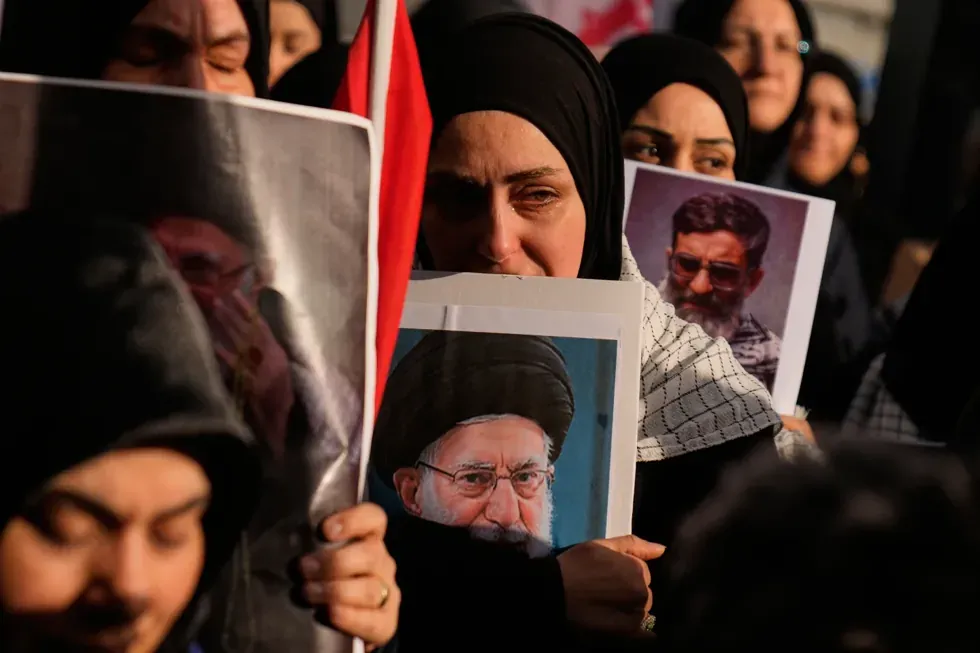
Iranian authorities announced a nationwide mourning period following senior leadership casualties confirmed earlier by state media.
Government spokesperson statements indicated that succession procedures under Iran’s constitutional framework are underway. Independent verification of leadership transitions remains limited.
12:45 UTC — US Secretary of State Calls for Diplomatic Channels
The US Secretary of State said diplomatic backchannels remain open, urging “measured responses” to prevent further regional spillover. The remarks were delivered during a press briefing in Washington.
No direct talks between Washington and Tehran have been publicly confirmed.
11:30 UTC — Hezbollah Signals Continued “Defensive Operations”
Hezbollah said in a televised address that it would continue what it described as defensive operations against Israeli military actions.
Israeli officials said additional cross-border fire was intercepted earlier in the day. Independent casualty verification on either side remains ongoing.
What We Know
• Israeli airstrikes have expanded to targets in Lebanon.
• Iran has confirmed additional missile launches.
• US forces remain on heightened regional alert.
• The UN Security Council is convening an emergency meeting.
• Oil markets are reacting to maritime security risks.
What We Don’t Know
• Full casualty figures across all fronts.
• The scale of further Iranian retaliation.
• Whether diplomatic mediation efforts will materialize.
• The extent of damage to military infrastructure.
Background
The current escalation follows coordinated US and Israeli strikes on Iranian-linked military infrastructure earlier this week, prompting retaliatory actions by Tehran and allied regional groups. The confrontation marks one of the most direct military exchanges between the parties in recent years.