China has blocked Meta Platforms’ planned acquisition of AI startup Manus AI, forcing the unwinding of a deal reportedly valued at around $2 billion and highlighting intensifying restrictions on foreign access to advanced technology. The decision, issued by China’s top economic planning body, signals a broader tightening of oversight in the artificial intelligence sector amid escalating U.S.–China competition.
The ruling requires all parties to withdraw from the transaction following a regulatory review, reflecting Beijing’s concerns about the potential transfer of sensitive AI capabilities overseas. According to reporting by The Associated Press and Reuters, Chinese authorities cited national security considerations tied to technology and data flows, though detailed reasoning was limited.
Regulatory Intervention in Cross-Border AI Deals
The prohibition marks one of the most significant interventions by Chinese regulators in a cross-border technology acquisition. Manus, which operates from Singapore but traces its origins to China, develops general-purpose AI agents capable of executing complex tasks such as coding and market analysis.

Despite Meta’s assurances that the company would have no ongoing Chinese ownership and would cease operations in China, regulators proceeded with the ban. The move reflects Beijing’s expanding interpretation of jurisdiction over companies with Chinese origins, even if incorporated abroad.
Analysts indicate that the decision aligns with broader regulatory efforts to control outbound transfers of advanced technologies and talent. The case also follows earlier scrutiny of the transaction, including restrictions placed on company executives during the review process.
Strategic Implications for Meta
For Meta, the blocked acquisition represents a potential setback in its strategy to accelerate development of AI-driven products. The company had positioned Manus as a key asset in building autonomous AI agents capable of enhancing its platforms and enterprise tools.
Industry analysts note that the startup’s technology could have allowed Meta to expand beyond traditional social media and into broader AI-enabled services. The forced reversal of the deal introduces uncertainty around integration plans and may delay aspects of Meta’s AI roadmap.
Broader Impact on AI Investment Flows
The decision is expected to influence future cross-border mergers and acquisitions involving AI companies, particularly those with ties to China. Analysts cited by Reuters suggest the move may deter similar transactions and reinforce the need for regulatory clearance in deals involving sensitive technologies.




The case also mirrors restrictions imposed by the United States on Chinese technology firms, including export controls and investment limitations. As a result, the global AI landscape is increasingly shaped by parallel regulatory frameworks on both sides.
Geopolitical Context and Market Outlook
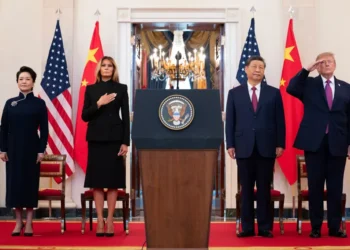
China’s intervention comes amid heightened geopolitical tensions and ahead of high-level diplomatic engagements between Beijing and Washington. The timing has reinforced perceptions that artificial intelligence is becoming a central strategic priority in global economic policy.
Market participants and technology investors are likely to reassess cross-border deal risks, particularly in sectors involving advanced computing, data, and automation. The Manus case underscores the growing role of national security considerations in shaping corporate strategy and international capital flows.
Strategic Outlook
The blocked acquisition highlights a structural shift in how governments approach AI-related investments, with regulatory scrutiny extending beyond domestic borders. As companies pursue global expansion in emerging technologies, compliance with national security frameworks is expected to become a critical determinant of deal viability.
For the AI industry, the outcome signals a more fragmented global market, where access to talent, intellectual property, and capital is increasingly influenced by geopolitical alignment rather than purely commercial considerations.