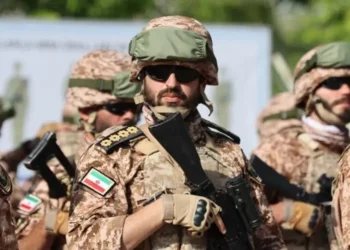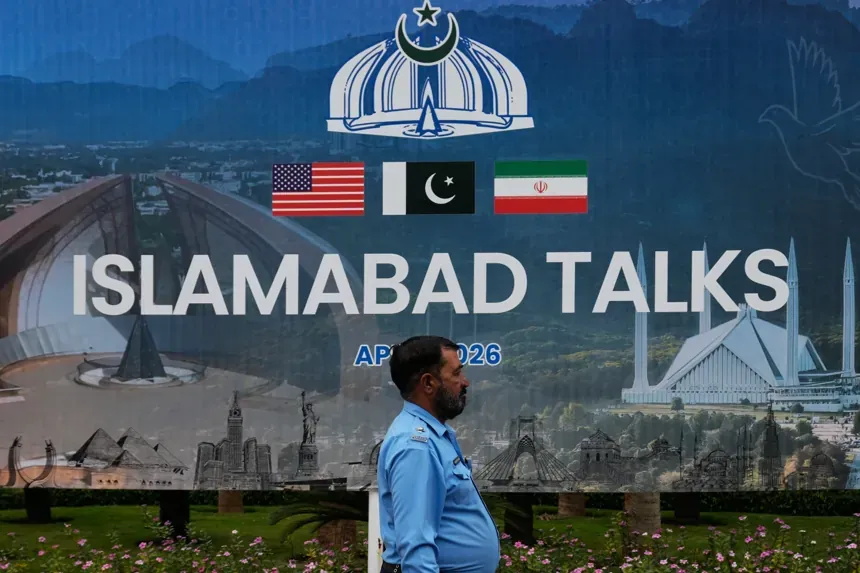
As high-level U.S. and Iranian delegations converged on Islamabad on Saturday, the diplomatic push to convert a shaky ceasefire into a durable settlement entered a more precarious phase, with Tehran signaling new preconditions even before formal talks opened.
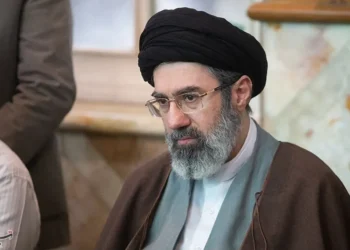
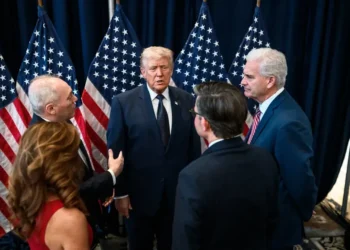
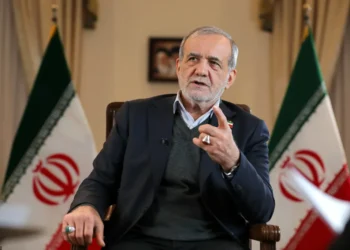
The negotiations, led by U.S. Vice President JD Vance and Iranian Parliament Speaker Mohammad Bagher Qalibaf, are widely seen as the most consequential diplomatic test since fighting between Iran, Israel and allied forces triggered weeks of regional instability. Yet the atmosphere surrounding the talks was immediately darkened by simultaneous Israeli strikes in southern Lebanon and Hezbollah rocket fire into northern Israel, underscoring how battlefield developments are now directly shaping the diplomatic track.
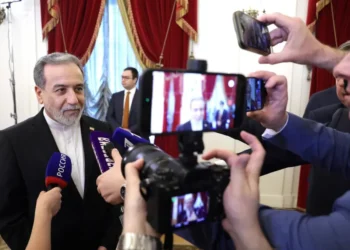
As first reported by the Associated Press, Iranian officials indicated discussions would proceed only if Israel observes a ceasefire in Lebanon and blocked Iranian assets are released, adding a new layer of leverage that could complicate Washington’s negotiating calculus.

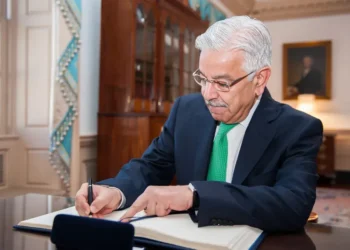
Pakistan, positioning itself as the key intermediary, has moved to elevate the talks into a regional diplomatic summit, with Prime Minister Shehbaz Sharif expected to meet Iranian negotiators ahead of the U.S.-Iran session.
New Preconditions Shift the Diplomatic Center of Gravity
What had been framed as ceasefire consolidation talks now risks evolving into a broader negotiation over regional conflict architecture.
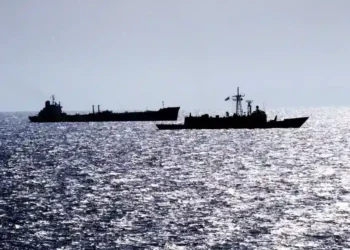
By linking U.S.-Iran discussions to parallel violence involving Hezbollah and Israel, Tehran appears to be widening the scope of diplomacy beyond the original ceasefire terms. The move increases pressure on Washington to manage multiple fronts simultaneously: maritime security in the Strait of Hormuz, de-escalation in Lebanon, and the political optics of sanctions-linked financial concessions.
This diplomatic broadening may strengthen Iran’s bargaining position, particularly after its recent use of Hormuz shipping access as strategic leverage over global energy markets.
The risk for U.S. negotiators is that talks designed to stabilize one conflict theater become tied to escalation cycles elsewhere.
■ Related News


Regional Violence Tests the Credibility of the Islamabad Channel
The diplomatic symbolism of Islamabad was overshadowed within hours by reports from Lebanon’s state media that Israeli airstrikes killed three people in Nabatiyeh province after hitting a residential structure.
Hezbollah responded with a rocket barrage aimed at a military installation in northern Israel, a reminder that local escalation could rapidly erode whatever political space negotiators are trying to create in Pakistan.
This creates a dangerous sequencing problem: the success of talks may now depend less on the negotiating table itself and more on whether military actors outside Pakistan refrain from altering realities on the ground.
The diplomatic fallout is particularly acute because Tehran’s new conditions effectively make Lebanon violence part of the negotiation framework, whether Washington intended it or not.
Pakistan’s Mediator Role Gains Strategic Weight
Islamabad’s unusually heavy security posture and the creation of a dedicated international media center point to Pakistan’s effort to institutionalize its role as a credible intermediary rather than a one-off host.
Road closures, movement restrictions and high-level receptions involving Foreign Minister Ishaq Dar and Army Chief Field Marshal Asim Munir signaled that Pakistan’s military and civilian leadership are jointly invested in the talks’ success.
That matters geopolitically.
Pakistan’s emergence as the venue for U.S.-Iran engagement suggests regional powers are increasingly seeking diplomatic buffers outside Gulf channels traditionally dominated by Oman, Qatar or European intermediaries.
If the talks hold, Islamabad could strengthen its standing as a crisis-management capital in South Asian and Middle Eastern diplomacy.
Energy Markets and Global Confidence Remain Exposed
Financial markets reflected how closely diplomacy is now tied to economic confidence.
Oil prices eased slightly ahead of the talks, but volatility remains elevated because Iran’s leverage over the Strait of Hormuz continues to shadow every diplomatic move. Even the suggestion that maritime tolls, access controls or renewed disruptions could re-emerge is enough to unsettle shipping insurers, commodity traders and central banks.
With U.S. inflation already pressured by higher fuel prices, the diplomatic stakes now extend well beyond regional security.
A failed Islamabad round would likely have immediate spillover effects on crude benchmarks, inflation expectations and broader global risk sentiment.
Diplomacy Now Faces a Narrower Margin for Error
The Islamabad talks were meant to move the conflict from temporary pause to structured settlement.
Instead, they open under the weight of new Iranian conditions, active Israel-Hezbollah exchanges, and unresolved disputes over maritime leverage.
That leaves diplomacy operating inside a shrinking window where military developments can outpace negotiators.
The immediate question is no longer whether talks begin, but whether diplomacy can stay ahead of the conflict’s expanding list of political demands.