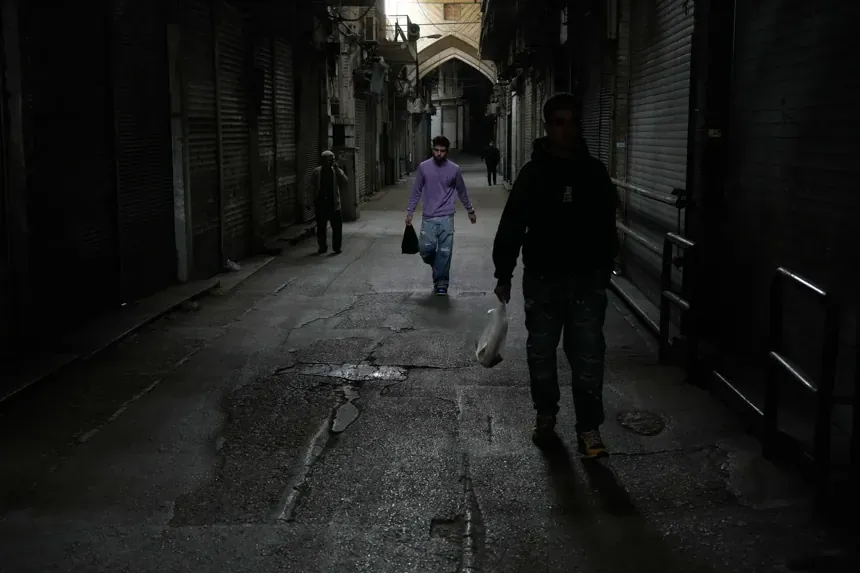
The halt in airstrikes has not translated into stability for families across Iran, where prolonged school closures are emerging as a central pressure point in civilian life. What initially appeared to be a temporary wartime adjustment is now evolving into a deeper strain on households, exposing gaps in preparedness and raising questions about the state’s capacity to restore normalcy.
According to reporting by The Associated Press, parents and students remain caught in a cycle of disruption even after the immediate threat of bombardment has receded. The absence of a clear timeline for reopening schools has compounded anxieties, shifting the crisis from physical सुरक्षा concerns to longer-term social and institutional stress.
Education Disruptions Deepen Household Pressures
For many families, the closure of schools has created a cascading set of challenges that extend well beyond missed lessons. Parents are forced to balance work obligations with childcare, while students face prolonged academic uncertainty. In urban centers, where dual-income households are common, the disruption has translated into lost productivity and increased financial strain.

This evolving dynamic signals a shift in the crisis: from immediate survival during airstrikes to sustained pressure on everyday life. The longer schools remain closed, the more the disruption risks embedding itself into the social fabric, particularly for younger students whose routines have already been repeatedly interrupted in recent years.
State Capacity Faces Quiet Test
The inability to swiftly resume education highlights a broader institutional challenge. While authorities have emphasized safety considerations, the prolonged shutdown raises concerns about logistical readiness and crisis management frameworks. The education system, often viewed as a stabilizing pillar during national emergencies, is now under scrutiny for its delayed recovery.
This situation reflects a more subtle form of strain—one that does not manifest in visible destruction but in institutional slowdown. The challenge for officials is not only reopening schools but doing so in a way that restores public confidence and signals a return to functional governance.
Psychological Toll Expands Beyond Immediate Conflict
The extended absence of structured schooling is also amplifying psychological stress among children and parents alike. Families report heightened anxiety, with uncertainty replacing the acute fear that dominated during the airstrikes. The lack of routine has left many children disengaged, while parents struggle to provide stability in an environment that remains unpredictable.
This phase of the crisis underscores a broader reality: the impact of conflict does not end when hostilities pause. Instead, it evolves into less visible but equally consequential forms of stress that can persist long after the last strike.




Economic Friction Intensifies at the Household Level
The ripple effects are increasingly visible in household economics. Parents missing work, increased spending on alternative childcare, and the absence of reliable schooling are combining to strain already pressured budgets. For lower-income families, the situation is particularly acute, as limited resources leave little room to absorb prolonged disruptions.
This economic friction, while decentralized, carries wider implications. If sustained, it risks feeding into broader dissatisfaction and eroding resilience at a community level.
Uncertain Path to Normalcy Raises Strategic Questions
The continued closure of schools, even in the absence of active airstrikes, points to a deeper uncertainty about the trajectory of stability. Without a clear reopening strategy, families are left navigating an open-ended disruption, one that complicates planning and undermines confidence in near-term recovery.
The situation now extends beyond education policy into the realm of governance and public trust. Reestablishing routine schooling is no longer a logistical task alone—it has become a test of institutional responsiveness under pressure.
As Iran moves further from the immediate phase of military escalation, the focus is shifting toward how effectively it can manage the secondary consequences of conflict. For many families, the reopening of schools will serve as a tangible indicator of whether stability is truly returning—or remains out of reach.