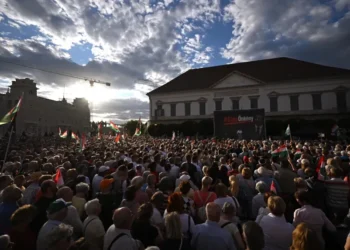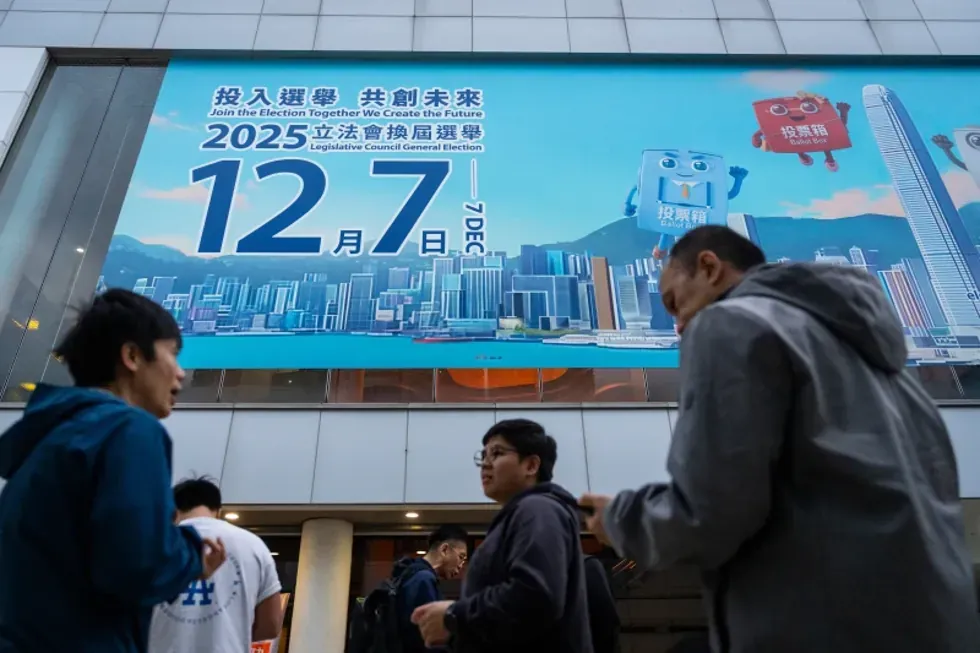
HONG KONG (Journos News) – Hong Kong’s legislative election on Sunday saw nearly a third of registered voters casting ballots, a slight increase from 2021. The vote followed a deadly apartment fire that killed at least 159 people and raised concerns about government oversight. Observers say the results highlight a cautious electorate operating under a system dominated by Beijing-aligned candidates.
The city’s 90-seat legislature now excludes opposition parties, reflecting tighter control from Beijing. Despite government campaigns to boost participation, turnout remained below historical levels, revealing ongoing public dissatisfaction.
Election Context and Turnout
Approximately 1.3 million voters, or 31.9% of Hong Kong’s 4.1 million registered electorate, participated in Sunday’s election. This was a small rise from the 30.2% turnout in 2021 but well below the 50%+ participation seen before the 2021 reforms. Analysts said the late-January apartment fire likely discouraged many citizens from voting.

The fire, the deadliest in decades, raised questions about building maintenance, government oversight, and suspected irregularities in renovation projects. Campaigning was paused following the tragedy, and authorities ensured polling access for older voters and people with disabilities.
Government Measures and Public Response
Authorities expanded polling stations, extended voting hours, and promoted candidate forums in the lead-up to the election. Banners and subsidies aimed to help citizens participate. Law enforcement also arrested individuals accused of posting content urging others not to vote or to cast invalid ballots.
City leader John Lee described the smooth conduct of the election as significant and said lawmakers were expected to support reforms after the fire. However, observers noted widespread skepticism about government handling of the tragedy, which likely limited turnout gains.
Electoral System Under Beijing Oversight
The 2021 electoral overhaul reduced direct public influence. Now, only 20 of the 90 legislative seats are elected by the general electorate. Forty seats are selected by a pro-Beijing committee, while 30 represent major industries such as finance, healthcare, and real estate, with members electing their own representatives.
All candidates must meet “patriots only” criteria, effectively excluding opposition parties. This ensures alignment with Beijing’s policy agenda and narrows the political spectrum. Olympic fencing champion Vivian Kong won a seat in the tourism sector despite lacking industry experience, illustrating the focus on loyalty over expertise.




Analysts on Turnout and Political Climate
Ho-fung Hung, a political economy professor at Johns Hopkins University, said turnout remained below pre-reform levels, even though it increased slightly from 2021. He added that the fire contributed to voter hesitation but allowed the government to frame participation as a modest achievement.
John Burns, honorary professor at the University of Hong Kong, noted that the election exposed persistent polarization. About 60% of pro-democracy voters did not participate, reflecting frustration with governance and limited political choice.
China’s Oversight and Media Warnings
Before the vote, Beijing’s national security office summoned representatives from foreign media outlets, including The Associated Press. Officials warned against interference and cited misinformation about disaster relief and election coverage. Authorities emphasized that media must comply with Hong Kong’s national security laws.
The government has also warned citizens against using the fire to undermine authorities. At least one person was arrested for allegedly inciting public anger against officials. Beijing welcomed the slight increase in turnout as a positive sign of support for the electoral process.
Source: AP News – Hong Kong voter turnout rate edges up despite public anger over deadly fire