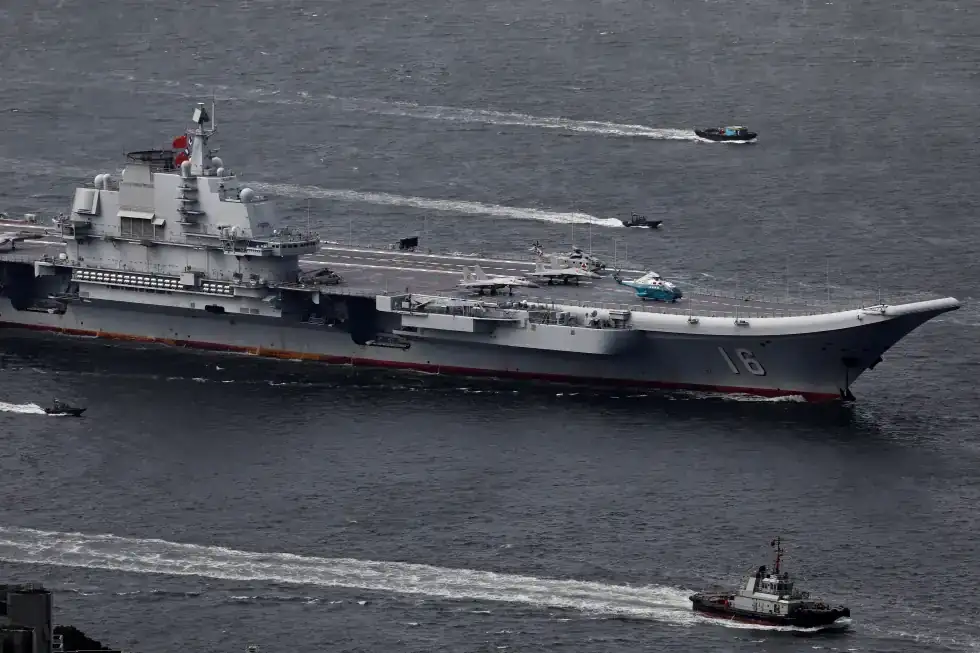
TOKYO (Journos News) – Japan has lodged a formal protest after a Chinese military jet locked its fire-control radar onto Japanese fighter aircraft during operations in the Pacific, an incident Tokyo described as dangerous despite what it said was a safe operating distance between the planes. The episode marks a further deterioration in already strained ties between Asia’s two largest economies.
According to Japanese officials, the radar lock occurred as Chinese carrier-based aircraft conducted training near Okinawa. While no injuries or airspace violations were reported, the use of targeting radar is widely regarded in military aviation as a serious escalation risk because it can precede weapons engagement.
The dispute unfolds against a backdrop of heightened regional tensions, including friction over Taiwan and expanding military activity across the Western Pacific.

Radar lock near Okinawa prompts formal protest
Chief Cabinet Secretary Minoru Kihara said Monday that Japan’s Self-Defense Force (SDF) aircraft were maintaining a safe distance during their mission and rejected Beijing’s allegation that Japanese jets interfered with Chinese operations.
“China’s claim that SDF aircraft severely obstructed their safe flight is untrue,” Kihara told reporters in Tokyo.
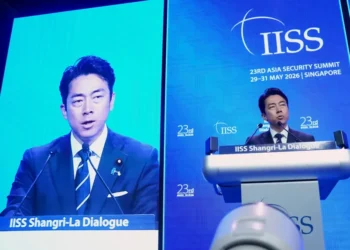
Defense Minister Shinjiro Koizumi described the incident as “extremely regrettable” and “dangerous,” saying it exceeded what was necessary for safe aircraft operations. He confirmed that Japan had lodged a strong protest and demanded preventive measures.
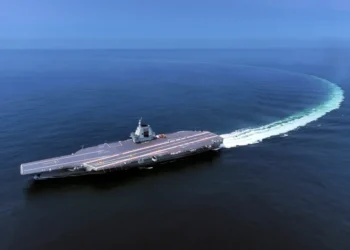
Japan’s Defense Ministry said a Chinese J-15 fighter jet launched from the aircraft carrier Liaoning near the southern island of Okinawa on Saturday. The J-15 allegedly locked its radar intermittently onto Japanese F-15 fighter jets twice — for about three minutes in the late afternoon and for roughly 30 minutes later in the evening. Officials did not clarify whether the same Chinese aircraft was involved in both instances.
Japanese jets had been scrambled in response to Chinese takeoff and landing exercises in the Pacific. There was no reported breach of Japanese airspace, and no damage or injuries resulted.
■ Related News
In military aviation, locking fire-control radar onto another aircraft is considered a significant action because it can signal preparation for a missile launch. Even if no weapons are fired, such maneuvers can heighten the risk of miscalculation.
Beijing accuses Japan of harassment
China rejected Japan’s account. Senior Colonel Wang Xuemeng, a spokesperson for the Chinese navy, defended the flight training near Miyako Island and said the exercises had been announced in advance.
Wang accused Japanese aircraft of “harassment” and urged Tokyo to “strictly restrain its frontline actions,” according to a statement posted on China’s Defense Ministry website. He added that the Chinese navy would take necessary measures to safeguard its security and rights.
Kihara emphasized the importance of communication between the two sides but declined to say whether a bilateral maritime and aerial communication hotline established in 2018 had been activated during the episode. That mechanism was designed to reduce the risk of unintended clashes in contested areas.
The incident is believed to be the first publicly reported case of radar lock involving Japanese and Chinese military aircraft. In 2013, a Chinese warship directed fire-control radar at a Japanese destroyer, an episode that similarly drew diplomatic protests.
Broader tensions over Taiwan and regional security
Relations between Tokyo and Beijing have grown more strained in recent months. Prime Minister Sanae Takaichi said in early November that Japan’s military could become involved if China were to take action against Taiwan, the self-governing island that Beijing claims as its own.
Takaichi on Sunday described the radar incident as “extremely disappointing,” adding that Japan would act “calmly and resolutely” while maintaining surveillance around its waters and airspace. Her remarks underscored Tokyo’s balancing act: projecting resolve while seeking to avoid escalation.
The radar lock came as Japan hosted defense talks with Australia. After meeting Koizumi in Tokyo, Australian Defense Minister Richard Marles said Canberra was “deeply concerned” by China’s actions over the previous 24 hours and expected military interactions to be “safe and professional.”
Marles reiterated that Australia does not want to see any unilateral change to the status quo across the Taiwan Strait. He also noted that China remains Australia’s largest trading partner, highlighting the complex economic interdependence that coexists with strategic competition.
During their talks, Japan and Australia agreed to deepen defense cooperation and work toward a comprehensive framework for strategic coordination. Tokyo has been accelerating its military buildup and broadening partnerships beyond its treaty ally, the United States, increasingly describing Australia as a key security partner.
Marles also visited a Mitsubishi Heavy Industries shipyard in Nagasaki to observe production of the upgraded Mogami-class frigate, which Australia selected in September to modernize its fleet.
Rising activity across the Western Pacific
The radar incident was not the only flashpoint in the region over the weekend. The Philippine coast guard said Chinese forces fired flares toward a Philippine fisheries bureau aircraft on patrol in the South China Sea. China routinely uses flares to warn aircraft it considers to be entering its claimed airspace over disputed waters.
Taken together, the episodes reflect intensifying military activity across contested maritime zones in East Asia. While direct conflict remains unlikely, analysts have long warned that close encounters between aircraft and ships increase the risk of accidental escalation.
For now, both Tokyo and Beijing have framed their positions firmly but stopped short of announcing additional retaliatory measures. Whether communication channels can contain future incidents may prove critical as military operations in the region continue to expand.
Source: AP News – Japan protests after China military jet locks radar on Japanese aircraft