Journos News
Monday, July 6, 2026
  • Login
  • Home
  • World
    • Africa
    • Americas
    • Asia
    • Europe
    • Middle East
    • Oceania
  • Politics
  • Business
  • Technology
  • Health
  • Science
  • Sports
  • Entertainment
  • Culture
No Result
View All Result
  • Home
  • World
    • Africa
    • Americas
    • Asia
    • Europe
    • Middle East
    • Oceania
  • Politics
  • Business
  • Technology
  • Health
  • Science
  • Sports
  • Entertainment
  • Culture
No Result
View All Result
Journos News
No Result
View All Result
Home Health

Early Peanut Feeding Helped 60,000 U.S. Children Avoid Allergies, Study Finds

New research confirms decade-old advice on introducing peanuts early in infancy has significantly reduced allergy risk.

The Daily Desk by The Daily Desk
June 15, 2026
in Health, Lifestyle & Wellness
0
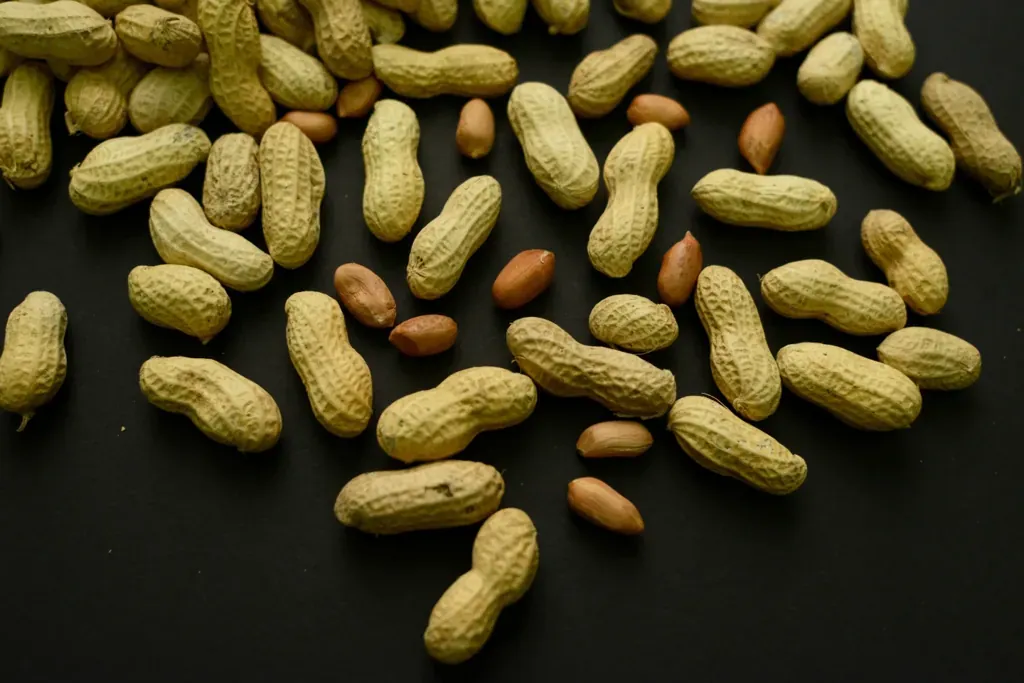
Early Peanut Feeding Helped 60,000 Kids Avoid Allergies, Study Finds - AP Photo/Patrick Sison, File

Pediatricians Say Early Peanut Feeding Cuts Allergy Risk by 40% - AP Photo/Patrick Sison, File

A decade after pediatricians began urging parents to introduce peanuts to babies early in life, new research shows the shift has had a major public health impact. A study published Monday in Pediatrics estimates that around 60,000 U.S. children have avoided developing peanut allergies thanks to updated feeding guidelines introduced in 2015.

Study Finds Major Drop in Peanut Allergies Among Young Children

The study, led by Dr. David Hill of the Children’s Hospital of Philadelphia, analyzed electronic health records from dozens of pediatric practices to track food allergy trends before and after the introduction of the new guidance. “That’s a remarkable thing,” Hill said. “There are fewer kids with food allergy today than there would have been if we hadn’t implemented this public health effort.”

Researchers found that peanut allergies in children ages 0 to 3 dropped by more than 27% after the initial 2015 guidance for high-risk infants, and by more than 40% after broader recommendations were released in 2017. While overall food allergy rates in the U.S. continue to rise—now affecting about 8% of children—the data suggest that the peanut-specific trend has reversed course.

Background: How Early Feeding Became the New Norm

For decades, medical advice discouraged parents from feeding peanuts and other potential allergens to children before age 3. That changed after the 2015 Learning Early About Peanut Allergy (LEAP) trial, led by Dr. Gideon Lack at King’s College London, found that introducing peanut-containing foods to infants as early as 4 months old reduced the likelihood of developing an allergy by over 80%. Follow-up research showed the protective effect persisted into adolescence for roughly 70% of children.

The LEAP trial revolutionized pediatric allergy prevention and prompted new guidelines from U.S. and U.K. health authorities recommending early exposure to peanuts for both high-risk and average-risk infants. The guidance was expanded in 2017 and updated again in 2021 to include all major food allergens such as dairy, soy, and eggs.

RELATED POSTS

Why Scratching Bug Bites Makes Them Worse, According to New Research

WHO Launches Clinical Trial of Two Ebola Treatments as Congo’s Bundibugyo Outbreak Grows

New Jersey Targets Employers With New Medicaid Fee as Other States Consider Similar Policies

Medicaid Work Requirement Guidance Raises Concerns for Patients With Chronic Illnesses

Extreme Weather Anxiety on the Rise as Experts Urge Preparedness and Support

Genomic Test Could Help Millions of Breast Cancer Patients Avoid Chemotherapy

Slow Implementation Among Pediatricians

Despite the strong evidence, adoption of the early-feeding approach has been uneven. Surveys show that only about 29% of pediatricians and 65% of allergists follow the full 2017 guidelines. Many doctors and parents initially questioned whether introducing allergens so early could be done safely outside of controlled clinical trials.

“The data show encouraging progress, but implementation is still incomplete,” said Dr. Ruchi Gupta, a pediatric allergy specialist at Northwestern University, in a commentary accompanying the study. Gupta noted that the dataset may not fully represent all U.S. pediatric populations but nonetheless provides “promising evidence that early allergen introduction is not only being adopted but making a measurable impact.”

Public Health and Parental Education

Food allergy advocates say the findings are an encouraging sign of progress. “This research reinforces what we already know and underscores a meaningful opportunity to reduce the incidence and prevalence of peanut allergy nationwide,” said Sung Poblete, CEO of Food Allergy Research & Education (FARE), a nonprofit that supports the 33 million Americans living with food allergies.


The updated 2021 guidelines recommend introducing peanuts and other allergenic foods between four and six months of age—without the need for prior screening tests. The approach, experts say, can help the immune system build tolerance safely through gradual exposure.

“It doesn’t have to be a lot of food,” Hill explained. “Small tastes of peanut butter, milk-based yogurt, soy products, or nut butters are good ways to help the immune system learn to tolerate these foods safely.”

From Skepticism to Acceptance: A Parent’s Experience

For many parents, the idea of feeding babies peanuts still feels counterintuitive. Tiffany Leon, a Maryland-based registered dietitian and FARE director, introduced peanuts and other allergens early to her sons, James and Cameron, following the updated recommendations. Initially, her own mother was alarmed by the shift in advice.

“At first, she was shocked,” Leon said. “But as a dietitian, I practice evidence-based recommendations. When I saw the science and the new guidelines, I knew this was the right approach.”

Leon says her experience reflects a growing awareness among parents that early allergen exposure can be both safe and beneficial. “It’s a big change from what we were told years ago, but it’s one that’s making a real difference for kids,” she added.

Why Early Feeding Matters

Peanut allergy occurs when the immune system mistakenly identifies peanut proteins as threats, triggering symptoms that range from hives and breathing difficulties to potentially fatal anaphylaxis. In the United States, about 2% of children have a diagnosed peanut allergy—one of the most common and severe food allergies worldwide.

The success of early feeding in reducing peanut allergy risk has inspired similar research into preventing other common allergies. Scientists are studying whether early exposure to milk, eggs, and tree nuts could offer similar protective effects.

Global Health Implications

Experts say the U.S. experience offers valuable lessons for other countries facing rising allergy rates. The World Health Organization and national pediatric associations in Canada, the U.K., and Australia have adopted similar early-feeding guidance, though implementation remains inconsistent across regions and socioeconomic groups.

“This is one of the few clear examples of a population-level intervention changing the trajectory of a chronic condition,” Hill said. “It shows what’s possible when science, policy, and clinical practice align.”

Follow JournosNews.com for professionally verified reporting and expert analysis across world events, business, politics, technology, culture, and health — your reliable source for neutral, accurate journalism.
Source: AP News – Advice to feed babies peanuts early and often helped 60,000 kids avoid allergies, study finds

Editorially Reviewed

This article was rewritten and editorially reviewed by Journos News using verified reporting from trusted sources. All content is independently fact-checked and edited for accuracy, neutrality, clarity, and global readability in accordance with the Journos News Editorial Standards.

Opinions, quotes, and statements attributed to contributors, experts, or cited organizations remain those of their respective sources and do not necessarily reflect the views of Journos News. The newsroom maintains full editorial independence from external funders, sponsors, advertisers, and affiliated entities.

Editorial Standards   |   About Journos News

Tags: #AllergyPrevention#ChildHealth#EarlyFeeding#FARE#FoodAllergies#HealthResearch#Immunology#Nutrition#Parenting#PeanutAllergy#Pediatrics#PublicHealth
The Daily Desk

The Daily Desk

The Daily Desk – Contributor, JournosNews.com, The Daily Desk is a freelance editor and contributor at JournosNews.com, covering politics, media, and the evolving dynamics of public discourse. With over a decade of experience in digital journalism, Jordan brings clarity, accuracy, and insight to every story.

Related Posts

Why Scratching Bug Bites Makes Them Worse, According to New Research

by The Daily Desk
July 3, 2026
0
Person scratching a mosquito bite on their arm outdoors - AP Photo/Rick Bowmer, File

WASHINGTON - Many people instinctively scratch a mosquito bite, poison ivy rash, or other itchy skin irritation for immediate relief....

Read moreDetails

WHO Launches Clinical Trial of Two Ebola Treatments as Congo’s Bundibugyo Outbreak Grows

by The Daily Desk
July 3, 2026
0
Healthcare workers at an Ebola treatment center during Congo clinical trial - AP Photo/Moses Sawasawa, File

The World Health Organization (WHO) has launched a clinical trial in the Democratic Republic of Congo to evaluate two potential...

Read moreDetails

New Jersey Targets Employers With New Medicaid Fee as Other States Consider Similar Policies

by The Daily Desk
July 2, 2026
0
New Jersey State House as lawmakers approve Medicaid employer fee policy - AP Photo/Seth Wenig, File

New Jersey has become the latest state to require certain employers to help offset Medicaid costs by introducing a new...

Read moreDetails

Medicaid Work Requirement Guidance Raises Concerns for Patients With Chronic Illnesses

by The Daily Desk
June 15, 2026
0
Patient reviewing Medicaid coverage requirements after federal policy changes - AP Photo/Rebecca, Blackwell, File

NEW YORK - Patients living with serious health conditions and disabilities may face new challenges proving they qualify for exemptions...

Read moreDetails

Extreme Weather Anxiety on the Rise as Experts Urge Preparedness and Support

by The Daily Desk
June 15, 2026
0
Residents facing severe weather prepare emergency plans to reduce stress - AP Photo/Gerald Herbert

As hurricanes, wildfires, floods, tornadoes and other extreme weather events become increasingly common, mental health experts are drawing attention to...

Read moreDetails

Genomic Test Could Help Millions of Breast Cancer Patients Avoid Chemotherapy

by The Daily Desk
June 15, 2026
0
Researcher reviewing breast cancer genomic testing results in laboratory - Credit: Getty Images

Millions of people with hormone-sensitive breast cancer may be able to avoid chemotherapy without reducing their chances of remaining cancer-free,...

Read moreDetails

Why Brain Freeze Continues to Fascinate Scientists Beyond the Ice Cream Cone

by The Daily Desk
June 15, 2026
0
Person experiencing brain freeze after eating ice cream quickly - Credit: Getty Images

Why Brain Freeze May Reveal More About the Brain Than Ice Cream Scientists say the common cold-triggered headache offers clues...

Read moreDetails

France Permits Healthy Cruise Passengers to Disembark After Gastrointestinal Illness Outbreak

by The Daily Desk
May 15, 2026
0
Cruise ship passengers disembarking after gastroenteritis outbreak in France - AP Photo/Caroline Blumberg

French authorities allowed asymptomatic passengers to leave a cruise ship near Bordeaux after a gastrointestinal illness outbreak sickened hundreds aboard...

Read moreDetails

Global Health Coordination Intensifies After U.S. Passenger Tests Positive for Hantavirus

by The Daily Desk
June 15, 2026
0
Passengers evacuated from MV Hondius during hantavirus containment operation - AP Photo

A U.S. passenger evacuated from the Dutch-operated cruise ship MV Hondius after a hantavirus outbreak has tested mildly positive for...

Read moreDetails
Load More
Next Post
Trump Ends US Payments to Colombia Amid Feud With President Petro - Andrew Harnik/Getty Images; Diego Cuevas/Getty Images

Trump Ends US Payments to Colombia After Clash With President Petro Over Drug Trafficking

DDLJ at 30: How Shah Rukh Khan’s Classic Changed Bollywood Forever - Danish Siddiqui/Reuters

DDLJ at 30: Revisiting the Timeless Bollywood Romance That Changed Indian Cinema

Amazon Web Services Restores Operations After Global Cloud Outage - AP Photo/Damian Dovarganes

Amazon Cloud Outage Temporarily Disrupts Global Apps and Services

JournosNews logo

Journos News delivers globally neutral, fact-based journalism that meets international media standards — clear, credible, and made for a connected world.

  • Categories
  • World News
  • Politics
  • Business & Markets
  • Technology
  • Health
  • Science
  • Sports
  • Arts & Culture
  • Resources
  • Editorial Standards
  • Submit a Story
  • Advertise with Us
  • Syndication & Partnerships
  • Site Map
  • Press & Media Kit
  • Editorial Team
  • Careers

Join thousands of readers receiving the latest updates, tips, and exclusive insights straight to their inbox. Never miss an important story again.

  • About Us
  • Accessibility Statement
  • Contact Us
  • Privacy Policy
  • Terms and Conditions

© JournosNews.com – Trusted source for breaking news, trending stories, and in-depth reports.
All rights reserved.

Welcome Back!

Login to your account below

Forgotten Password?

Retrieve your password

Please enter your username or email address to reset your password.

Log In
No Result
View All Result
  • Home
  • World
    • Africa
    • Americas
    • Asia
    • Europe
    • Middle East
    • Oceania
  • Politics
  • Business
  • Technology
  • Health
  • Science
  • Sports
  • Entertainment
  • Culture

© JournosNews.com – Trusted source for breaking news, trending stories, and in-depth reports.
All rights reserved.

This website uses cookies. By continuing to use this website you are giving consent to cookies being used. Visit our Privacy and Cookie Policy.