HAVANA, Cuba – Cuba says it is no longer engaged in active negotiations with the United States and has no agreed agenda for future talks, even as Havana remains willing to maintain contact with Washington amid a worsening energy and economic crisis.
Foreign Minister Bruno Rodríguez made the statement on September 7, marking a further setback for bilateral engagement earlier in 2026. Cuba is simultaneously facing severe fuel shortages, prolonged electricity outages and disruptions affecting essential economic activity, while the United States continues to maintain and expand sanctions targeting Cuban state-linked economic networks.
Havana Says Negotiations Have Stalled
Rodríguez said Cuba currently has neither active negotiations nor an agreed agenda with Washington. He nevertheless indicated that Havana remains prepared to maintain communication with the United States.

The distinction leaves open the possibility of future diplomatic contact but confirms that there is currently no established negotiating process producing agreements between the two governments.
The latest statement follows earlier direct discussions that Cuba had acknowledged during 2026 as the island’s energy and economic difficulties intensified. By June, Rodríguez had said those discussions were making no progress.
Washington Continues Economic Pressure
The diplomatic setback comes as the United States maintains pressure on Cuba through sanctions and other economic restrictions.
On September 3, the U.S. Treasury Department announced additional Cuba-related sanctions targeting economic and financial networks associated with the Cuban government. The Treasury’s Office of Foreign Assets Control also maintains a dedicated Cuba sanctions program covering financial and commercial restrictions, including licensing provisions governing certain transactions.
The U.S. State Department separately maintains its Cuba policy and sanctions framework, including measures affecting Cuban state-linked economic activity.




Washington says its pressure campaign is intended to target the Cuban government and state-linked structures. Havana argues that the restrictions have consequences across the wider economy and population.
Oil Supplies Become a Central Point of Dispute
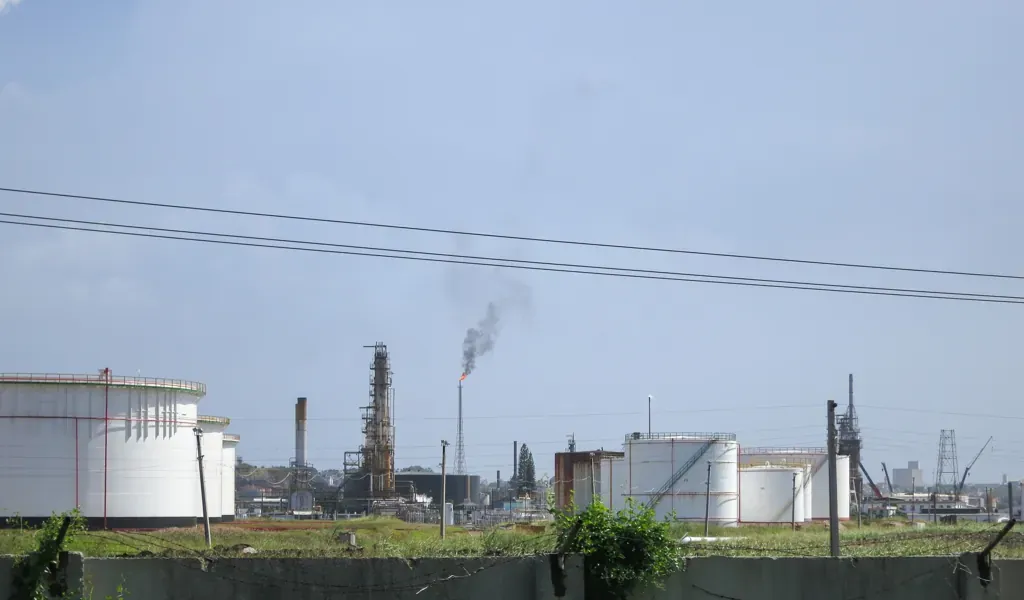
Energy access has emerged as one of the most consequential issues in the dispute.
Cuban officials describe restrictions affecting petroleum supplies as an “oil blockade,” presenting them as a major cause of the island’s worsening fuel shortages. That terminology reflects the Cuban government’s characterization and should not be treated as a neutral description of the U.S. sanctions regime.
U.S. regulations instead establish sanctions and licensing rules governing transactions involving Cuba and petroleum. OFAC guidance includes circumstances under which certain transactions involving Venezuelan-origin oil for Cuba can receive authorization, while other transactions involving Cuban state-linked entities remain restricted.
The competing descriptions underscore a broader disagreement over how much responsibility for Cuba’s deteriorating energy situation should be attributed to U.S. economic pressure versus domestic economic conditions.
Fuel Shortages Drive Prolonged Blackouts
The effects of the energy shortage are most visible in Cuba’s electricity system.
Fuel constraints have limited electricity generation while an aging power system continues to struggle with reliability, contributing to prolonged blackouts. The disruptions affect transportation, food storage, water systems, businesses and schools.
Cuba’s government attributes much of the deterioration to U.S. sanctions and restrictions. Washington disputes that assessment and points instead to longstanding weaknesses in Cuba’s economic management and state-controlled economic model.
The competing explanations remain politically contested, but the shortages and electricity disruptions themselves are central features of the island’s current crisis.
Havana Reports Billions in Economic Damage
Cuba says the U.S. embargo caused $8.1 billion in economic damage during 2025, describing the figure as a 7% increase from the previous year.
That figure is an assessment by the Cuban government and should therefore be attributed to Havana rather than presented as an independently verified measurement.
The reported economic damage comes amid broader shortages involving fuel, electricity and other essential goods. Foreign-exchange constraints have also limited Cuba’s ability to purchase fuel and other imports needed to sustain basic economic activity.
Washington Defends Its Cuba Policy
The United States continues to defend economic pressure as a means of influencing the Cuban government.
Washington has argued that its sanctions are directed at Cuban leadership and state-linked economic structures rather than the population as a whole. Havana rejects that distinction, saying restrictions on energy, finance and imports inevitably affect ordinary Cubans.
The disagreement over the humanitarian and economic consequences of sanctions remains a major obstacle to any broader improvement in bilateral relations.
Earlier Diplomatic Opening Loses Momentum
The absence of active negotiations is significant because Cuba had previously confirmed direct discussions with Washington earlier this year.
Those contacts emerged against the backdrop of the island’s worsening energy crisis and created a potential channel for addressing fuel supplies and wider bilateral tensions.
By June, however, Cuban officials said the discussions had failed to produce progress. Rodríguez’s September 7 statement now indicates that there is no active negotiating framework or agreed agenda.
The progression represents a further narrowing of the diplomatic space between Havana and Washington.
Energy Crisis Creates Wider Humanitarian Pressure
Cuba’s energy shortages extend beyond electricity generation.
Extended outages can disrupt refrigeration, water distribution, medical services, transportation and communications. Businesses and households also face additional pressure in an economy already affected by shortages and limited access to foreign currency.
Cuba’s government portrays the situation as a serious economic and humanitarian crisis driven primarily by external pressure. The United States disputes that interpretation and emphasizes domestic economic policies and governance as significant contributors.
Neither explanation by itself resolves the immediate challenge of maintaining essential services as fuel availability remains constrained.
Diplomatic Options Remain Limited
The breakdown in negotiations leaves both governments with fewer immediate mechanisms for addressing disputes over sanctions, energy supplies and broader bilateral relations.
Havana’s stated willingness to maintain contact means diplomatic communication has not necessarily ended. But without an agreed agenda, there is currently no clear framework for sustained negotiations.
For Cuba, the immediate priority is managing its energy shortage and securing supplies while basic services remain under pressure. For Washington, the central policy question is whether continued economic pressure can produce political concessions without further worsening economic conditions on the island.
Cuba-U.S. Relations Face Renewed Stalemate
Cuba’s acknowledgment that there are currently no active negotiations with Washington marks another setback in a long-running bilateral dispute.
The diplomatic impasse coincides with additional U.S. sanctions and an increasingly severe energy crisis inside Cuba, bringing economic pressure and diplomatic tensions together at a particularly difficult moment.
Havana continues to oppose U.S. economic restrictions, while Washington maintains economic pressure as a central element of its Cuba policy.
For now, the two sides remain without an agreed negotiating agenda, leaving Cuba’s energy crisis to unfold alongside a renewed diplomatic stalemate.
Reporting Credit: Ministry of Foreign Affairs of Cuba (MINREX) — Foreign Minister Bruno Rodríguez’s September 7 statement concerning the absence of active negotiations or an agreed agenda with the United States and Havana’s position on maintaining contact; Government of Cuba — official assessment of the economic damage attributed to the U.S. embargo and Cuban government statements concerning the country’s energy and economic crisis; U.S. Department of the Treasury, Office of Foreign Assets Control (OFAC) — official Cuba sanctions framework, September 2026 Cuba-related designations, licensing rules and guidance governing transactions involving Cuban and Venezuelan-origin oil; U.S. Department of State — official U.S. policy toward Cuba, sanctions rationale and government statements concerning Cuban state-linked economic activity; U.S. Department of Commerce — applicable export-control rules governing petroleum and other U.S.-origin products that may be exported or reexported to Cuba under authorized exceptions.