A fatal shooting inside a Chicago hospital has intensified scrutiny over law enforcement custody procedures after a detained suspect opened fire on two officers, killing one and critically injuring another. According to reporting by the Associated Press, the incident unfolded during what was expected to be a routine medical observation, transforming a controlled environment into a lethal breach.
Authorities confirmed the suspect, who had been in police custody, was later apprehended after fleeing the scene. The officers were escorting the individual at the time of the attack, underscoring how quickly operational control can collapse even under direct supervision.
Custodial Control Fails at Point of Maximum Vulnerability
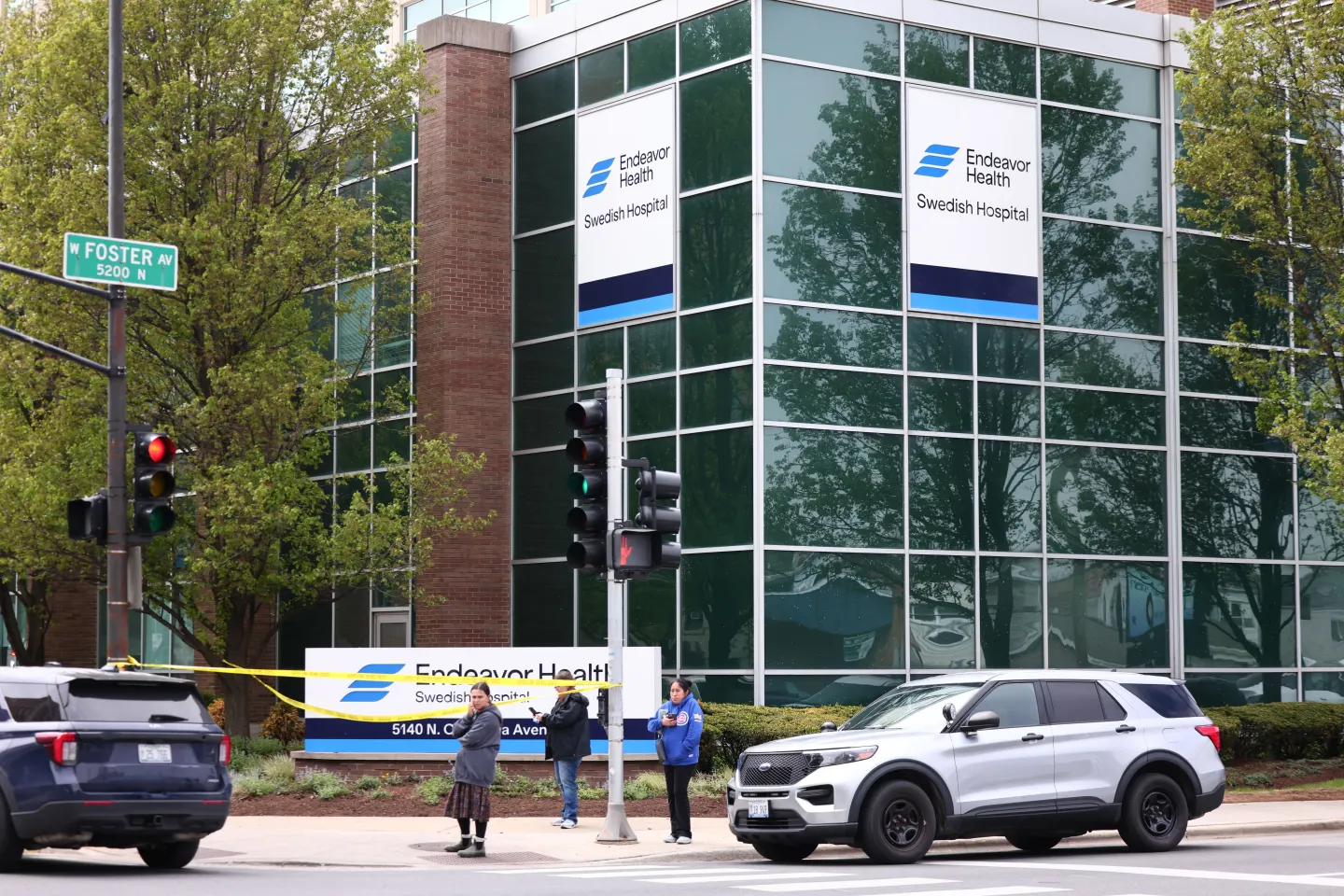
The shooting occurred at Endeavor Health Swedish Hospital, where the suspect had been transported for treatment. Officials said the individual had undergone standard intake procedures, including a security screening, before being continuously escorted by officers.

Despite those safeguards, the suspect managed to produce a firearm and open fire, striking both officers. One officer, a 38-year-old with a decade of service, was pronounced dead, while a second officer with more than two decades on the force remains in critical condition.
The breakdown raises immediate questions about how a weapon was accessed inside a secured medical setting, particularly after screening protocols were reportedly followed.
Rapid Escalation Forces Emergency Lockdown and Manhunt
Gunfire triggered an immediate lockdown of the hospital campus as law enforcement mobilized to contain the situation. Officials confirmed that no patients or hospital staff were injured during the incident, even as armed officers secured the facility and surrounding area.
The suspect fled the hospital shortly after the shooting, prompting a coordinated search before being taken into custody. A firearm was recovered, though authorities have not disclosed how it entered the facility or whether additional security lapses occurred.
The speed at which the situation escalated—from medical transport to active shooter response—has become a central focus for investigators examining procedural gaps.


Urban Security Protocols Face Renewed Pressure
Chicago officials described the incident as a “tragedy,” with Mayor Brandon Johnson acknowledging the strain placed on law enforcement personnel and announcing support services for officers affected by the shooting.
The event highlights a broader operational risk: detainee transfers into civilian environments such as hospitals, where security control is inherently shared and less rigid than in detention facilities. Even with escort protocols in place, such settings introduce unpredictable variables that can compromise officer safety.
Comparisons are likely to emerge with prior hospital-based shootings in the United States, reinforcing concerns that healthcare facilities—designed for accessibility—present unique challenges for armed security management.
Investigation Centers on Weapon Access and Procedural Gaps
Authorities have launched a full investigation into how the suspect obtained the weapon and whether existing safeguards were sufficient. Police leadership has indicated that details remain limited as the inquiry continues.
The outcome may influence future policy on detainee handling, including stricter screening, enhanced restraints, or revised escort protocols during medical transfers. The incident underscores a critical reality for urban policing: even tightly controlled situations can unravel when a single point of failure intersects with access to a weapon.
As the investigation unfolds, the shooting is expected to shape internal reviews across law enforcement agencies, particularly regarding how custody is maintained beyond traditional detention environments.