Canada’s national health agency has confirmed a positive hantavirus case linked to an international cruise ship outbreak that has already resulted in multiple deaths, intensifying global monitoring efforts over the rare but potentially deadly virus.
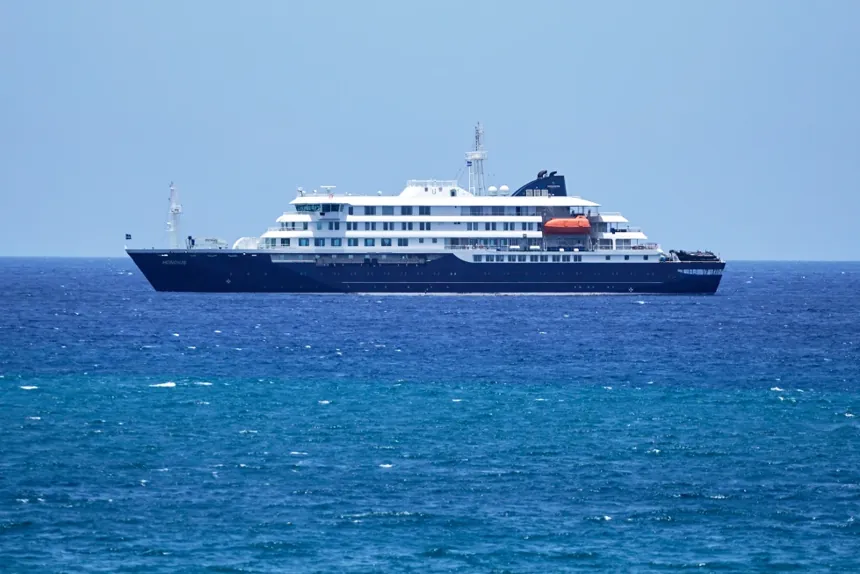
The Public Health Agency of Canada said one of four Canadians who recently returned from the expedition vessel MV Hondius tested positive for the Andes strain of hantavirus after undergoing confirmatory laboratory analysis in Winnipeg. Officials stressed that the overall risk to the broader Canadian public remains low, though health authorities continue to isolate and monitor exposed passengers.
The infected passenger, a person in their 70s from Yukon, is currently hospitalized in Victoria, British Columbia, alongside their partner, who tested negative but remains under observation. The other two Canadian passengers connected to the outbreak are also isolating following their return from the cruise ship earlier this month.

International Health Monitoring Expands
The confirmed Canadian case is now believed to be the 10th infection connected to the outbreak aboard the Dutch-operated expedition cruise ship, which sailed from Argentina on a polar voyage through the Atlantic.
According to international reports, at least three passengers have died since the outbreak began, including a Dutch couple and a German passenger. Health agencies across multiple countries are now tracking former passengers and crew members who traveled through Europe, North America and Africa after disembarking from the vessel.
The World Health Organization previously confirmed that the outbreak involves the Andes virus, a rare hantavirus strain primarily found in South America. Unlike most hantaviruses, the Andes strain has shown limited evidence of person-to-person transmission, prompting heightened international precautions.
Canadian officials said all confirmed infections remain connected to the cruise ship itself, with no indication of broader community transmission inside Canada.
Rare Virus Raises Global Concerns
Hantaviruses are typically spread through contact with infected rodents or exposure to contaminated droppings and urine. Severe infections can develop into hantavirus pulmonary syndrome, a respiratory disease that can become fatal if untreated.
■ Related News


Public health experts noted that the current outbreak has drawn unusual international attention because cruise ships create conditions involving prolonged close contact among passengers from multiple countries. Analysts said authorities are attempting to determine whether exposure occurred before boarding in South America or during the voyage itself.
The U.S. Centers for Disease Control and Prevention has already issued health alerts connected to the outbreak, while passengers returning to several countries have been placed under quarantine or medical observation.
British Columbia Provincial Health Officer Bonnie Henry said the virus does not pose a pandemic-level threat comparable to COVID-19, emphasizing that transmission dynamics are significantly different and that existing isolation protocols remain effective.
Cruise Industry Safety Under Scrutiny
The outbreak has also raised renewed questions about infectious disease preparedness aboard international expedition cruises, particularly those operating in remote regions with limited medical infrastructure.
The MV Hondius outbreak is believed to be the first known hantavirus cluster linked to a cruise ship. Investigators are examining possible environmental exposure sources during excursions in South America before the ship crossed the Atlantic toward Europe.
Canadian health officials said they are continuing to coordinate with the World Health Organization and foreign public health agencies as monitoring efforts continue worldwide. Authorities have not indicated whether additional cases among Canadian passengers are expected.